Snakes and spiders in Comanche County, Oklahoma
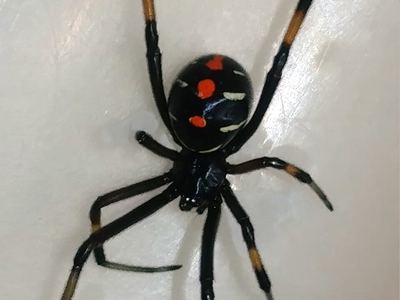
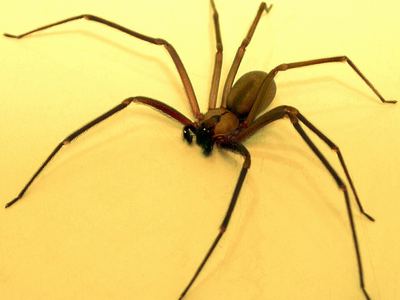
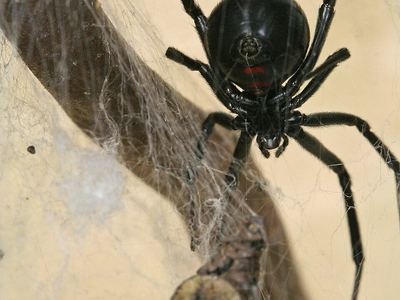
Comanche County, home of Lawton, has 25 snake and 47 spider species on record, from 1,149 licensed snake and 316 spider records. Venomous species here: the western diamondback rattlesnake, the western massasauga, the broad-banded copperhead, the northern cottonmouth, the southern black widow, the brown recluse and the western black widow.
Are there venomous snakes or spiders in Comanche County?
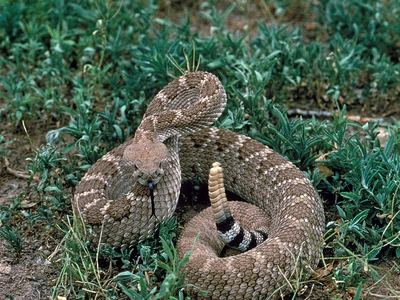
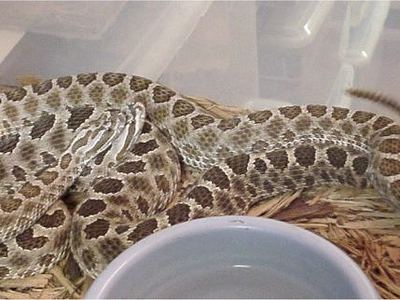
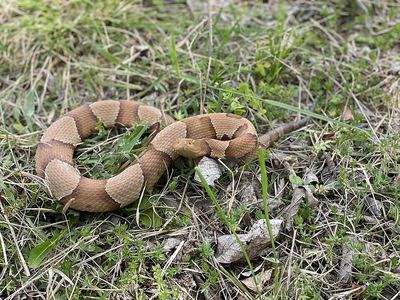
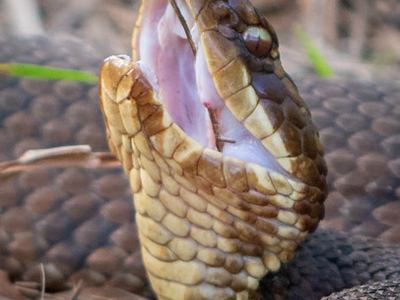
Yes. The western diamondback rattlesnake: 294 licensed records, 71% of all Oklahoma records of it. The western massasauga: 33 licensed records, 31% of all Oklahoma records of it. The broad-banded copperhead: 20 licensed records, 11% of all Oklahoma records of it. The northern cottonmouth: 6 licensed records, 1% of all Oklahoma records of it. The southern black widow: 4 licensed records, 7% of all Oklahoma records of it. The brown recluse: 1 licensed record, 1% of all Oklahoma records of it. The western black widow: 1 licensed record, 8% of all Oklahoma records of it.
What snakes are in Comanche County?
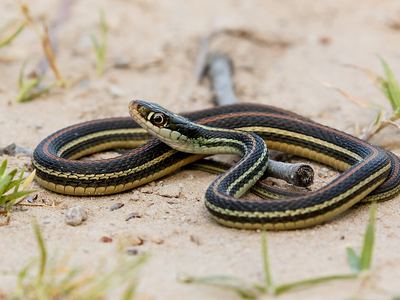
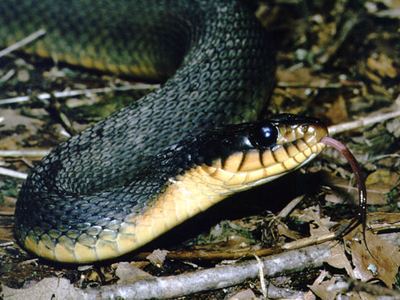
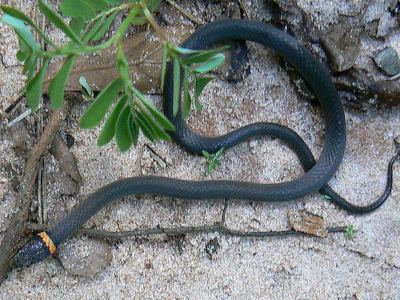
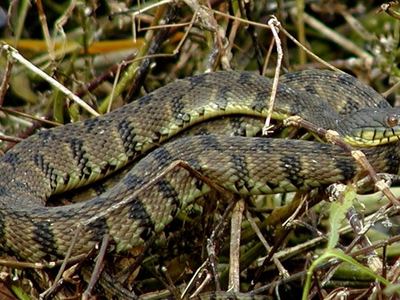
In all, 25 snake species are on the Comanche County list. The most recorded are the western diamondback rattlesnake (294), the western ribbon snake (110) and the plain-bellied watersnake (89). Comanche County holds more than half of all Oklahoma records of the western diamondback rattlesnake.
| # | Species | Records | Share of Oklahoma records |
|---|---|---|---|
| 1 | Western diamondback rattlesnake venomous Crotalus atrox | 294 | 71% |
| 2 | Western ribbon snake Thamnophis proximus | 110 | 19% |
| 3 | Plain-bellied watersnake Nerodia erythrogaster | 89 | 12% |
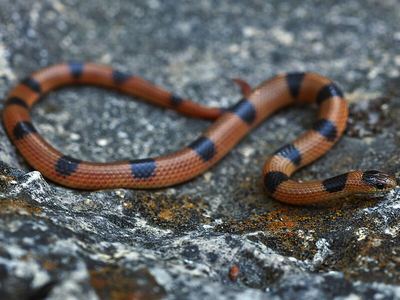
| 4 | Western ground snake Sonora semiannulata | 89 | 7% |
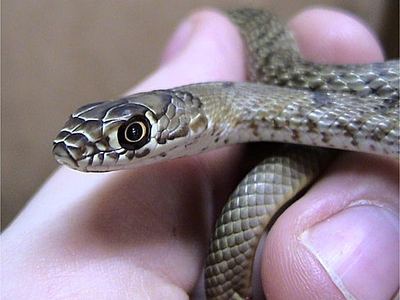
| 5 | Coachwhip Masticophis flagellum | 77 | 14% |
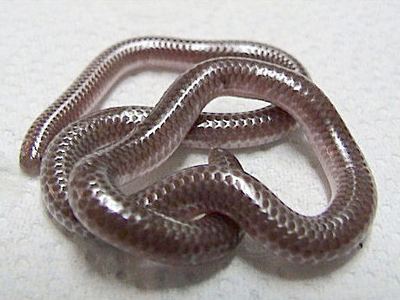
| 6 | Texas blind snake Rena dulcis | 75 | 30% |
| 7 | Ring-necked snake Diadophis punctatus | 65 | 7% |
| 8 | Diamondback water snake Nerodia rhombifer | 33 | 7% |
| 9 | Western massasauga venomous Sistrurus tergeminus | 33 | 31% |
| 10 | Eastern racer Coluber constrictor | 32 | 6% |
| 11 | Flathead snake Tantilla gracilis | 31 | 2% |
| 12 | Western rat snake Pantherophis obsoletus | 24 | 5% |
| 13 | Rough greensnake Opheodrys aestivus | 23 | 7% |
| 14 | Broad-banded copperhead venomous Agkistrodon laticinctus | 20 | 11% |
| 15 | Gopher snake Pituophis catenifer | 20 | 7% |
| 16 | Chihuahuan night snake Hypsiglena jani | 16 | 19% |
| 17 | Speckled kingsnake Lampropeltis holbrooki | 16 | 6% |
| 18 | DeKay's brown snake Storeria dekayi | 15 | 4% |
| 19 | Eastern hog-nosed snake Heterodon platirhinos | 15 | 7% |
| 20 | Graham's crayfish snake Regina grahamii | 10 | 8% |
| 21 | Great Plains rat snake Pantherophis emoryi | 9 | 11% |
| 22 | Prairie kingsnake Lampropeltis calligaster | 9 | 4% |
| 23 | Northern cottonmouth venomous Agkistrodon piscivorus | 6 | 1% |
| 24 | Lined snake Tropidoclonion lineatum | 3 | 1% |
| 25 | Great Plains ground snake Sonora episcopa | — | — |
When are snakes out in Comanche County?
Observation records of snakes in Comanche County run mostly March through September, peaking in June with 22% of them; across Oklahoma the peak is May.
What spiders are in Comanche County?
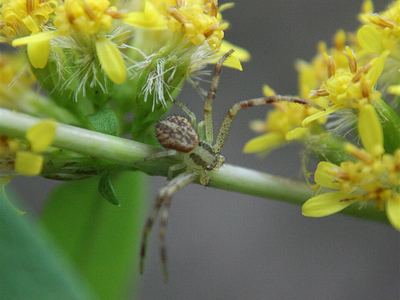
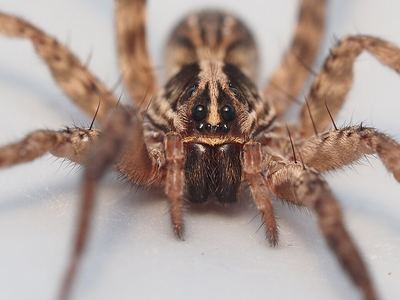
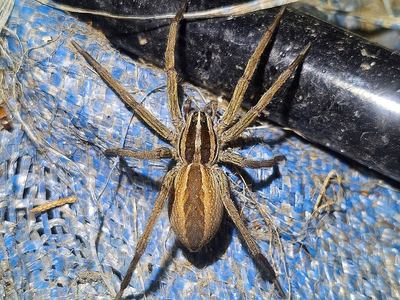
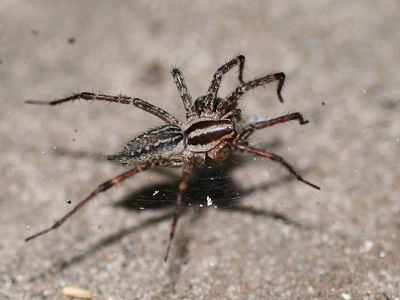
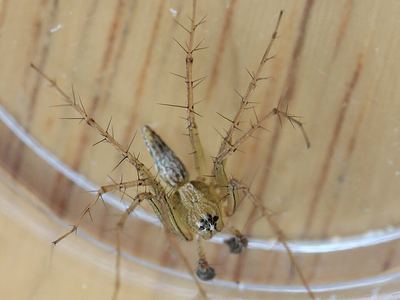
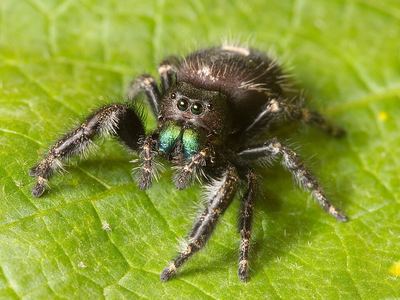
In all, 47 spider species are on the Comanche County list. The most recorded are the celer crab spider (24), the lance wolf spider (21) and the rabid wolf spider (17). Comanche County holds more than half of all Oklahoma records of the lance wolf spider, the dark-legged grass spider, Tibellus duttoni and Philodromus pratariae.
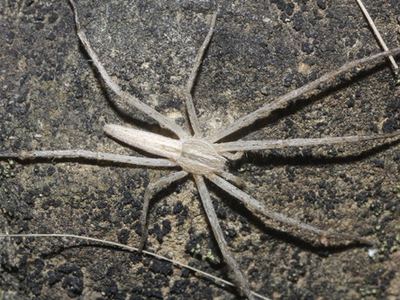
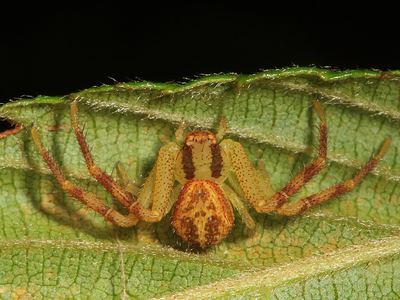
| # | Species | Records | Share of Oklahoma records |
|---|---|---|---|
| 1 | Celer crab spider Mecaphesa celer | 24 | 36% |
| 2 | Lance wolf spider Schizocosa avida | 21 | 60% |
| 3 | Rabid wolf spider Rabidosa rabida | 17 | 10% |
| 4 | Dark-legged grass spider Agelenopsis naevia | 15 | 62% |
| 5 | Striped lynx spider Oxyopes salticus | 15 | 15% |
| 6 | Bold jumper Phidippus audax | 10 | 2% |
| 7 | Tibellus duttoni | 10 | 59% |
| 8 | Flower crab spider Mecaphesa asperata | 9 | 32% |
| 9 | Phidippus texanus | 9 | 31% |
| 10 | Filmy dome spider Neriene radiata | 8 | 35% |
| 11 | Texas brown tarantula Aphonopelma hentzi | 7 | 9% |
| 12 | Bowl and doily spider Frontinella pyramitela | 6 | 32% |
| 13 | Brush-legged split wolf spider Schizocosa ocreata | 6 | 30% |
| 14 | Black-and-yellow argiope Argiope aurantia | 4 | 2% |
| 15 | Philodromus pratariae | 4 | 80% |
| 16 | Southern black widow venomous Latrodectus mactans | 4 | 7% |
| 17 | Elongate stilt spider Tetragnatha elongata | 3 | 60% |
| 18 | Pardosa mercurialis | 3 | 4% |
| 19 | Peppered jumper Pelegrina galathea | 3 | 7% |
| 20 | Pike slender jumper Marpissa pikei | 3 | 23% |
| 21 | Psilochorus pullulus | 3 | 100% |
| 22 | Salticus austinensis | 3 | 15% |
| 23 | Sassacus papenhoei | 3 | 30% |
| 24 | Banded garden spider Argiope trifasciata | 2 | 5% |
| 25 | Brilliant jumping spider Phidippus clarus | 2 | 4% |
| 26 | Colonus puerperus | 2 | 8% |
| 27 | Common Hentz jumping spider Hentzia palmarum | 2 | 5% |
| 28 | Long-jawed orb weaver Tetragnatha laboriosa | 2 | 4% |
| 29 | Spined micrathena Micrathena gracilis | 2 | 6% |
| 30 | Arabesque orbweaver Neoscona arabesca | 1 | 6% |
| 31 | Brown recluse venomous Loxosceles reclusa | 1 | 1% |
| 32 | Cardinal jumper Phidippus cardinalis | 1 | 3% |
| 33 | Dictyna bellans | 1 | 5% |
| 34 | Dictyna volucripes | 1 | 9% |
| 35 | Familiar jumping spider Platycryptus undatus | 1 | 0% |
| 36 | Furrow orbweaver Larinioides cornutus | 1 | 2% |
| 37 | Shoreline wolf spider Arctosa littoralis | 1 | 1% |
| 38 | Spotted orbweaver Neoscona crucifera | 1 | 1% |
| 39 | Tetragnatha pallescens | 1 | 33% |
| 40 | Western black widow venomous Latrodectus hesperus | 1 | 8% |
| 41 | Western spotted orbweaver Neoscona oaxacensis | 1 | 6% |
| 42 | Buttonhook leafbeetle jumping spider Sassacus vitis | — | — |
| 43 | Carolina jumping spider Phidippus carolinensis | — | — |
| 44 | Eustala emertoni | — | — |
| 45 | High eye-lashed jumping spider Phidippus mystaceus | — | — |
| 46 | Metaphidippus chera | — | — |
| 47 | Short-bellied slender jumping spider Marpissa formosa | — | — |
When are spiders out in Comanche County?
Observation records of spiders in Comanche County run mostly May through November, peaking in June with 38% of them; across Oklahoma the peak is September.
What stands out in Comanche County
Species for which Comanche County holds a large share of all Oklahoma records: the western diamondback rattlesnake, 71% (294 of 417); the dark-legged grass spider, 62% (15 of 24); the lance wolf spider, 60% (21 of 35); the celer crab spider, 36% (24 of 66); the western massasauga, 31% (33 of 105); the Texas blind snake, 30% (75 of 248); the Chihuahuan night snake, 19% (16 of 83); the western ribbon snake, 19% (110 of 589).
Common in Oklahoma, not on the Comanche County list
Among the spiders most recorded across Oklahoma, these do not reach the county list: the dimorphic jumper (150 statewide), the flea jumping spider (144 statewide), the green lynx spider (93 statewide) and the bronze jumper (75 statewide). Few records here can mean the species is rare in the county, or that few people have looked.
Harmless lookalikes in Comanche County
Copperheads are on the county list, and so are harmless species often taken for them: the plain-bellied watersnake and the eastern hog-nosed snake. Cottonmouths are on the county list, and so are harmless species often taken for them: the plain-bellied watersnake and the diamondback water snake. Rattlesnakes are on the county list, and so are harmless species often taken for them: the gopher snake, the eastern hog-nosed snake and the Great Plains rat snake. Recluse spiders are on the county list, and so are harmless species often taken for them: the dark-legged grass spider.
Comanche County among Oklahoma counties
By licensed snake records Comanche County ranks 2nd of 77 Oklahoma counties with any.
Other Oklahoma counties with their own page: Tulsa County, LeFlore County, Cleveland County, McCurtain County, Okmulgee County, Marshall County, Rogers County and Atoka County.
The whole state: venomous species in Oklahoma, all snakes, all spiders.
GBIF records read 2026-09-29. Listed: any license. Counted: CC0/CC BY only. How we count.