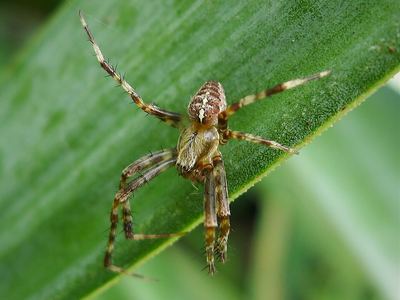
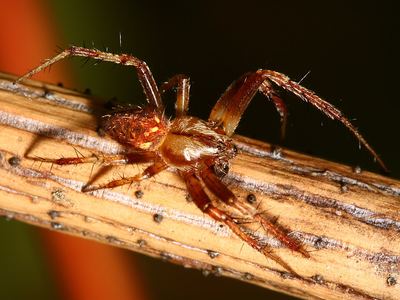
Furrow orbweaver (Larinioides cornutus)
The furrow orbweaver is a spider in the family Araneidae that is not dangerous to people. GBIF holds 1,465 licensed U.S. records of it; it reaches our listing threshold in 39 states, most of all Ohio (170), Texas (122) and Pennsylvania (108). Its observation records peak in September.
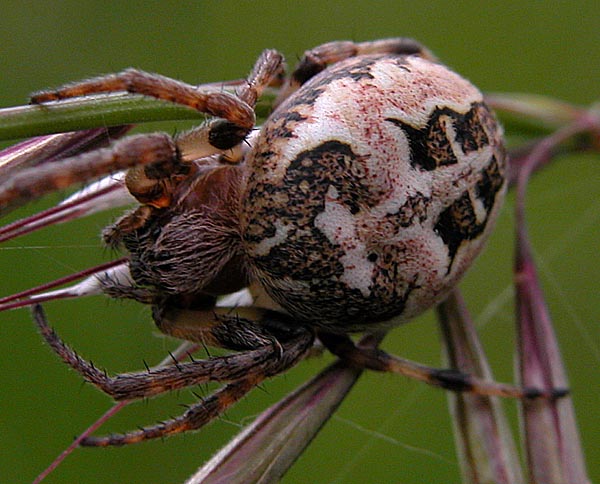

Larinioides cornutus, the furrow spider, furrow orb spider, or foliate spider is an orb-weaver spider with Holarctic distribution. Orb weaver bites are not especially dangerous for humans, though symptoms include mild pain, numbness, and swelling. Rarely, nausea and dizziness may occur.
From Wikipedia: Larinioides cornutus, text under CC BY-SA 4.0.
Is the furrow orbweaver poisonous or venomous?
Not in any medically significant way. Like almost all spiders the furrow orbweaver (family Araneidae) has venom for its prey, but it is not a widow or recluse, the two U.S. groups whose bites need medical attention.
Which states have the furrow orbweaver?
Records are spread over 39 states; the top three, Ohio, Texas and Pennsylvania, hold 27% of them.
| # | State | Records | Share of state spiders | Rank in state |
|---|---|---|---|---|
| 1 | Ohio | 170 | 2.4% | 9th of 332 |
| 2 | Texas | 122 | 0.4% | 50th of 386 |
| 3 | Pennsylvania | 108 | 1.5% | 11th of 164 |
| 4 | Virginia | 96 | 0.8% | 31st of 176 |
| 5 | New York | 93 | 1.5% | 16th of 149 |
| 6 | Illinois | 70 | 0.4% | 45th of 243 |
| 7 | Maryland | 57 | 1.0% | 26th of 153 |
| 8 | Tennessee | 57 | 1.5% | 15th of 138 |
| 9 | Delaware | 56 | 2.7% | 10th of 71 |
| 10 | Indiana | 54 | 1.2% | 13th of 133 |
| 11 | Michigan | 50 | 2.1% | 10th of 122 |
| 12 | North Carolina | 50 | 0.6% | 39th of 184 |
| 13 | Wisconsin | 43 | 1.4% | 12th of 149 |
| 14 | Alabama | 42 | 1.2% | 17th of 143 |
| 15 | Oklahoma | 40 | 0.8% | 28th of 149 |
| 16 | Missouri | 32 | 1.4% | 16th of 117 |
| 17 | Kentucky | 31 | 1.7% | 14th of 103 |
| 18 | West Virginia | 31 | 4.1% | 4th of 90 |
| 19 | Kansas | 27 | 1.6% | 11th of 94 |
| 20 | Arkansas | 26 | 1.6% | 18th of 114 |
| 21 | Georgia | 25 | 0.4% | 57th of 186 |
| 22 | New Hampshire | 22 | 1.6% | 19th of 72 |
| 23 | Alaska | 18 | 0.1% | 203rd of 280 |
| 24 | Iowa | 18 | 2.6% | 8th of 57 |
| 25 | New Jersey | 18 | 0.8% | 33rd of 127 |
| 26 | Connecticut | 17 | 1.7% | 16th of 86 |
| 27 | Florida | 14 | 0.1% | 117th of 237 |
| 28 | Massachusetts | 14 | 0.3% | 60th of 189 |
| 29 | Maine | 13 | 1.4% | 20th of 297 |
| 30 | Vermont | 12 | 0.8% | 30th of 74 |
| 31 | Minnesota | 11 | 0.4% | 55th of 145 |
| 32 | Nebraska | 9 | 0.7% | 31st of 71 |
| 33 | California | 6 | 0.0% | 256th of 309 |
| 34 | Mississippi | 4 | 0.3% | 62nd of 117 |
| 35 | South Carolina | 3 | 0.1% | 82nd of 121 |
| 36 | Colorado | 1 | 0.0% | 149th of 378 |
| 37 | New Mexico | 1 | 0.0% | 143rd of 247 |
| 38 | Rhode Island | 1 | 0.6% | 29th of 53 |
| 39 | Louisiana | 0 | — | — |
When is the furrow orbweaver seen?
Across the U.S., observation records of the furrow orbweaver run mostly March through October, peaking in September with 17% of them. Winter (December to February) holds 4% of them.
Season by state
Among states whose main season falls within one calendar year, it starts earliest in February (Alabama, Indiana, Kentucky, North Carolina and Texas) and latest in June (Wisconsin). The most common peak month is September, shared by Michigan, Ohio, Tennessee, Virginia and Wisconsin.
| State | Main season | Peak month | Observation records |
|---|---|---|---|
| Ohio | April through October | September | 169 |
| Texas | February through October | March | 105 |
| Pennsylvania | March through October | August | 104 |
| Virginia | March through October | September | 96 |
| New York | April through September | August | 91 |
| Illinois | March through September | April | 59 |
| Maryland | March through October | August | 57 |
| Delaware | March through October | April | 56 |
| Tennessee | March through November | September | 56 |
| North Carolina | February through September | July | 48 |
| Indiana | February through September | July | 47 |
| Alabama | February through October | May | 42 |
| Wisconsin | June through October | September | 40 |
| Michigan | April through October | September | 32 |
| Kentucky | February through October | August | 31 |
| Oklahoma | March through November | April | 31 |
| West Virginia | April through September | May | 31 |
Where the furrow orbweaver is recorded in each state
Ohio
Ohio holds 170 licensed records, the 9th most recorded of 332 spiders listed there. Its observation records in Ohio run mostly April through October, peaking in September; most licensed records come from Morrow County, Butler County and Erie County. Next come Richland County (15) and Lake County (11).
Texas
Texas holds 122 licensed records, the 50th most recorded of 386 spiders listed there. Its observation records in Texas run mostly February through October, peaking in March; most licensed records come from Tarrant County, Galveston County and Dallas County. Next come Williamson County (7) and Collin County (7).
Pennsylvania
Pennsylvania holds 108 licensed records, the joint 11th most recorded of 164 spiders listed there. Its observation records in Pennsylvania run mostly March through October, peaking in August; most licensed records come from Bucks County, Bedford County and Westmoreland County. Next come Montgomery County (8) and Blair County (7).
Virginia
Virginia holds 96 licensed records, the 31st most recorded of 176 spiders listed there. Its observation records in Virginia run mostly March through October, peaking in September; most licensed records come from Highland County, Fairfax County and Grayson County. Next come Loudoun County (8) and Bedford County (7).
New York
New York holds 93 licensed records, the 16th most recorded of 149 spiders listed there. Its observation records in New York run mostly April through September, peaking in August; most licensed records come from Tompkins County, Putnam County and Erie County. Next come Westchester County (8) and Dutchess County (6).
Illinois
Illinois holds 70 licensed records, the 45th most recorded of 243 spiders listed there. Its observation records in Illinois run mostly March through September, peaking in April; most licensed records come from Champaign County, Cook County and Randolph County. Next come Jo Daviess County (4) and Jasper County (3).
Maryland
Maryland holds 57 licensed records, the 26th most recorded of 153 spiders listed there. Its observation records in Maryland run mostly March through October, peaking in August; most licensed records come from Frederick County, Garrett County and Montgomery County. Next come Prince George's County (4) and Harford County (3).
Tennessee
Tennessee holds 57 licensed records, the 15th most recorded of 138 spiders listed there. Its observation records in Tennessee run mostly March through November, peaking in September; most licensed records come from Hamilton County, Bradley County and Sevier County. Next come Knox County (4) and Polk County (4).
Delaware
Delaware holds 56 licensed records, the 10th most recorded of 71 spiders listed there. Its observation records in Delaware run mostly March through October, peaking in April; most licensed records come from Sussex County and Kent County.
Indiana
Indiana holds 54 licensed records, the 13th most recorded of 133 spiders listed there. Its observation records in Indiana run mostly February through September, peaking in July; most licensed records come from Ripley County, Franklin County and Dearborn County. Next come Lake County (5) and Tippecanoe County (5).
Michigan
Michigan holds 50 licensed records, the 10th most recorded of 122 spiders listed there. Its observation records in Michigan run mostly April through October, peaking in September; most licensed records come from Monroe County, Washtenaw County and Berrien County. Next come Kalamazoo County (3) and Schoolcraft County (2).
North Carolina
North Carolina holds 50 licensed records, the joint 39th most recorded of 184 spiders listed there. Its observation records in North Carolina run mostly February through September, peaking in July; most licensed records come from Orange County, Jackson County and Transylvania County. Next come Wake County (5) and Davidson County (3).
Wisconsin
Wisconsin holds 43 licensed records, the 12th most recorded of 149 spiders listed there. Its observation records in Wisconsin run mostly June through October, peaking in September; most licensed records come from Dane County, Grant County and Kenosha County. Next come Milwaukee County (2) and Waukesha County (2).
Alabama
Alabama holds 42 licensed records, the joint 17th most recorded of 143 spiders listed there. Its observation records in Alabama run mostly February through October, peaking in May; most licensed records come from Jefferson County, DeKalb County and Shelby County. Next come Blount County (3) and Tuscaloosa County (3).
Oklahoma
Oklahoma holds 40 licensed records, the joint 28th most recorded of 149 spiders listed there. Its observation records in Oklahoma run mostly March through November, peaking in April; most licensed records come from Cleveland County, Osage County and McIntosh County. Next come Woodward County (5) and Marshall County (3).
Missouri
Missouri holds 32 licensed records, the 16th most recorded of 117 spiders listed there. Most of its licensed records in Missouri come from Taney County, Cedar County and Dent County. Next come St. Louis County (5) and Marion County (3).
Kentucky
Kentucky holds 31 licensed records, the joint 14th most recorded of 103 spiders listed there. Its observation records in Kentucky run mostly February through October, peaking in August; most licensed records come from Madison County, Rowan County and Jefferson County. Next come Pike County (3) and Perry County (2).
West Virginia
West Virginia holds 31 licensed records, the 4th most recorded of 90 spiders listed there. Its observation records in West Virginia run mostly April through September, peaking in May; most licensed records come from Monongalia County, Hardy County and Fayette County. Next come Gilmer County (2) and Berkeley County (2).
Top counties in the U.S.
| # | County | State | Records | Share of U.S. |
|---|---|---|---|---|
| 1 | Sussex County | Delaware | 49 | 3.3% |
| 2 | Champaign County | Illinois | 28 | 1.9% |
| 3 | Morrow County | Ohio | 26 | 1.8% |
| 4 | Bucks County | Pennsylvania | 23 | 1.6% |
| 5 | Dane County | Wisconsin | 18 | 1.2% |
| 6 | Monroe County | Michigan | 16 | 1.1% |
| 7 | Butler County | Ohio | 16 | 1.1% |
| 8 | Tarrant County | Texas | 16 | 1.1% |
| 9 | Jefferson County | Alabama | 15 | 1.0% |
| 10 | Frederick County | Maryland | 15 | 1.0% |
| 11 | Tompkins County | New York | 15 | 1.0% |
| 12 | Erie County | Ohio | 15 | 1.0% |
| 13 | Richland County | Ohio | 15 | 1.0% |
| 14 | Monongalia County | West Virginia | 13 | 0.9% |
| 15 | Garrett County | Maryland | 12 | 0.8% |
How recent are the furrow orbweaver records?
Most of what is known about the furrow orbweaver is recent: 87% of dated U.S. records were made in 2017–2026, and half date from 2022 or later. The oldest dated record is from 1930; the busiest year was 2024, with 234 records.
| Decade | Records | Share |
|---|---|---|
| 1930s | 2 | 0.1% |
| 1940s | 2 | 0.1% |
| 1960s | 7 | 0.5% |
| 1970s | 3 | 0.2% |
| 1980s | 17 | 1.1% |
| 1990s | 7 | 0.5% |
| 2000s | 19 | 1.3% |
| 2010s | 256 | 17.2% |
| 2020s | 1,176 | 79.0% |
Species recorded in the same counties
Of the 247 counties where the furrow orbweaver is most recorded, 128 are also top counties for the bold jumper, more than for any other spider. None of its closest neighbors is venomous.
| Species | Shared counties |
|---|---|
| Bold jumper | 128 |
| Familiar jumping spider | 124 |
| Nursery web spider | 120 |
| Black-and-yellow argiope | 115 |
| Orchard orbweaver | 111 |
| Dark fishing spider | 102 |
| Spotted orbweaver | 102 |
| Spined micrathena | 97 |
Related species in the U.S.
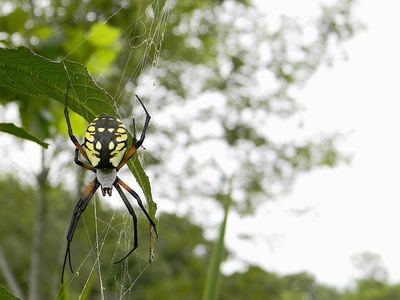
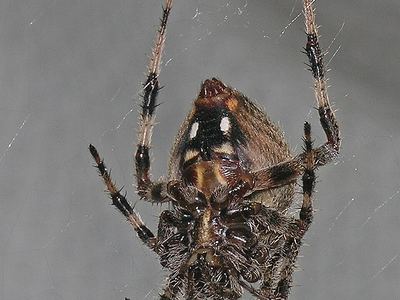
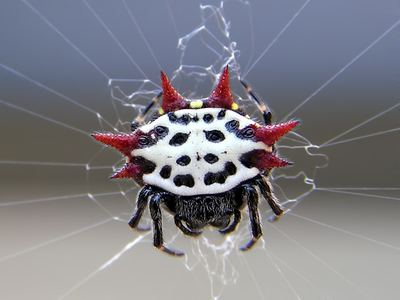
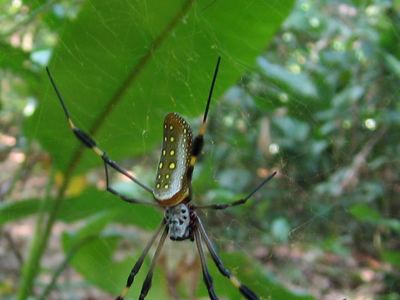
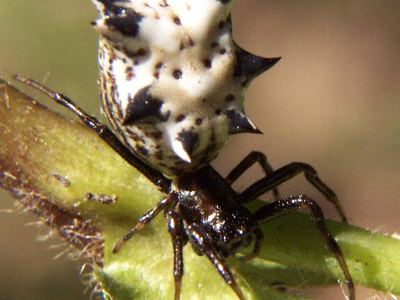
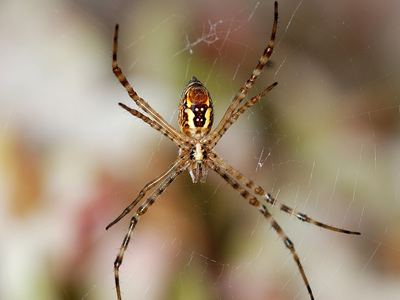
Other members of the family Araneidae with profiles here: Black-and-yellow argiope, Spotted orbweaver, Spiny-backed orbweaver, Garden spider, American golden orb weaver and Spined micrathena.
GBIF records read 2026-09-29. Listed: any license. Counted: CC0/CC BY only. How we count.