Snakes and spiders in Charleston County, South Carolina
Charleston County, home of Charleston, has 26 snake and 36 spider species on record, from 677 licensed snake and 373 spider records. Venomous species here: the northern cottonmouth, the eastern copperhead, the timber rattlesnake, the eastern coral snake, the pygmy rattlesnake, the brown widow and the southern black widow.
Are there venomous snakes or spiders in Charleston County?
Yes. The northern cottonmouth: 46 licensed records, 25% of all South Carolina records of it. The eastern copperhead: 29 licensed records, 16% of all South Carolina records of it. The timber rattlesnake: 15 licensed records, 23% of all South Carolina records of it. The eastern coral snake: 10 licensed records, 38% of all South Carolina records of it. The pygmy rattlesnake: 10 licensed records, 50% of all South Carolina records of it. The brown widow: 3 licensed records, 21% of all South Carolina records of it. The southern black widow: 2 licensed records, 8% of all South Carolina records of it.
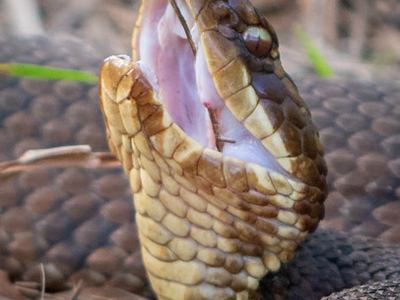
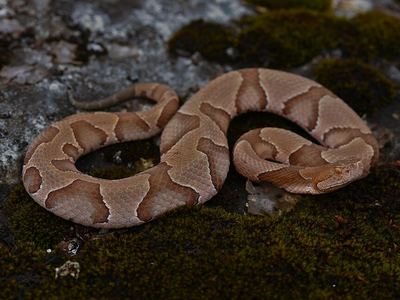
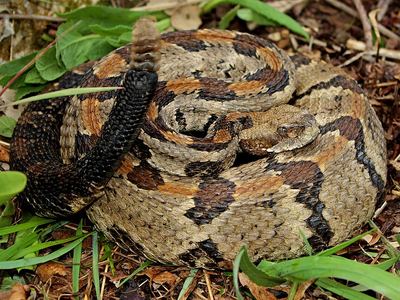
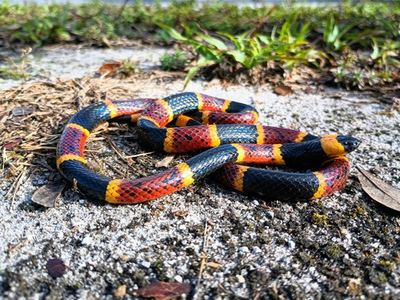
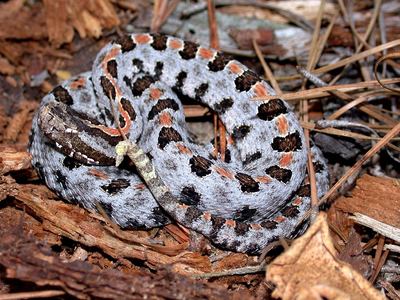
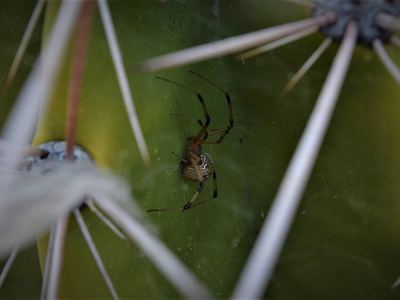
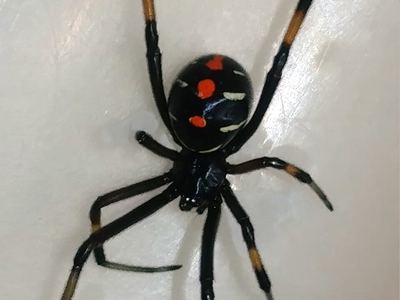
What snakes are in Charleston County?
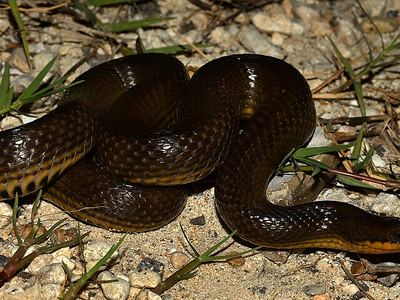
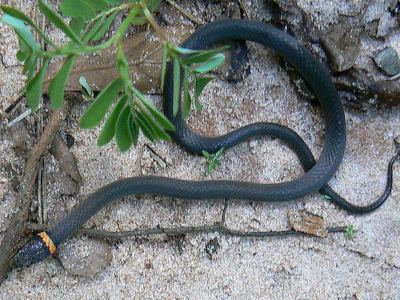
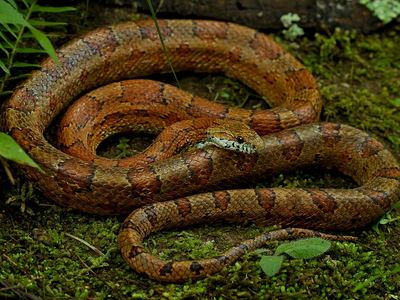
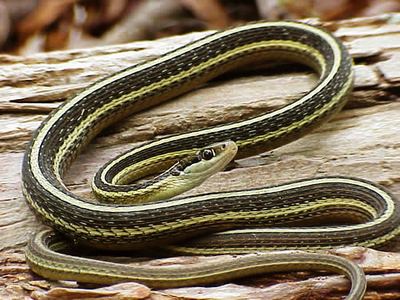
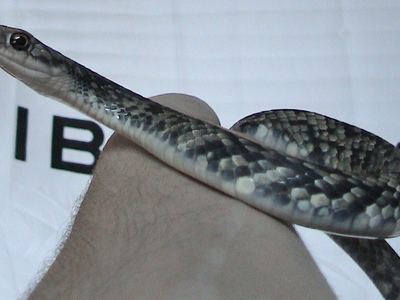
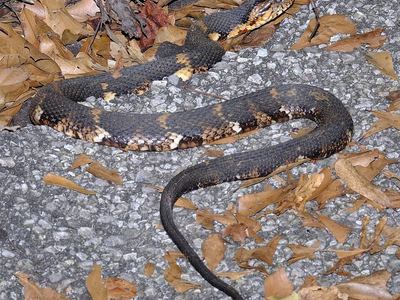
In all, 26 snake species are on the Charleston County list. The most recorded are the crayfish snake (115), the northern cottonmouth (46) and the ring-necked snake (44). Charleston County holds more than half of all South Carolina records of the crayfish snake and the pygmy rattlesnake.
| # | Species | Records | Share of South Carolina records |
|---|---|---|---|
| 1 | Crayfish snake Liodytes rigida | 115 | 90% |
| 2 | Northern cottonmouth venomous Agkistrodon piscivorus | 46 | 25% |
| 3 | Ring-necked snake Diadophis punctatus | 44 | 25% |
| 4 | Corn snake Pantherophis guttatus | 42 | 31% |
| 5 | Eastern ribbonsnake Thamnophis saurita | 34 | 37% |
| 6 | Eastern racer Coluber constrictor | 30 | 14% |
| 7 | Eastern copperhead venomous Agkistrodon contortrix | 29 | 16% |
| 8 | Southern watersnake Nerodia fasciata | 28 | 12% |
| 9 | Common garter snake Thamnophis sirtalis | 27 | 21% |
| 10 | Rough greensnake Opheodrys aestivus | 25 | 19% |
| 11 | Eastern kingsnake Lampropeltis getula | 16 | 14% |
| 12 | Red-bellied snake Storeria occipitomaculata | 16 | 16% |
| 13 | Southeastern crown snake Tantilla coronata | 16 | 33% |
| 14 | Eastern hog-nosed snake Heterodon platirhinos | 15 | 17% |
| 15 | Mud snake Farancia abacura | 15 | 14% |
| 16 | Scarlet kingsnake Lampropeltis elapsoides | 15 | 36% |
| 17 | Timber rattlesnake venomous Crotalus horridus | 15 | 23% |
| 18 | Eastern rat snake Pantherophis alleghaniensis | 14 | 9% |
| 19 | Black swamp snake Liodytes pygaea | 12 | 17% |
| 20 | Eastern coral snake venomous Micrurus fulvius | 10 | 38% |
| 21 | Pygmy rattlesnake venomous Sistrurus miliarius | 10 | 50% |
| 22 | Rainbow snake Farancia erytrogramma | 10 | 12% |
| 23 | Scarlet snake Cemophora coccinea | 10 | 12% |
| 24 | Plain-bellied watersnake Nerodia erythrogaster | 9 | 8% |
| 25 | Southern hognose snake Heterodon simus | 9 | 47% |
| 26 | Rough earthsnake Haldea striatula | 7 | 11% |
When are snakes out in Charleston County?
Observation records of snakes in Charleston County run mostly March through November, peaking in April with 21% of them, the same peak as South Carolina as a whole.
What spiders are in Charleston County?
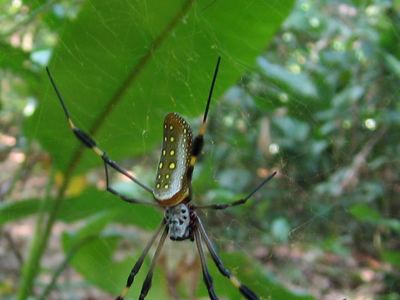
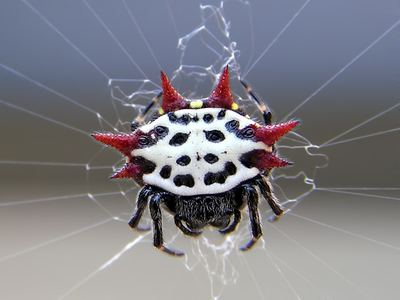
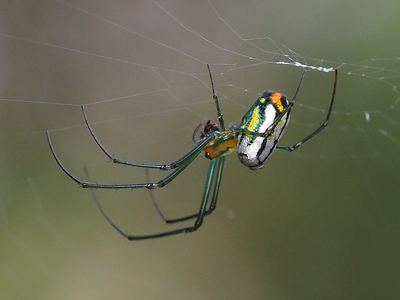
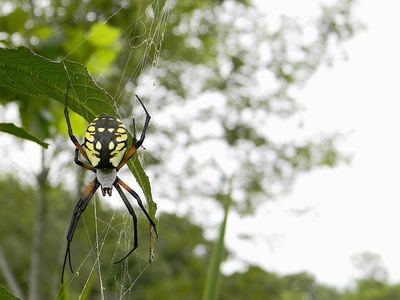
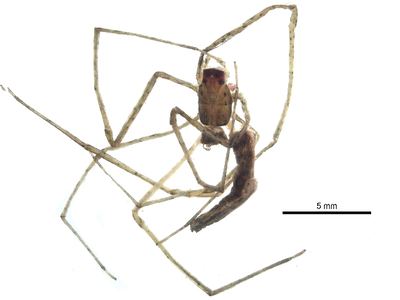
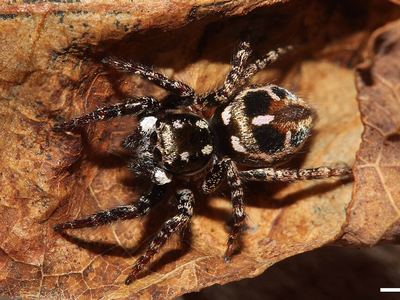
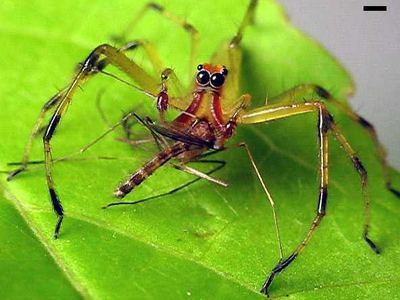
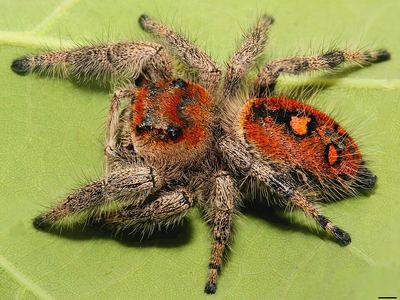
In all, 36 spider species are on the Charleston County list. The most recorded are the American golden orb weaver (46), the spiny-backed orbweaver (30) and Leucauge argyrobapta (26). Charleston County holds more than half of all South Carolina records of the ogre-faced spider, the regal jumper, the giant lichen orbweaver and the humpbacked orbweaver.
| # | Species | Records | Share of South Carolina records |
|---|---|---|---|
| 1 | American golden orb weaver Trichonephila clavipes | 46 | 25% |
| 2 | Spiny-backed orbweaver Gasteracantha cancriformis | 30 | 34% |
| 3 | Leucauge argyrobapta | 26 | 49% |
| 4 | Black-and-yellow argiope Argiope aurantia | 19 | 15% |
| 5 | Ogre-faced spider Deinopis spinosa | 18 | 100% |
| 6 | Twin-flagged jumping spider Anasaitis canosa | 12 | 12% |
| 7 | Magnolia green jumper Lyssomanes viridis | 9 | 11% |
| 8 | Regal jumper Phidippus regius | 9 | 75% |
| 9 | Arrowhead orbweaver Verrucosa arenata | 8 | 20% |
| 10 | Giant lichen orbweaver Araneus bicentenarius | 8 | 67% |
| 11 | Humpbacked orbweaver Eustala anastera | 7 | 88% |
| 12 | White-banded fishing spider Dolomedes albineus | 7 | 16% |
| 13 | Georgia wolf spider Tigrosa georgicola | 6 | 17% |
| 14 | Sylvan jumping spider Colonus sylvanus | 6 | 40% |
| 15 | Green lynx spider Peucetia viridans | 4 | 6% |
| 16 | Whitman's jumping spider Phidippus whitmani | 4 | 29% |
| 17 | Arrowshaped micrathena Micrathena sagittata | 3 | 27% |
| 18 | Brown widow venomous introduced Latrodectus geometricus | 3 | 21% |
| 19 | Red-femured spotted orbweaver Neoscona domiciliorum | 3 | 6% |
| 20 | Sixspotted fishing spider Dolomedes triton | 3 | 10% |
| 21 | Southern house spider Kukulcania hibernalis | 3 | 13% |
| 22 | Spined micrathena Micrathena gracilis | 3 | 10% |
| 23 | Dark fishing spider Dolomedes tenebrosus | 2 | 6% |
| 24 | Nursery web spider Pisaurina mira | 2 | 6% |
| 25 | Southern black widow venomous Latrodectus mactans | 2 | 8% |
| 26 | Tigrosa annexa | 2 | 7% |
| 27 | Arabesque orbweaver Neoscona arabesca | 1 | 5% |
| 28 | Basilica orbweaver Mecynogea lemniscata | 1 | 7% |
| 29 | Bold jumper Phidippus audax | 1 | 8% |
| 30 | Familiar jumping spider Platycryptus undatus | 1 | 3% |
| 31 | Pantropical jumper Plexippus paykulli | 1 | 33% |
| 32 | Rabid wolf spider Rabidosa rabida | 1 | 3% |
| 33 | Spotted orbweaver Neoscona crucifera | 1 | 2% |
| 34 | Yellow ghost spider Hibana velox | 1 | 50% |
| 35 | Common Hentz jumping spider Hentzia palmarum | — | — |
| 36 | Gray wall jumper Menemerus bivittatus | — | — |
When are spiders out in Charleston County?
Observation records of spiders in Charleston County run mostly March through November, peaking in June with 24% of them; across South Carolina the peak is July.
What stands out in Charleston County
Species for which Charleston County holds a large share of all South Carolina records: the crayfish snake, 90% (115 of 128); the pygmy rattlesnake, 50% (10 of 20); Leucauge argyrobapta, 49% (26 of 53); the eastern coral snake, 38% (10 of 26); the eastern ribbonsnake, 37% (34 of 93); the scarlet kingsnake, 36% (15 of 42); the spiny-backed orbweaver, 34% (30 of 89); the southeastern crown snake, 33% (16 of 48).
Common in South Carolina, not on the Charleston County list
Among the snakes most recorded across South Carolina, these do not reach the county list: the brown water snake (266 statewide). Few records here can mean the species is rare in the county, or that few people have looked.
Among the spiders most recorded across South Carolina, these do not reach the county list: the Joro spider (173 statewide), the marbled orbweaver (47 statewide) and the orchard orbweaver (45 statewide). Few records here can mean the species is rare in the county, or that few people have looked.
Harmless lookalikes in Charleston County
Copperheads are on the county list, and so are harmless species often taken for them: the corn snake, the eastern hog-nosed snake, the eastern rat snake and the plain-bellied watersnake. Cottonmouths are on the county list, and so are harmless species often taken for them: the southern watersnake, the mud snake and the plain-bellied watersnake. Rattlesnakes are on the county list, and so are harmless species often taken for them: the eastern hog-nosed snake. Coral snakes are on the county list, and so are harmless species often taken for them: the scarlet kingsnake and the scarlet snake. Recluse spiders are not on the South Carolina list, but GBIF holds 2 recluse spider records of any license in South Carolina (brown recluse 2): treat any spider like this as venomous until identified. Harmless species often taken for them here: the southern house spider.
Charleston County among South Carolina counties
By licensed snake records Charleston County ranks 1st of 46 South Carolina counties with any.
Other South Carolina counties with their own page: Berkeley County.
The whole state: venomous species in South Carolina, all snakes, all spiders.
GBIF records read 2026-09-29. Listed: any license. Counted: CC0/CC BY only. How we count.