Snakes and spiders in Richmond County, North Carolina
Richmond County, home of Rockingham, has 19 snake and 7 spider species on record, from 445 licensed snake and 37 spider records. Venomous species here: the eastern copperhead and the northern cottonmouth.
Are there venomous snakes or spiders in Richmond County?
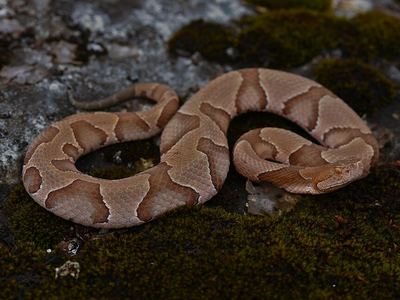
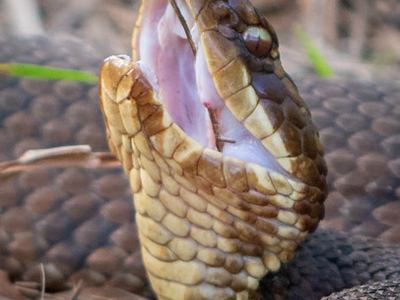
Yes. The eastern copperhead: 47 licensed records, 3% of all North Carolina records of it. The northern cottonmouth: 12 licensed records, 2% of all North Carolina records of it.
What snakes are in Richmond County?
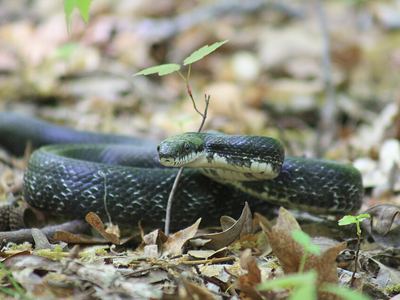
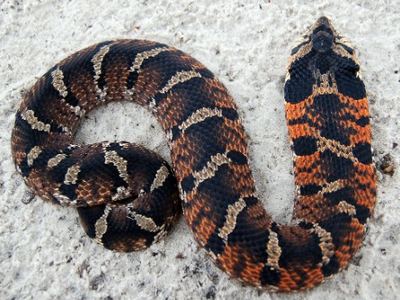
In all, 19 snake species are on the Richmond County list. The most recorded are the eastern rat snake (54), the eastern copperhead (47) and the eastern hog-nosed snake (37).
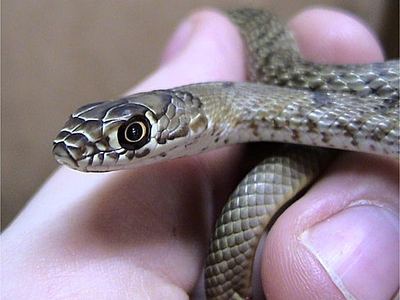
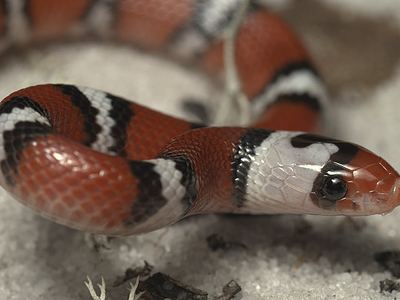
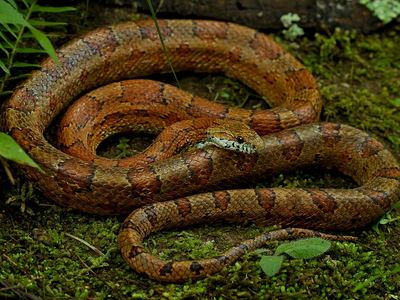
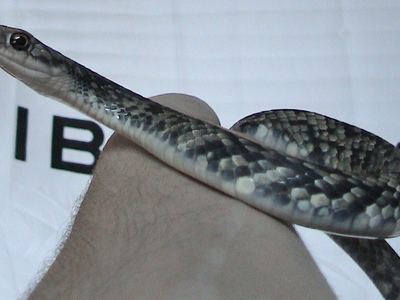
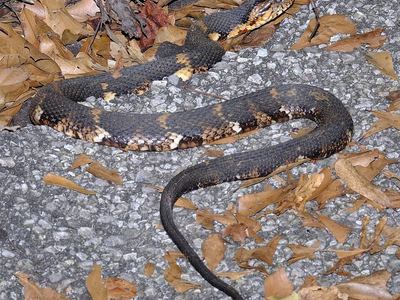
| # | Species | Records | Share of North Carolina records |
|---|---|---|---|
| 1 | Eastern rat snake Pantherophis alleghaniensis | 54 | 3% |
| 2 | Eastern copperhead venomous Agkistrodon contortrix | 47 | 3% |
| 3 | Eastern hog-nosed snake Heterodon platirhinos | 37 | 6% |
| 4 | Coachwhip Masticophis flagellum | 35 | 21% |
| 5 | Scarlet snake Cemophora coccinea | 32 | 10% |
| 6 | Corn snake Pantherophis guttatus | 31 | 4% |
| 7 | Eastern racer Coluber constrictor | 28 | 2% |
| 8 | Southern watersnake Nerodia fasciata | 22 | 2% |
| 9 | Rough greensnake Opheodrys aestivus | 21 | 2% |
| 10 | Prairie kingsnake Lampropeltis calligaster | 18 | 6% |
| 11 | Northern cottonmouth venomous Agkistrodon piscivorus | 12 | 2% |
| 12 | DeKay's brown snake Storeria dekayi | 11 | 1% |
| 13 | Eastern kingsnake Lampropeltis getula | 11 | 2% |
| 14 | Southeastern crown snake Tantilla coronata | 11 | 5% |
| 15 | Common garter snake Thamnophis sirtalis | 9 | 1% |
| 16 | Mole kingsnake Lampropeltis rhombomaculata | 8 | 3% |
| 17 | Red-bellied snake Storeria occipitomaculata | 7 | 1% |
| 18 | Ring-necked snake Diadophis punctatus | 7 | 1% |
| 19 | Plain-bellied watersnake Nerodia erythrogaster | 6 | 1% |
What spiders are in Richmond County?
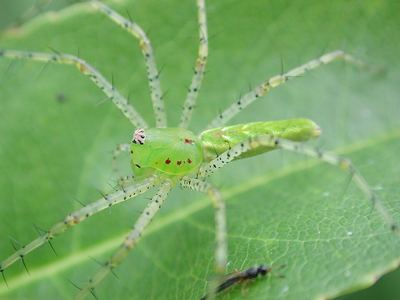
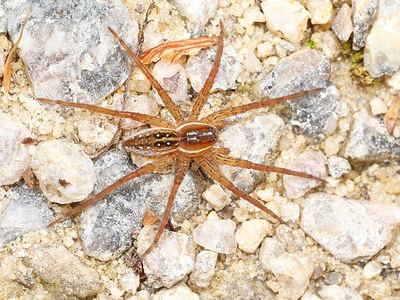
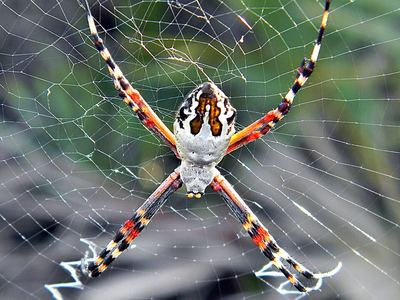
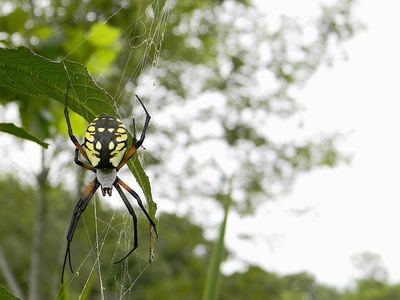
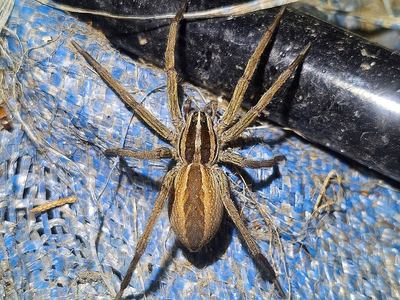
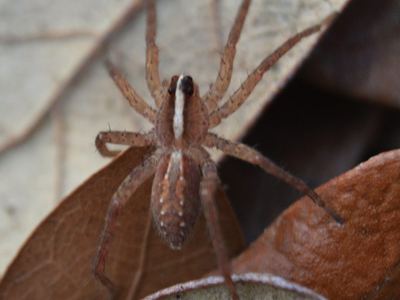
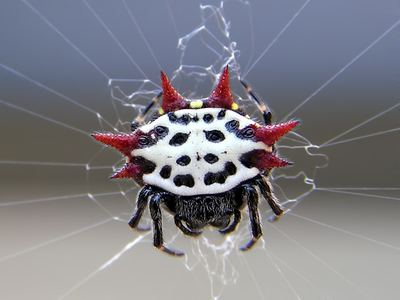
In all, 7 spider species are on the Richmond County list. The most recorded are the green lynx spider (4), the sixspotted fishing spider (4) and the Florida garden spider (3). Richmond County holds more than half of all North Carolina records of the Florida garden spider.
| # | Species | Records | Share of North Carolina records |
|---|---|---|---|
| 1 | Green lynx spider Peucetia viridans | 4 | 2% |
| 2 | Sixspotted fishing spider Dolomedes triton | 4 | 3% |
| 3 | Florida garden spider Argiope florida | 3 | 50% |
| 4 | Black-and-yellow argiope Argiope aurantia | 1 | 0% |
| 5 | Rabid wolf spider Rabidosa rabida | 1 | 1% |
| 6 | Rabidosa hentzi | 1 | 14% |
| 7 | Spiny-backed orbweaver Gasteracantha cancriformis | 1 | 1% |
When are spiders out in Richmond County?
Observation records of spiders in Richmond County run mostly April through August, peaking in April with 27% of them; across North Carolina the peak is September.
What stands out in Richmond County
Species for which Richmond County holds a large share of all North Carolina records: the coachwhip, 21% (35 of 164).
Common in North Carolina, not on the Richmond County list
Among the snakes most recorded across North Carolina, these do not reach the county list: the northern water snake (1,281 statewide), the eastern wormsnake (975 statewide) and the rough earthsnake (712 statewide). Few records here can mean the species is rare in the county, or that few people have looked.
Among the spiders most recorded across North Carolina, these do not reach the county list: the Pocock's lampshade-web spider (302 statewide), the orchard orbweaver (300 statewide), the familiar jumping spider (242 statewide), the marbled orbweaver (198 statewide), the spotted orbweaver (198 statewide) and the nursery web spider (188 statewide). Few records here can mean the species is rare in the county, or that few people have looked.
Harmless lookalikes in Richmond County
Copperheads are on the county list, and so are harmless species often taken for them: the eastern rat snake, the eastern hog-nosed snake, the corn snake and the plain-bellied watersnake. Cottonmouths are on the county list, and so are harmless species often taken for them: the southern watersnake and the plain-bellied watersnake. No rattlesnakes reach the county list, but the timber rattlesnake and the pygmy rattlesnake are on the North Carolina list: treat any snake like them as venomous until identified. Harmless species often taken for them here: the eastern hog-nosed snake. No coral snakes reach the county list, but the eastern coral snake is on the North Carolina list: treat any snake like it as venomous until identified. Harmless species often taken for them here: the scarlet snake.
Richmond County among North Carolina counties
By licensed snake records Richmond County ranks 13th of 100 North Carolina counties with any.
Other North Carolina counties with their own page: Wake County, Sampson County, Columbus County, Durham County, Moore County, Orange County, Dare County and Brunswick County.
The whole state: venomous species in North Carolina, all snakes, all spiders.
GBIF records read 2026-09-29. Listed: any license. Counted: CC0/CC BY only. How we count.