Spiders in Washington
Washington has 157 spider species on record, each with at least 10 GBIF records in the state, and 3,998 licensed records in all. The most recorded are the garden spider, the goldenrod crab spider and the zebra spider. Medically significant: the western black widow.
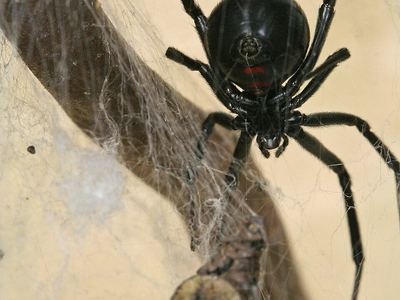
Widow spiders in Washington
One species of this group is listed for Washington: the western black widow, with 25 records (0.6% of the state's spider records).
Jumping spiders in Washington
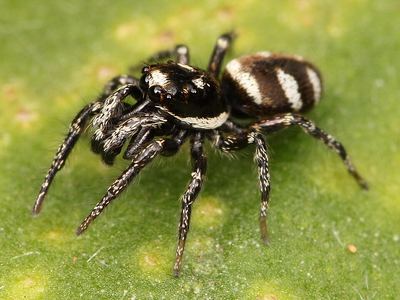
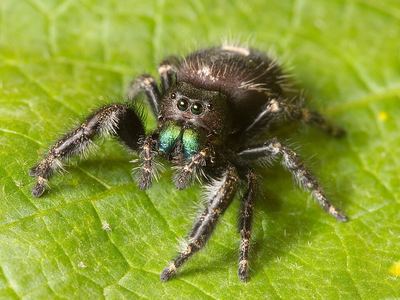
Jumping spiders: 28 species are listed for Washington, with 747 records (19% of the state's spider records). The most recorded is the zebra spider (226), ahead of the bold jumper (93).
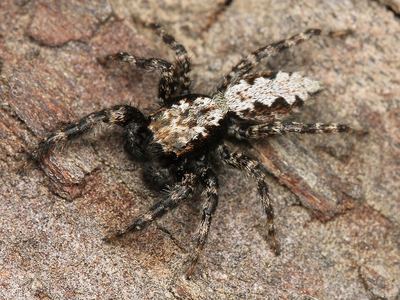
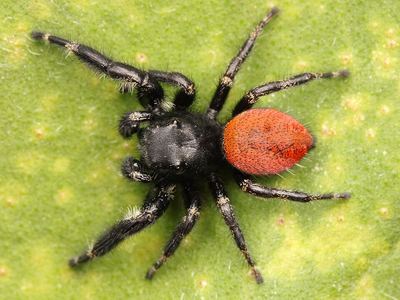
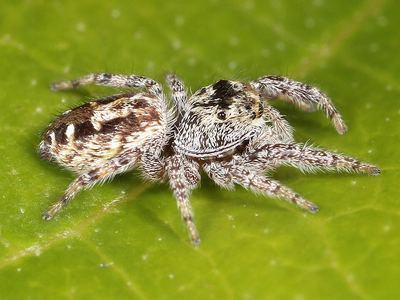
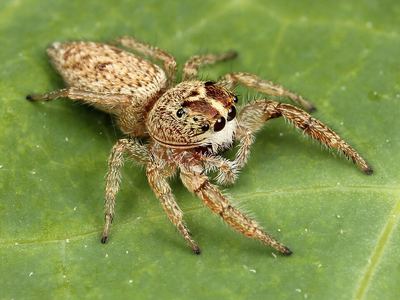
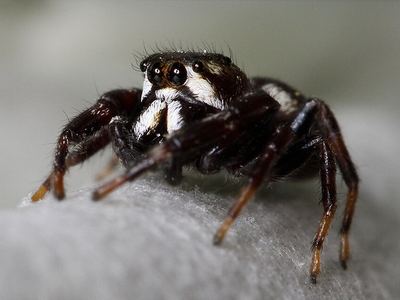
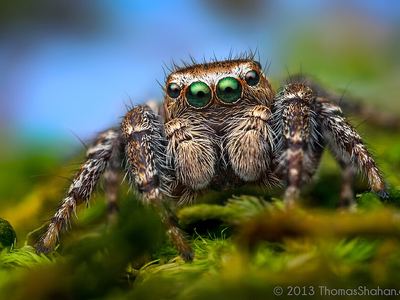
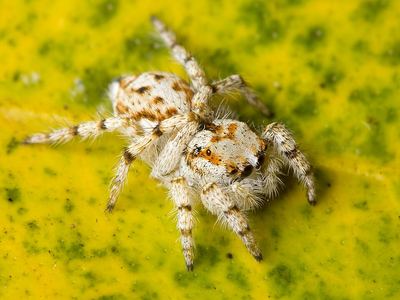
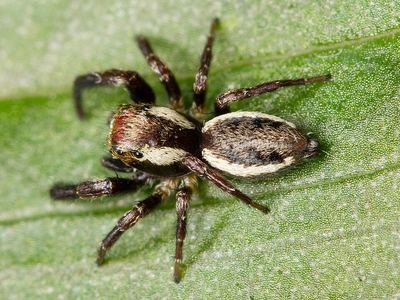
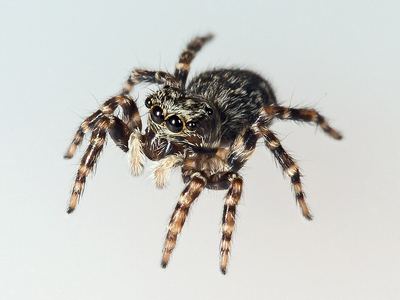
Plus 16: Hirsute paradise spider, Neon reticulatus, Beach-dwelling jumping spider, Attulus ammophilus, Brilliant jumping spider, Buttonhook leafbeetle jumping spider, Hairy tufted jumping spider, Synageles venator, Habronattus americanus, Habronattus ophrys, Oregon paradise jumping spider, Phanias concoloratus, Habronattus sansoni, Pelegrina balia, Salticus peckhamae, Sassacus papenhoei.
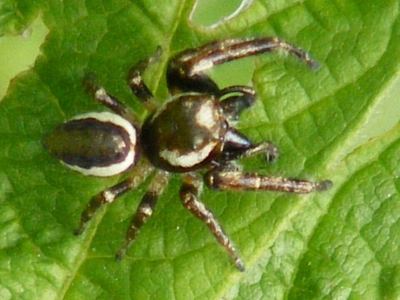
Observation records of the zebra spider in Washington run mostly February through September, peaking in June; most licensed records come from King County, Pierce County and Thurston County. Observation records of the bold jumper in Washington run mostly February through October, peaking in April; most licensed records come from Pierce County, Clark County and Benton County. Observation records of the bronze jumper in Washington run mostly April through October, peaking in May; most licensed records come from King County, Thurston County and Lewis County.
Wolf spiders in Washington
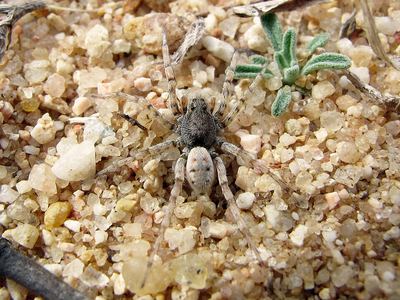
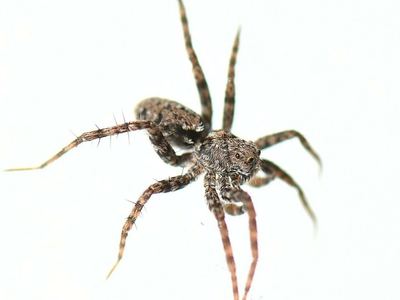
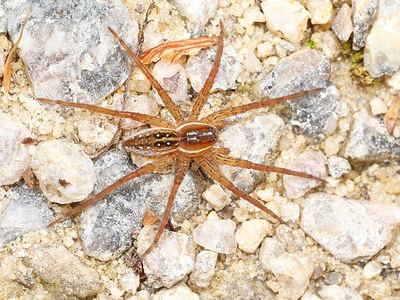
Wolf spiders are a small part of the spider record here: eleven species with 2% of records between them. The most recorded is Trochosa ruricola (24), ahead of the Koch's wolf spider (14).
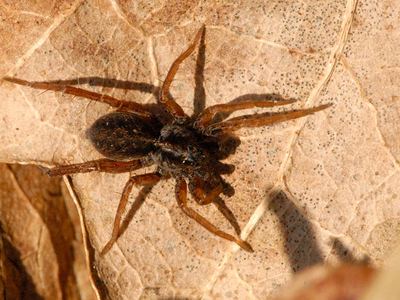
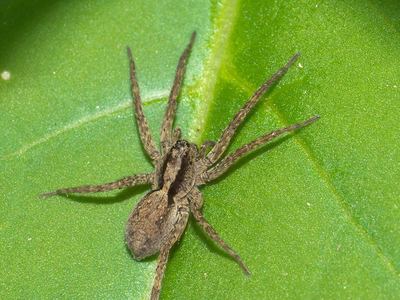
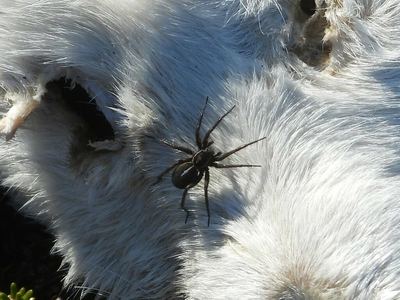
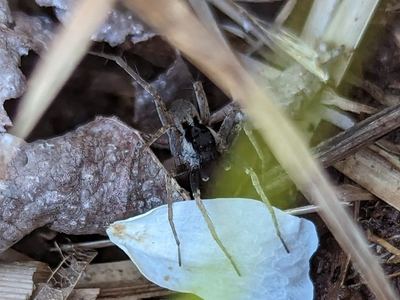 Related species: Pardosa saxatilis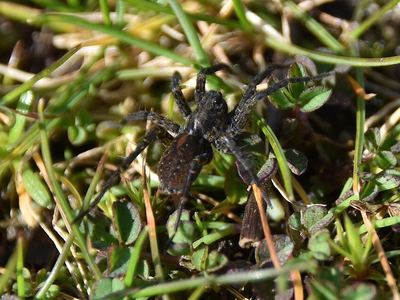
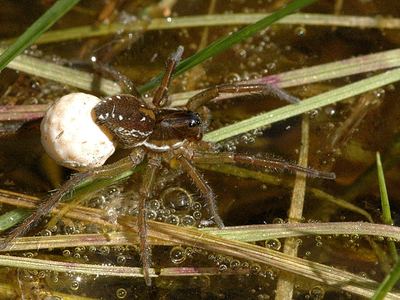
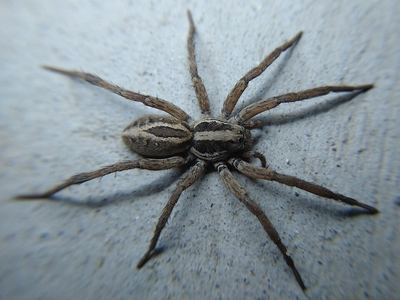 Related species: Pardosa saxatilis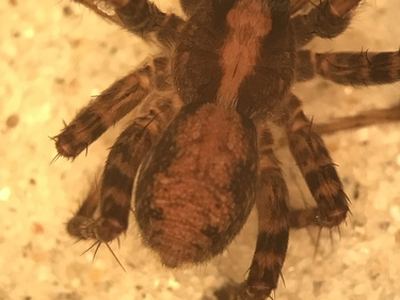
Orb weavers in Washington
Orb weavers dominate the spider record of Washington: 17 species and 26% of all records. The most recorded is the garden spider (785), ahead of the bridge orbweaver (39).
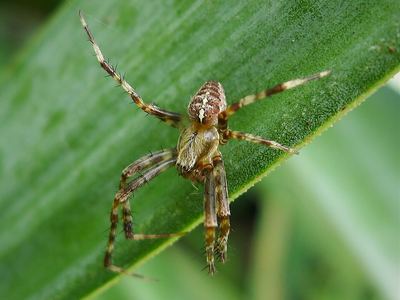
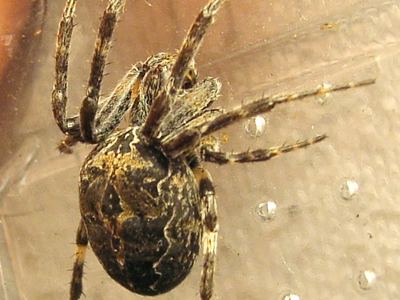
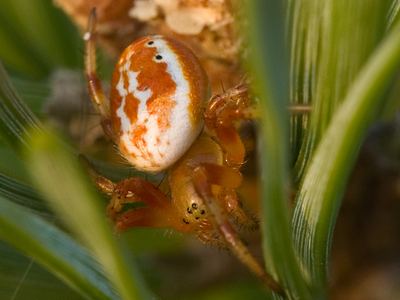
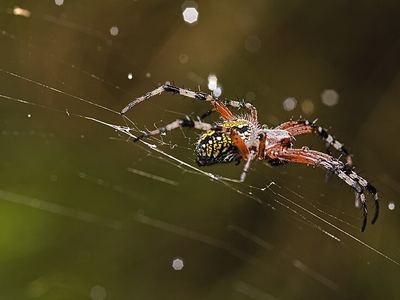
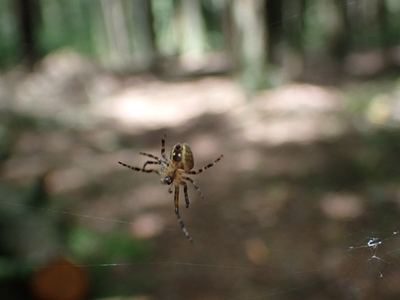
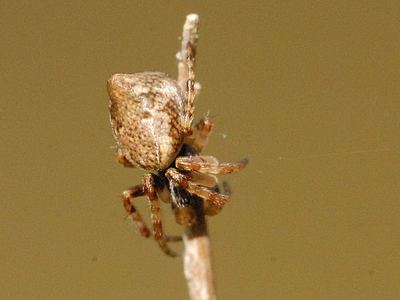
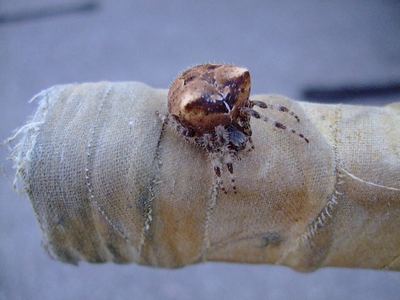
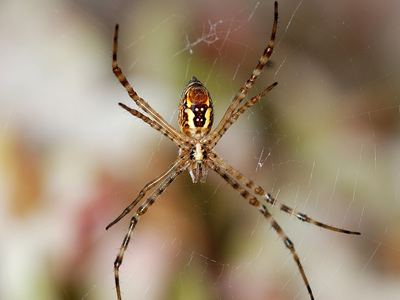
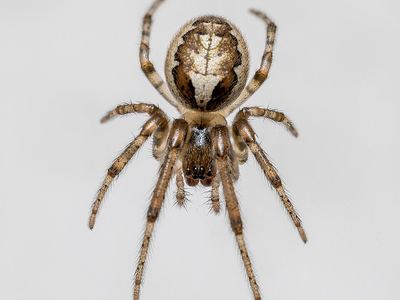
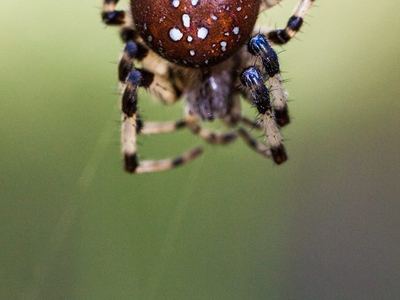
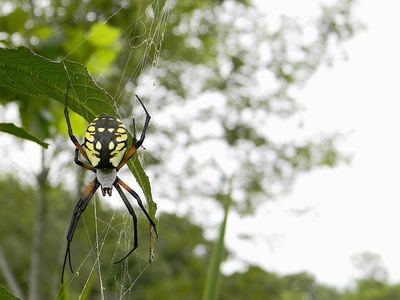
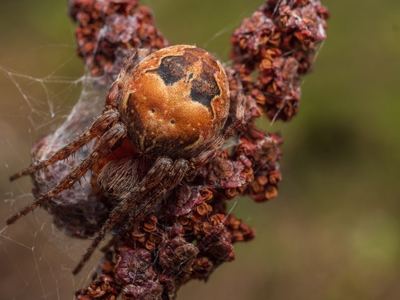
Plus five: Marbled orbweaver, Northern orb weaver, Red-sided sector spider, Fierce orbweaver, Arabesque orbweaver.
Observation records of the garden spider in Washington run mostly July through November, peaking in September; most licensed records come from King County, Snohomish County and Whatcom County. Observation records of the bridge orbweaver in Washington run mostly March through October, peaking in July; most licensed records come from King County, Pierce County and Snohomish County. Observation records of the sixspotted orbweaver in Washington run mostly March through September, peaking in July; most licensed records come from Pierce County, King County and Jefferson County.
Long-jawed orb weavers in Washington
Long-jawed orb weavers are a small part of the spider record here: four species with 3% of records between them. The most recorded is the autumn spider (44), ahead of the versicolor long-jawed orbweaver (38).
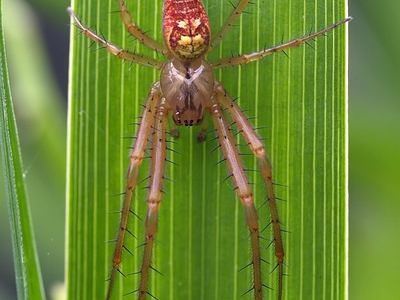
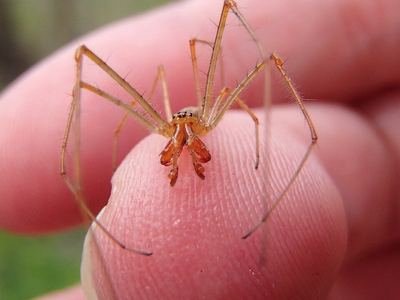
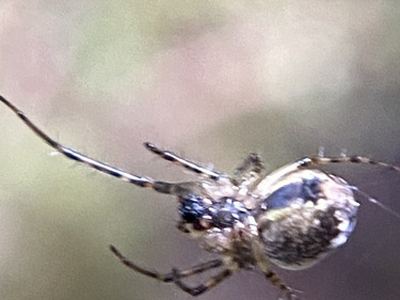
Observation records of the autumn spider in Washington run mostly September through November, peaking in September; most licensed records come from King County, Thurston County and Kitsap County. Observation records of the versicolor long-jawed orbweaver in Washington run mostly March through September, peaking in April; most licensed records come from Clallam County, Thurston County and King County.
Fishing and nursery web spiders in Washington
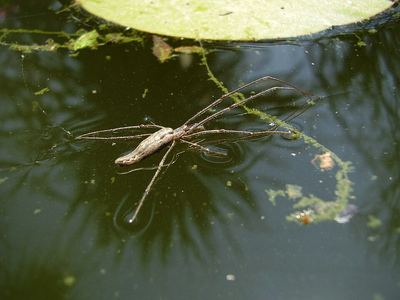
One species of this group is listed for Washington: the sixspotted fishing spider, with 9 records (0.2% of the state's spider records).
Crab spiders in Washington
Crab spiders: 17 species are listed for Washington, with 615 records (15% of the state's spider records). The most recorded is the goldenrod crab spider (315), ahead of the Eurasian running crab spider (118).
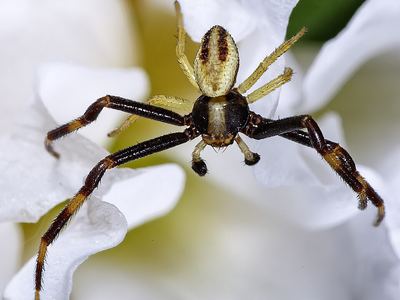
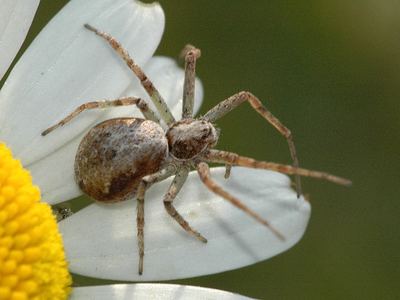
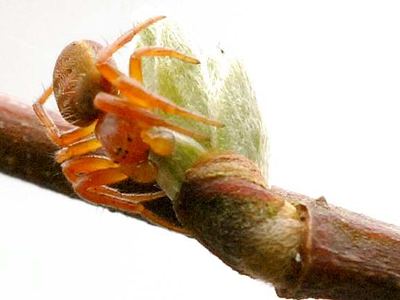
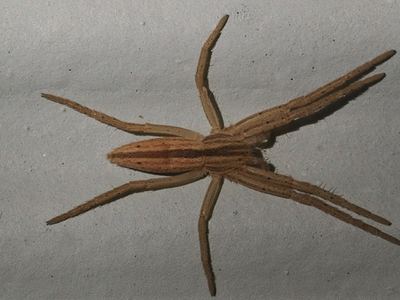
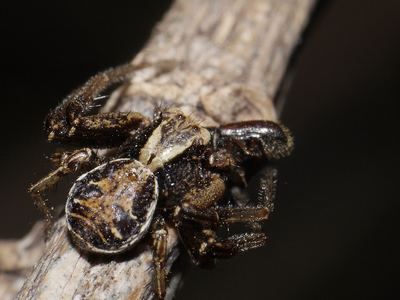
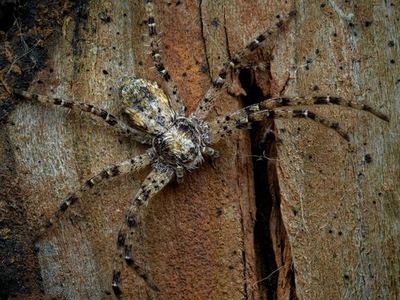
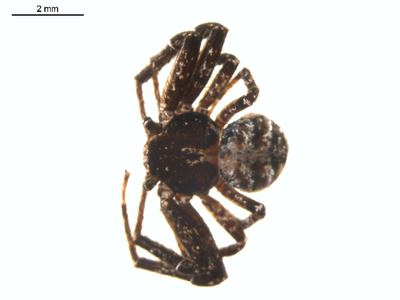
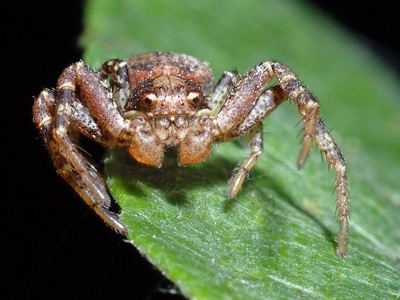
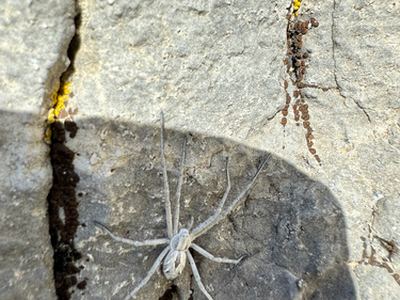
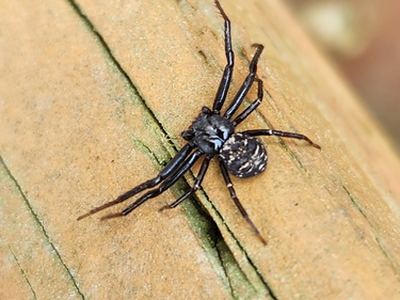
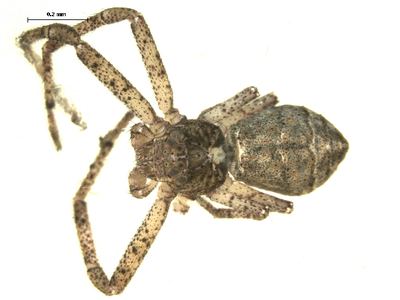
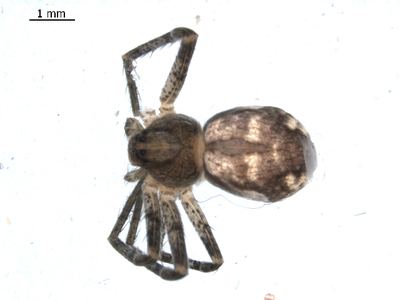
Plus five: Ozyptila pacifica, Philodromus josemitensis, Xysticus pretiosus, Mecaphesa sierrensis, Xysticus cunctator.
Observation records of the goldenrod crab spider in Washington run mostly April through September, peaking in June; most licensed records come from King County, Pierce County and Thurston County. Observation records of the Eurasian running crab spider in Washington run mostly February through October, peaking in May; most licensed records come from King County, Jefferson County and Pierce County. Observation records of the Nearctic white-striped running crab spider in Washington run through most of the year, peaking in April; most licensed records come from King County, Clallam County and Pierce County.
Cobweb spiders in Washington
Cobweb spiders: 14 species are listed for Washington, with 273 records (7% of the state's spider records). The most recorded is the false black widow (62), ahead of the common candy-striped spider (41).
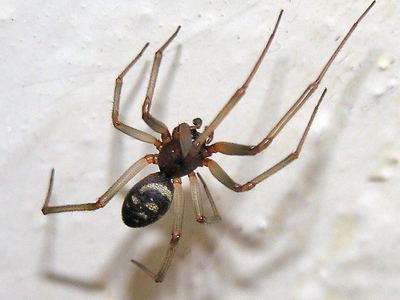
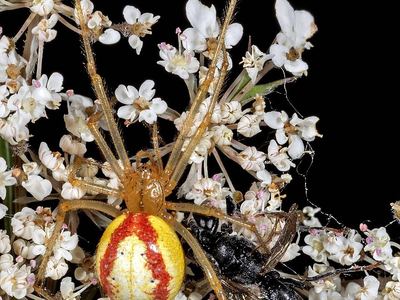
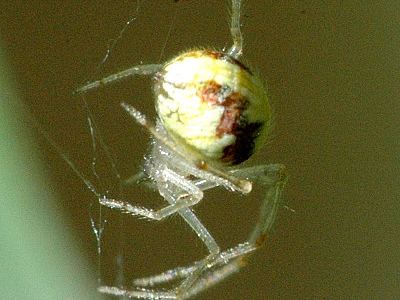
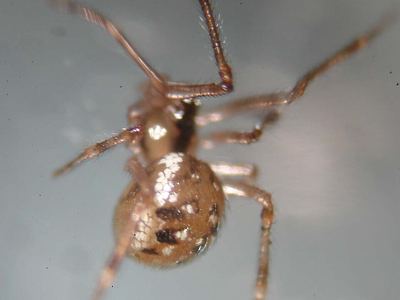
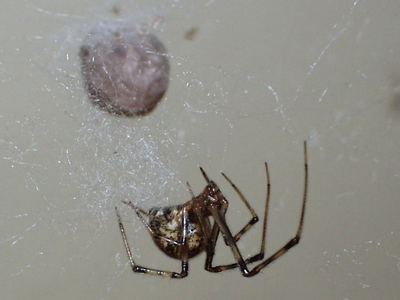
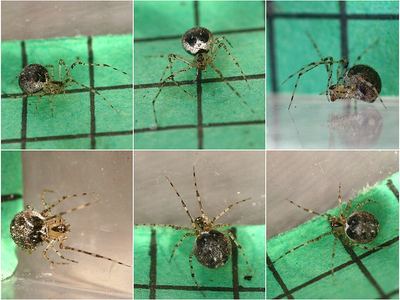
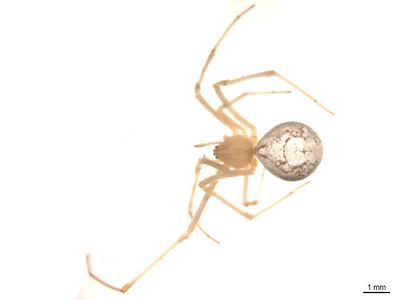
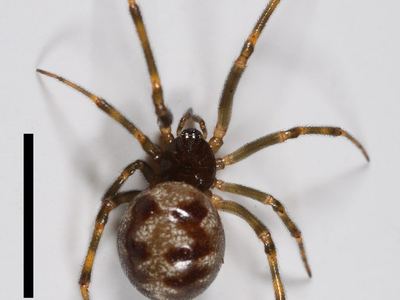
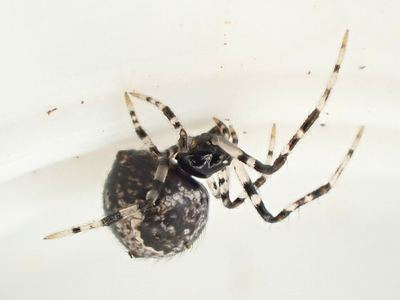
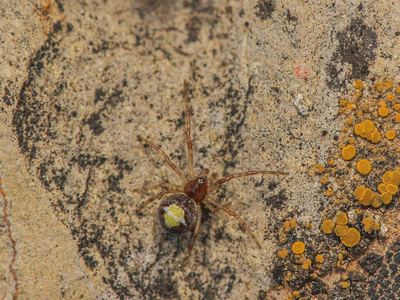
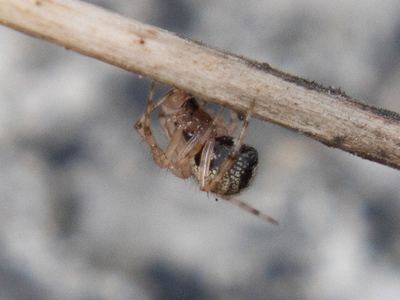
Plus two: Common false widow, Robertus vigerens.
Observation records of the false black widow in Washington run through most of the year, peaking in September; most licensed records come from King County, Thurston County and Pierce County. Observation records of the common candy-striped spider in Washington run mostly May through August, peaking in July; most licensed records come from King County, Jefferson County and Pierce County. Observation records of Theridion varians in Washington run mostly March through September, peaking in September; most licensed records come from King County, Pierce County and Thurston County.
Funnel weavers and grass spiders in Washington
Funnel weavers and grass spiders: six species are listed for Washington, with 214 records (5% of the state's spider records). The most recorded is the giant house spider (179), ahead of the barn funnel weaver (17).
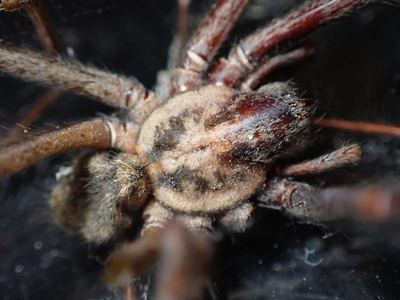
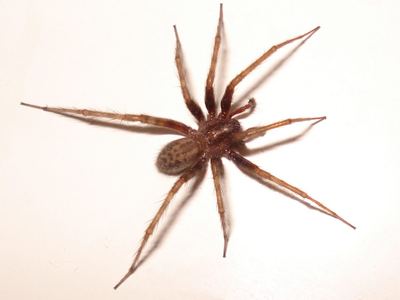
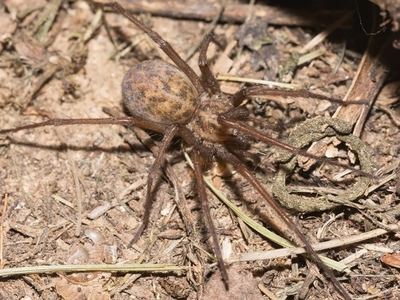
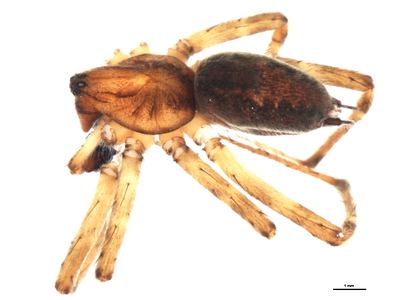
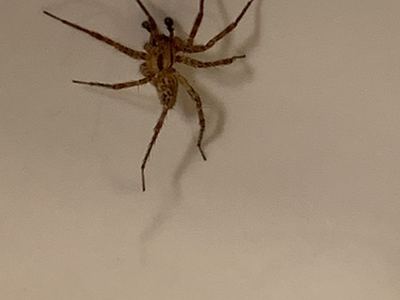
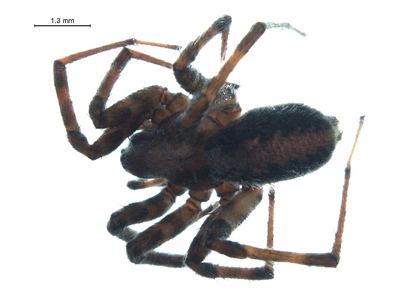
Observation records of the giant house spider in Washington run mostly March through October, peaking in August; most licensed records come from King County, Pierce County and Thurston County.
Lynx spiders in Washington
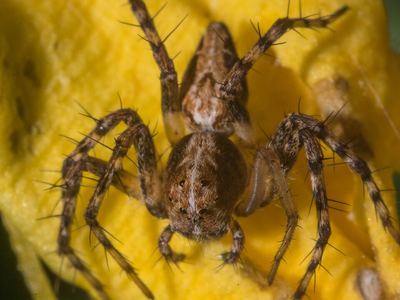
One species of this group is listed for Washington: the western lynx spider, with 22 records (0.6% of the state's spider records).
Sheetweb and dwarf spiders in Washington
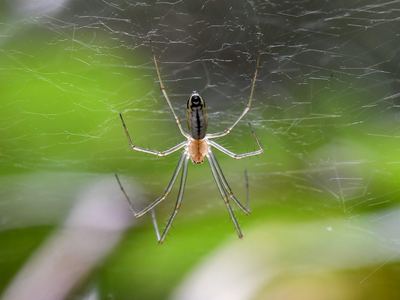
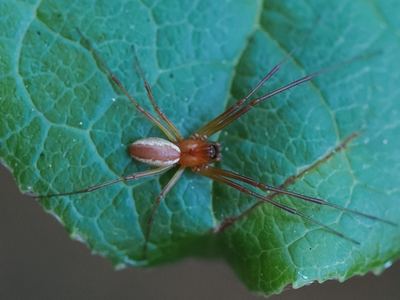
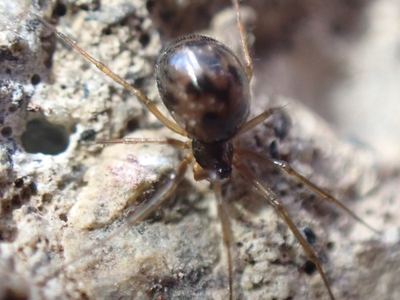
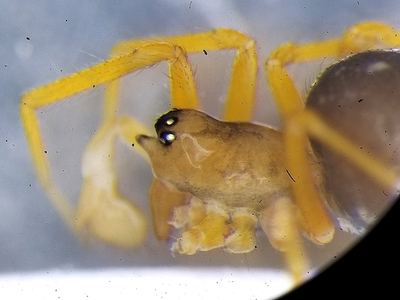
Sheetweb and dwarf spiders: 17 species are listed for Washington, with 207 records (5% of the state's spider records). The most recorded is the sierra dome spider (129), ahead of Neriene digna (25).
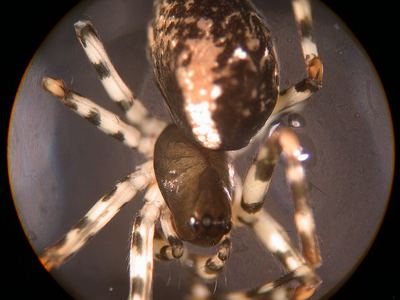
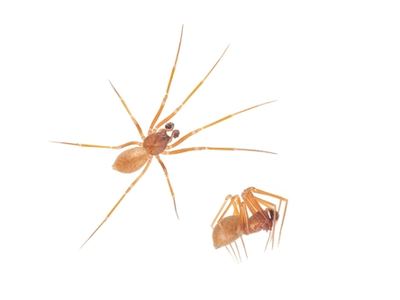
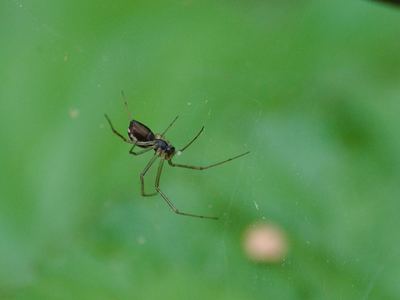
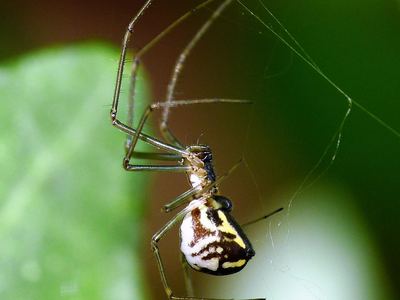
 Related species: Tenuiphantes zelatus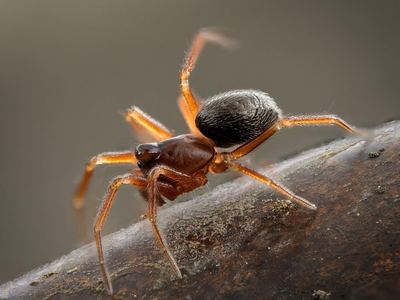
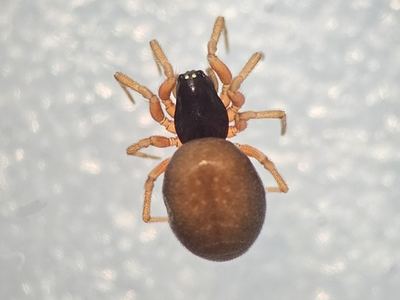 Related species: Grammonota inornata
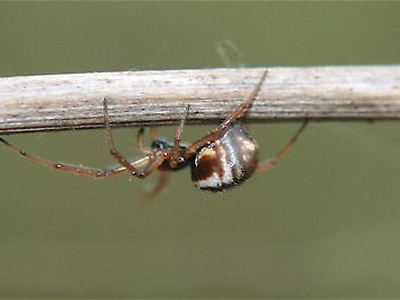 Same family (Linyphiidae): Frontinella pyramitela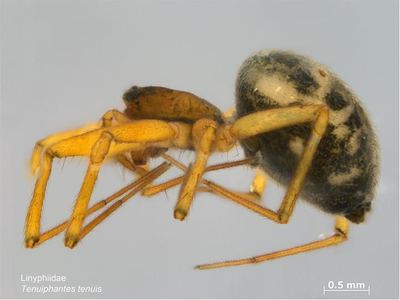
Plus five: Arcuphantes arcuatulus, Miller dwarf weaver, Pityohyphantes tacoma, Tachygyna vancouverana, Wubana pacifica.
Observation records of the sierra dome spider in Washington run mostly June through September, peaking in August; most licensed records come from King County, Thurston County and Pierce County.
Ground and sac spiders in Washington
Ground and sac spiders are a small part of the spider record here: eleven species with 2% of records between them. The most recorded is the mouse spider (56), ahead of Sergiolus montanus (10).
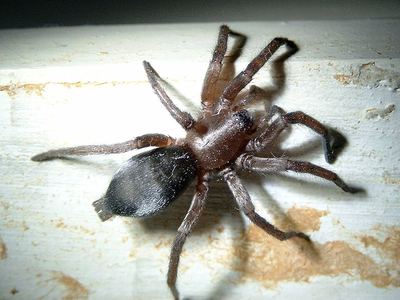
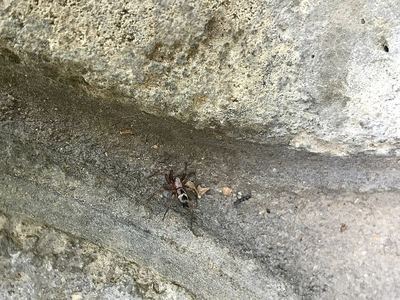
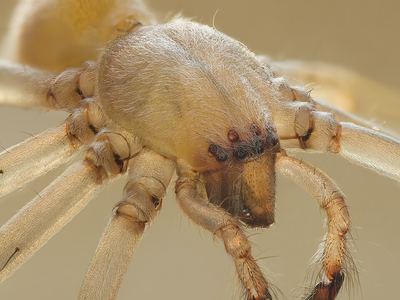
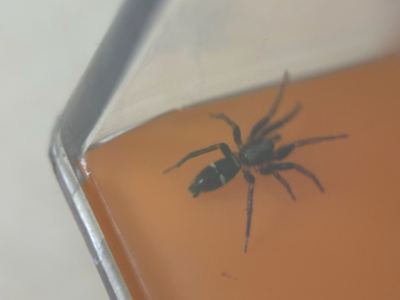
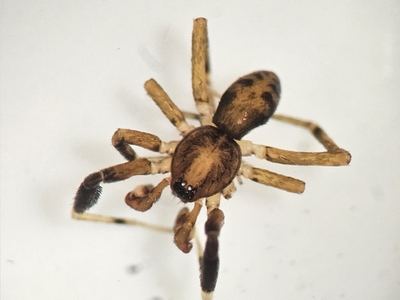
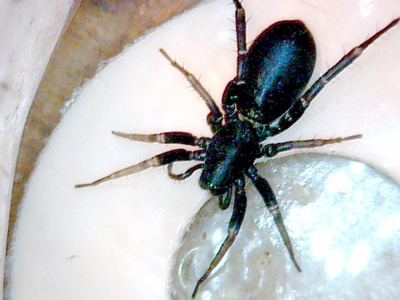
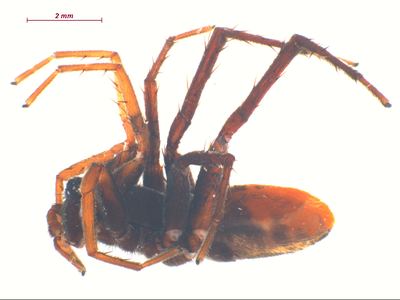
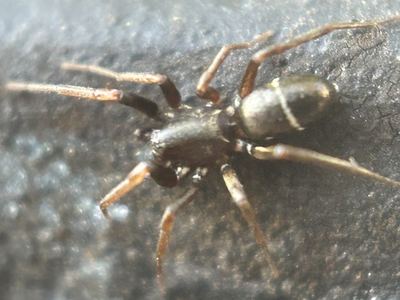
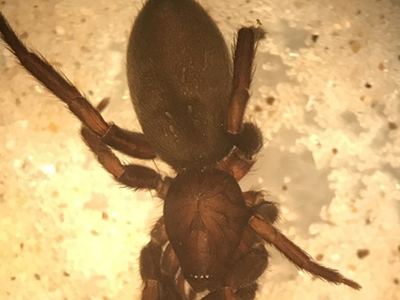
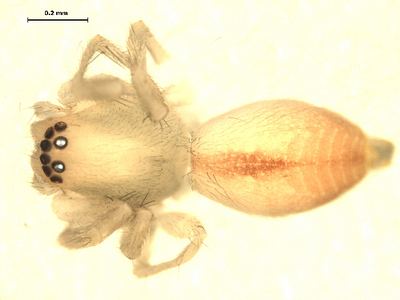
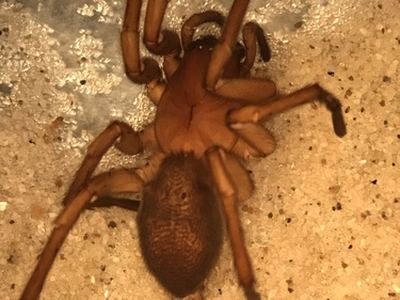 Related species: Orodrassus coloradensis
Observation records of the mouse spider in Washington run mostly April through November, peaking in July; most licensed records come from King County, Kitsap County and Snohomish County.
Other spiders in Washington
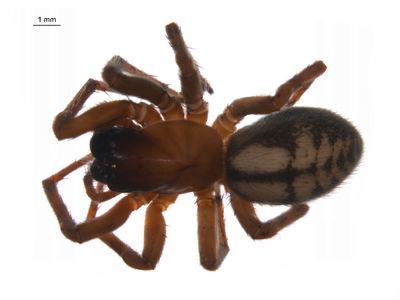
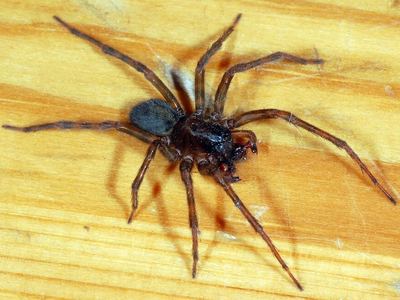
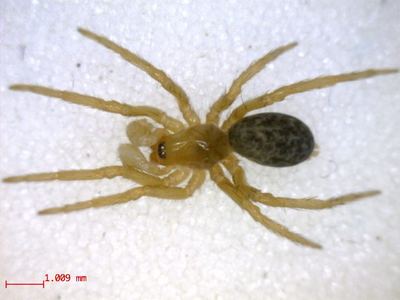
Other spiders: 29 species are listed for Washington, with 225 records (6% of the state's spider records). The most recorded is the longbodied cellar spider (48), ahead of Dysdera crocata (29).
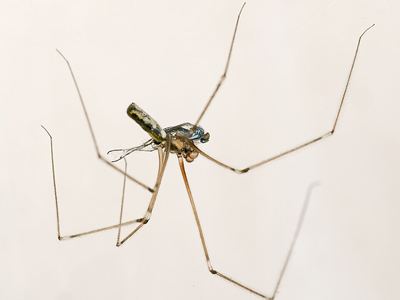
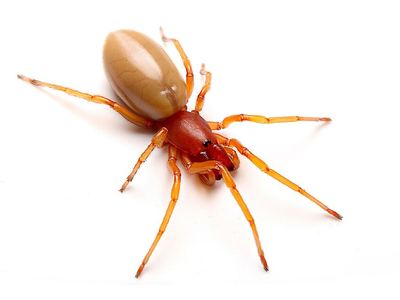
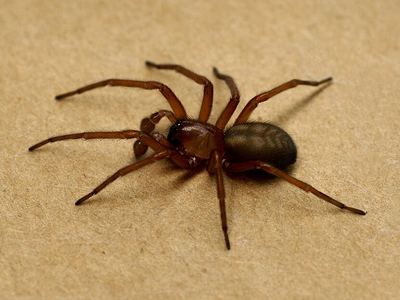
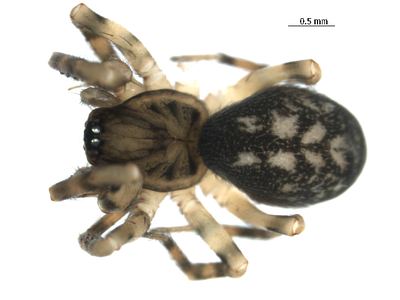
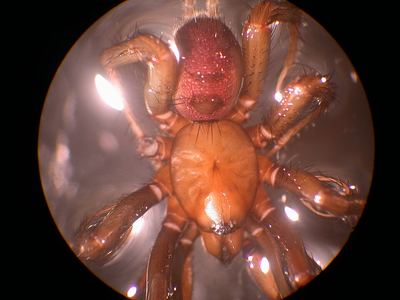
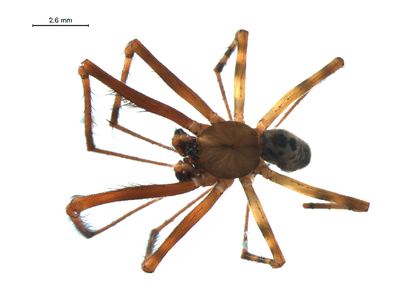
 Related species: Cicurina arcuata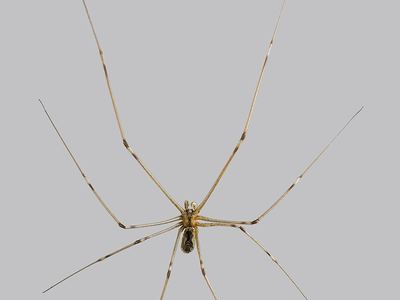
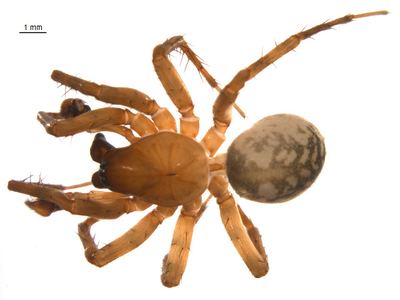
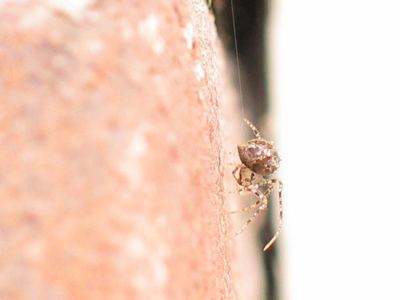
Plus 17: Dictyna major, Gertsch's triangleweaver, Microhexura idahoana, Segestria pacifica, Usofila pacifica, Dirksia cinctipes, Northwestern cellar spider, Hexura picea, Antrodiaetus pugnax, Ero canionis, Gray house spider, Spitting spider, Ethobuella tuonops, European ant-eating spider, Night-hunting woodland spider, Owl woodland spider, Pholcophora americana.
Observation records of the longbodied cellar spider in Washington run through most of the year, peaking in July; most licensed records come from King County, Jefferson County and Thurston County.
Where in Washington are spiders recorded most?
King County dominates: 35% of the state's licensed spider records come from it alone, and the top five counties hold 62%. 38 of Washington's 39 counties have at least one licensed spider record.
| # | County | Records | Share |
|---|---|---|---|
| 1 | King County | 1,383 | 34.6% |
| 2 | Pierce County | 379 | 9.5% |
| 3 | Thurston County | 280 | 7.0% |
| 4 | Snohomish County | 224 | 5.6% |
| 5 | Clallam County | 223 | 5.6% |
| 6 | Jefferson County | 202 | 5.1% |
| 7 | Whatcom County | 135 | 3.4% |
| 8 | Clark County | 116 | 2.9% |
| 9 | Skagit County | 89 | 2.2% |
| 10 | Kitsap County | 88 | 2.2% |
| 11 | San Juan County | 72 | 1.8% |
| 12 | Skamania County | 64 | 1.6% |
When do spiders come out in Washington?
Observation records of spiders in Washington run mostly March through October, peaking in September with 18% of them. Winter (December to February) holds 5% of the records. The sharpest rise comes from February to March.
| Jan | Feb | Mar | Apr | May | Jun | Jul | Aug | Sep | Oct | Nov | Dec |
|---|---|---|---|---|---|---|---|---|---|---|---|
| 1% | 2% | 6% | 9% | 11% | 11% | 12% | 17% | 18% | 9% | 2% | 1% |
Spiders: Washington compared with its neighbors
Washington ranks 16th of 50 states by the number of spider species listed; Texas leads with 386 species.
Washington lists more spider species than any state it borders (Washington: 157 species; Oregon 88, Idaho 56).
What spiders are in Washington? All 157 species
Ranked by licensed records in Washington. The table shows the 60 most recorded of 157 listed spiders.
| # | Species | Family | Records | Share |
|---|---|---|---|---|
| 1 | Garden spider Araneus diadematus | Araneidae | 785 | 19.6% |
| 2 | Goldenrod crab spider Misumena vatia | Thomisidae | 315 | 7.9% |
| 3 | Zebra spider Salticus scenicus | Salticidae | 226 | 5.7% |
| 4 | Giant house spider Eratigena duellica | Agelenidae | 179 | 4.5% |
| 5 | Sierra dome spider Neriene litigiosa | Linyphiidae | 129 | 3.2% |
| 6 | Eurasian running crab spider Philodromus dispar | Philodromidae | 118 | 3.0% |
| 7 | Bold jumper Phidippus audax | Salticidae | 93 | 2.3% |
| 8 | Nearctic white-striped running crab spider Philodromus rufus | Philodromidae | 91 | 2.3% |
| 9 | Bronze jumper Eris militaris | Salticidae | 89 | 2.2% |
| 10 | False black widow Steatoda grossa | Theridiidae | 62 | 1.6% |
| 11 | California flattened jumping spider Platycryptus californicus | Salticidae | 58 | 1.5% |
| 12 | Mouse spider Scotophaeus blackwalli | Gnaphosidae | 56 | 1.4% |
| 13 | Johnson jumper Phidippus johnsoni | Salticidae | 51 | 1.3% |
| 14 | Longbodied cellar spider Pholcus phalangioides | Pholcidae | 48 | 1.2% |
| 15 | Pelegrina aeneola | Salticidae | 47 | 1.2% |
| 16 | Autumn spider Metellina segmentata | Tetragnathidae | 44 | 1.1% |
| 17 | Common candy-striped spider Enoplognatha ovata | Theridiidae | 41 | 1.0% |
| 18 | Theridion varians | Theridiidae | 40 | 1.0% |
| 19 | Bridge orbweaver Larinioides sclopetarius | Araneidae | 39 | 1.0% |
| 20 | Common six-spotted cobweaver Rugathodes sexpunctatus | Theridiidae | 39 | 1.0% |
| 21 | Sixspotted orbweaver Araniella displicata | Araneidae | 39 | 1.0% |
| 22 | Western spotted orbweaver Neoscona oaxacensis | Araneidae | 39 | 1.0% |
| 23 | Phanias harfordi | Salticidae | 38 | 1.0% |
| 24 | Versicolor long-jawed orbweaver Tetragnatha versicolor | Tetragnathidae | 38 | 1.0% |
| 25 | Oblong running spider Tibellus oblongus | Philodromidae | 33 | 0.8% |
| 26 | Common house spider Parasteatoda tepidariorum | Theridiidae | 30 | 0.8% |
| 27 | Dysdera crocata | Dysderidae | 29 | 0.7% |
| 28 | Nordmann's orbweaver spider Araneus nordmanni | Araneidae | 29 | 0.7% |
| 29 | Metaphidippus manni | Salticidae | 28 | 0.7% |
| 30 | West coast laceweaver Callobius severus | Amaurobiidae | 27 | 0.7% |
| 31 | Neriene digna | Linyphiidae | 25 | 0.6% |
| 32 | Proszynski's jumping spider Evarcha proszynskii | Salticidae | 25 | 0.6% |
| 33 | Western black widow venomous Latrodectus hesperus | Theridiidae | 25 | 0.6% |
| 34 | Habronattus amicus | Salticidae | 24 | 0.6% |
| 35 | Trochosa ruricola | Lycosidae | 24 | 0.6% |
| 36 | Cone-shaped orbweaver Cyclosa conica | Araneidae | 22 | 0.6% |
| 37 | Cryphoeca exlineae | Cybaeidae | 22 | 0.6% |
| 38 | Oaphantes cryophilus | Linyphiidae | 22 | 0.6% |
| 39 | Western lynx spider Oxyopes scalaris | Oxyopidae | 22 | 0.6% |
| 40 | Common foldingdoor spider Antrodiaetus pacificus | Antrodiaetidae | 18 | 0.5% |
| 41 | False pirate spider Platnickina tincta | Theridiidae | 18 | 0.5% |
| 42 | Metellina curtisi | Tetragnathidae | 18 | 0.5% |
| 43 | Barn funnel weaver Tegenaria domestica | Agelenidae | 17 | 0.4% |
| 44 | Cat-faced spider Araneus gemmoides | Araneidae | 17 | 0.4% |
| 45 | Hobo spider Eratigena agrestis | Agelenidae | 16 | 0.4% |
| 46 | Common crab spider Xysticus cristatus | Thomisidae | 15 | 0.4% |
| 47 | Dana sheet-web micro-weaver Microlinyphia dana | Linyphiidae | 15 | 0.4% |
| 48 | Banded garden spider Argiope trifasciata | Araneidae | 14 | 0.4% |
| 49 | Koch's wolf spider Alopecosa kochi | Lycosidae | 14 | 0.4% |
| 50 | Theridion californicum | Theridiidae | 14 | 0.4% |
| 51 | Long-jawed orb weaver Tetragnatha laboriosa | Tetragnathidae | 13 | 0.3% |
| 52 | Philodromus spectabilis | Philodromidae | 13 | 0.3% |
| 53 | Phanias albeolus | Salticidae | 12 | 0.3% |
| 54 | Pimoa altioculata | Pimoidae | 12 | 0.3% |
| 55 | Utah crab spider Bassaniana utahensis | Thomisidae | 12 | 0.3% |
| 56 | Groenland wolf spider Pardosa groenlandica | Lycosidae | 11 | 0.3% |
| 57 | Zygiella x-notata | Araneidae | 11 | 0.3% |
| 58 | Sergiolus montanus | Gnaphosidae | 10 | 0.3% |
| 59 | Callobius pictus | Amaurobiidae | 9 | 0.2% |
| 60 | Sixspotted fishing spider Dolomedes triton | Pisauridae | 9 | 0.2% |
Related pages
GBIF records read 2026-09-29. Listed: any license. Counted: CC0/CC BY only. How we count.