Snakes in Georgia
Georgia has 44 snake species on record, each with at least 10 GBIF records in the state, and 6,181 licensed records in all. The most recorded are the brown water snake, the ring-necked snake and the DeKay's brown snake. Seven of them are venomous.
Rattlesnakes in Georgia
Rattlesnakes: three species are listed for Georgia, with 276 records (4% of the state's snake records). The most recorded is the timber rattlesnake (166), ahead of the eastern diamondback rattlesnake (74).
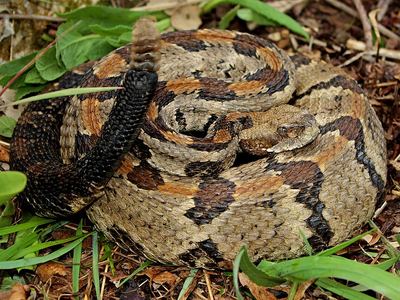
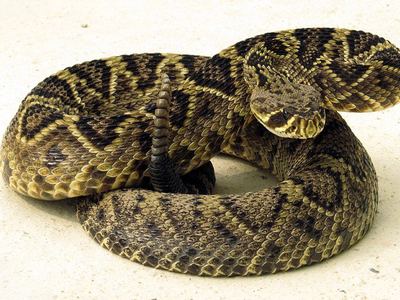
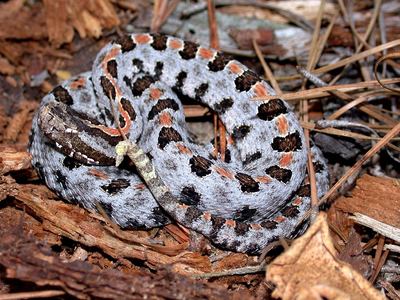
Observation records of the timber rattlesnake in Georgia run mostly April through October, peaking in May; most licensed records come from Baker County, Harris County and Charlton County. Most licensed records of the eastern diamondback rattlesnake in Georgia come from Grady County, Glynn County and Baker County. Most licensed records of the pygmy rattlesnake in Georgia come from Charlton County, Ware County and Berrien County.
Copperheads and cottonmouths in Georgia
Copperheads and cottonmouths: three species are listed for Georgia, with 235 records (4% of the state's snake records). The most recorded is the eastern copperhead (131), ahead of the northern cottonmouth (97).
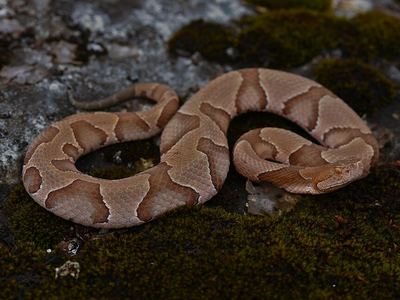
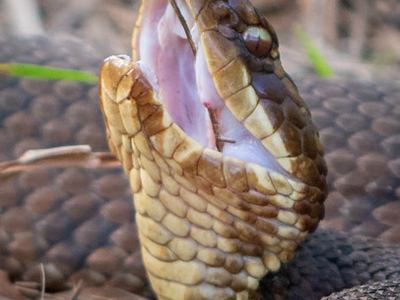
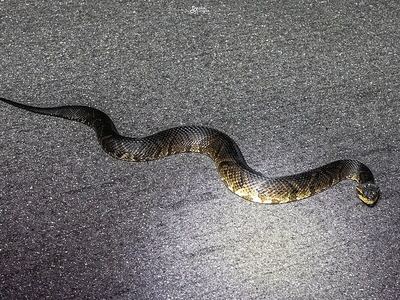
Observation records of the eastern copperhead in Georgia run mostly April through October, peaking in April; most licensed records come from Chatham County, Baker County and DeKalb County. Observation records of the northern cottonmouth in Georgia run mostly March through November, peaking in May; most licensed records come from Charlton County, Columbia County and Jones County.
Coral snakes in Georgia
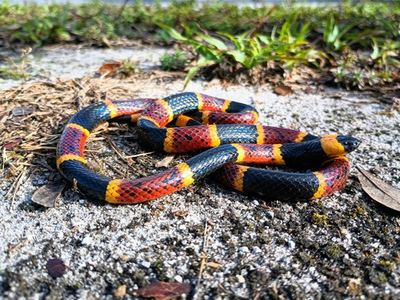
One species of this group is listed for Georgia: the eastern coral snake, with 20 records (0.3% of the state's snake records).
Water snakes and swamp snakes in Georgia
Water snakes and swamp snakes dominate the snake record of Georgia: eleven species and 55% of all records. The most recorded is the brown water snake (2,808), ahead of the northern water snake (204).
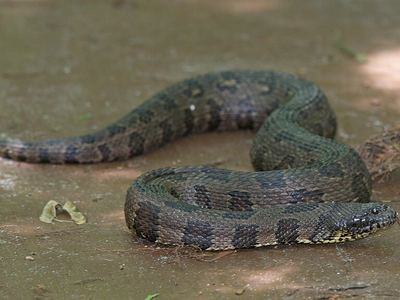
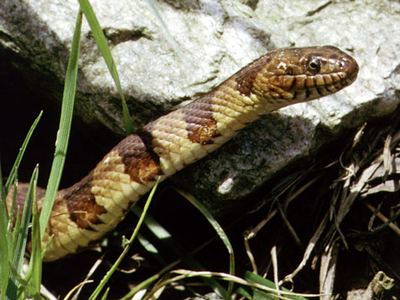
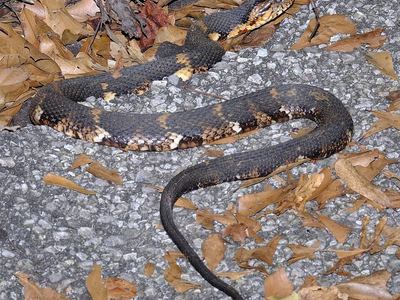
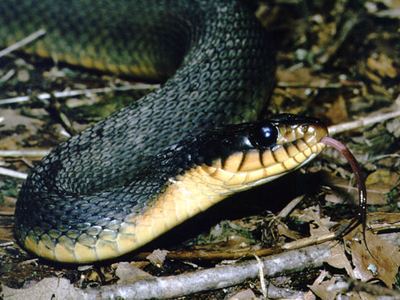
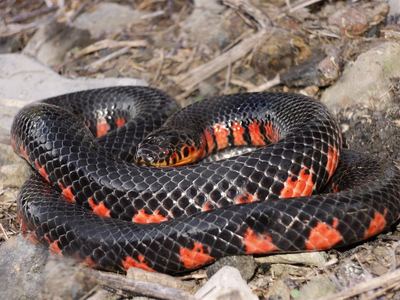
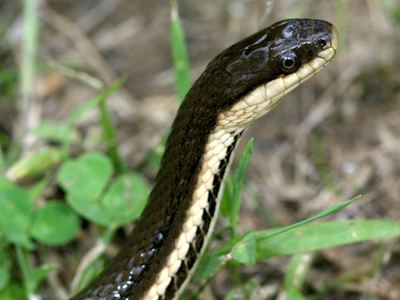
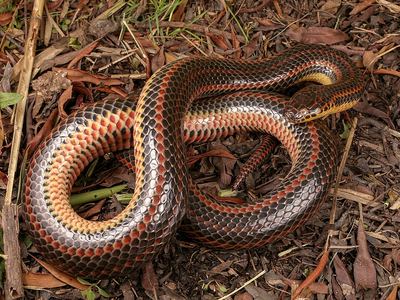
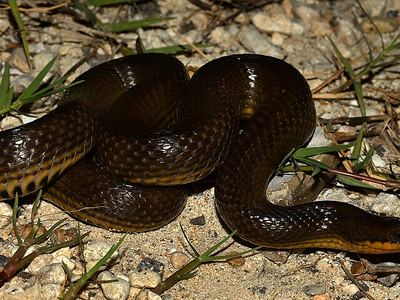
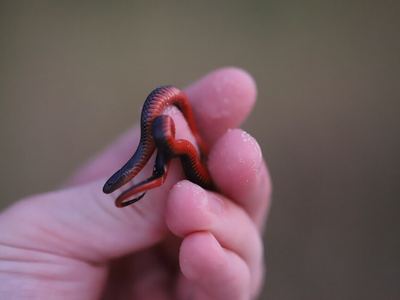
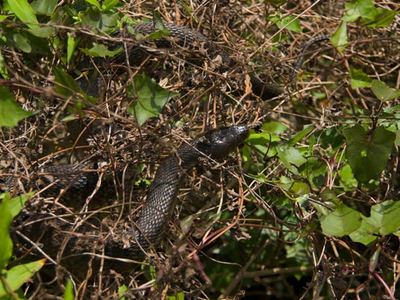
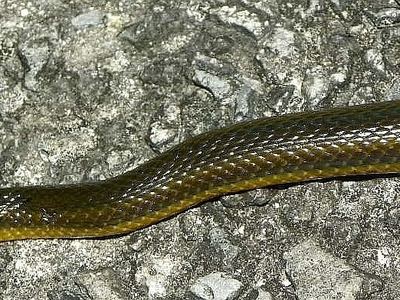
Observation records of the brown water snake in Georgia run mostly February through September, peaking in February; most licensed records come from Burke County, Columbia County and McDuffie County. Observation records of the northern water snake in Georgia run mostly March through August, peaking in April; most licensed records come from DeKalb County, Clarke County and Cobb County. Observation records of the southern watersnake in Georgia run mostly March through September, peaking in April; most licensed records come from Charlton County, Chatham County and Ware County.
Garter snakes and ribbon snakes in Georgia
Garter snakes and ribbon snakes: two species are listed for Georgia, with 252 records (4% of the state's snake records). The most recorded is the common garter snake (200), ahead of the eastern ribbonsnake (52).
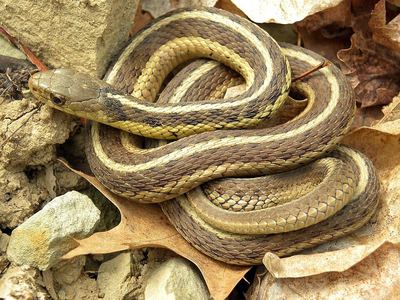
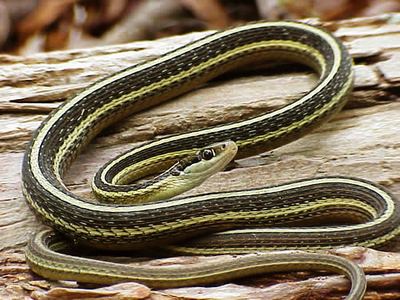
Observation records of the common garter snake in Georgia run mostly February through September, peaking in May; most licensed records come from Charlton County, Chatham County and Cobb County. Most licensed records of the eastern ribbonsnake in Georgia come from Charlton County, Ware County and Chatham County.
Rat snakes and corn snakes in Georgia
Rat snakes and corn snakes: three species are listed for Georgia, with 289 records (5% of the state's snake records). The most recorded is the eastern rat snake (203), ahead of the corn snake (78).
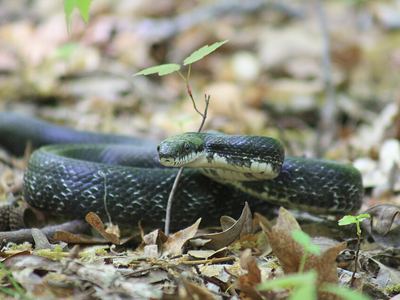
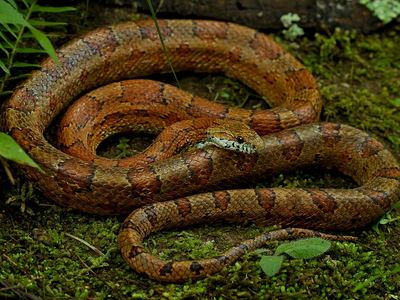
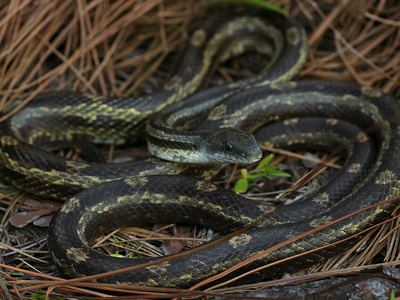
Observation records of the eastern rat snake in Georgia run mostly March through October, peaking in May; most licensed records come from Clarke County, Jones County and Cobb County. Most licensed records of the corn snake in Georgia come from Glynn County, Charlton County and Baker County.
Kingsnakes and milksnakes in Georgia
Kingsnakes and milksnakes are a small part of the snake record here: five species with 3% of records between them. The most recorded is the eastern kingsnake (136), ahead of the scarlet kingsnake (20).
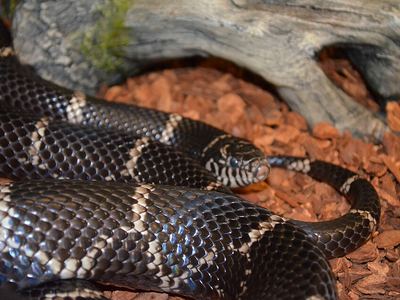
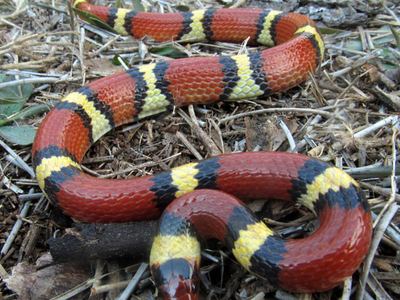
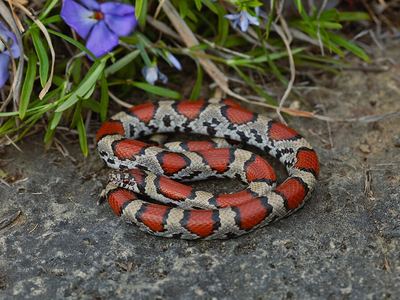
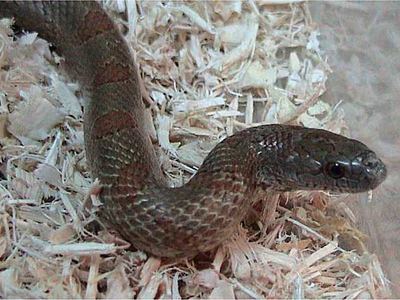
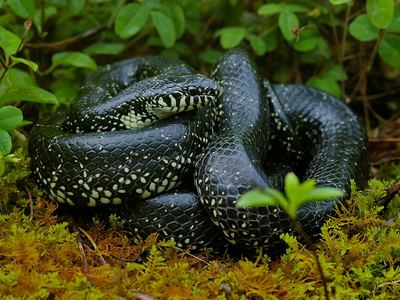
Observation records of the eastern kingsnake in Georgia run mostly April through September, peaking in April; most licensed records come from Charlton County, Cobb County and DeKalb County.
Racers, whipsnakes and indigo snakes in Georgia
Racers, whipsnakes and indigo snakes: three species are listed for Georgia, with 295 records (5% of the state's snake records). The most recorded is the eastern racer (208), ahead of the coachwhip (78).
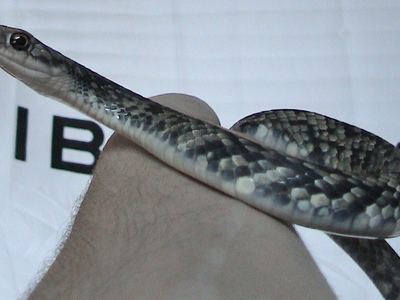
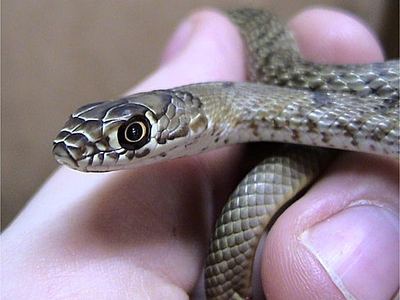
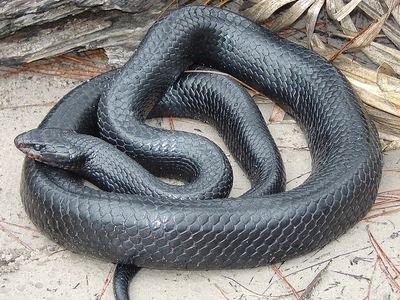
Observation records of the eastern racer in Georgia run mostly March through September, peaking in April; most licensed records come from Charlton County, Bryan County and Bulloch County. Most licensed records of the coachwhip in Georgia come from Baker County, Clay County and Decatur County.
Gopher snakes, bullsnakes and pine snakes in Georgia
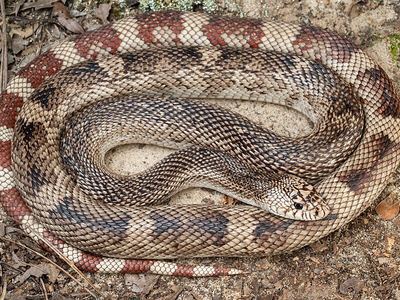
One species of this group is listed for Georgia: the pine snake, with 13 records (0.2% of the state's snake records).
Hognose snakes in Georgia
Hognose snakes are a small part of the snake record here: two species with 2% of records between them. The most recorded is the eastern hog-nosed snake (109), ahead of the southern hognose snake (15).
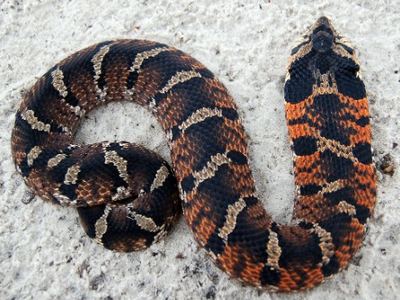
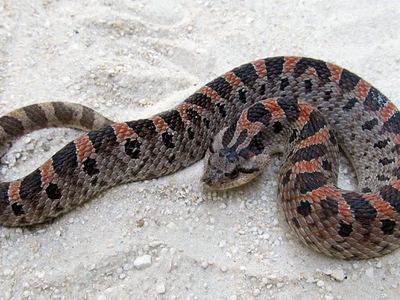
Most licensed records of the eastern hog-nosed snake in Georgia come from Charlton County, Chatham County and Baker County.
Green snakes in Georgia
One species of this group is listed for Georgia: the rough greensnake, with 129 records (2% of the state's snake records).
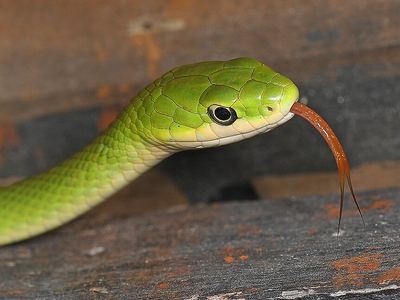
Observation records of the rough greensnake in Georgia run mostly March through November, peaking in May; most licensed records come from Chatham County, Charlton County and Clarke County.
Small woodland and burrowing snakes in Georgia
Small woodland and burrowing snakes: nine species are listed for Georgia, with 818 records (13% of the state's snake records). The most recorded is the ring-necked snake (310), ahead of the DeKay's brown snake (218).
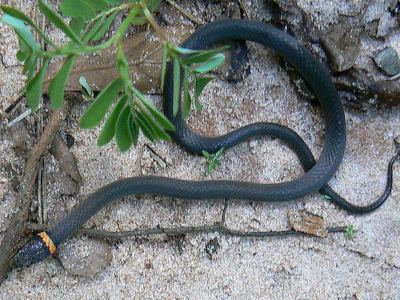
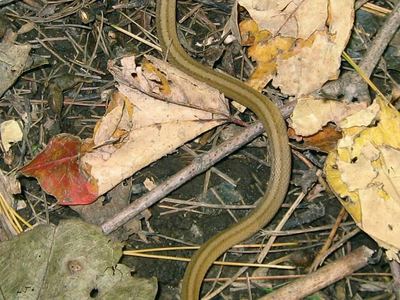
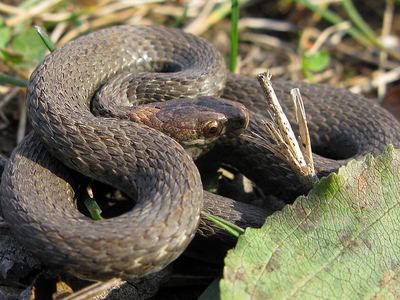
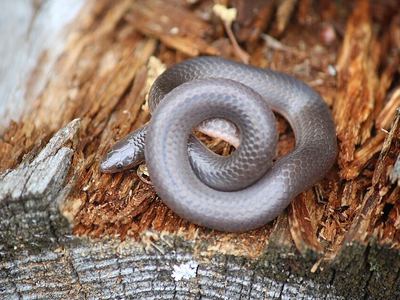
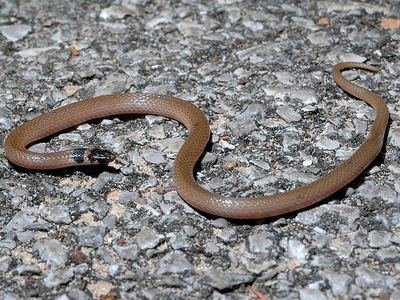
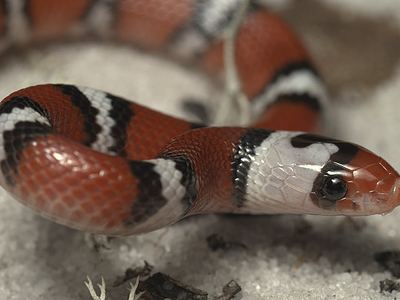
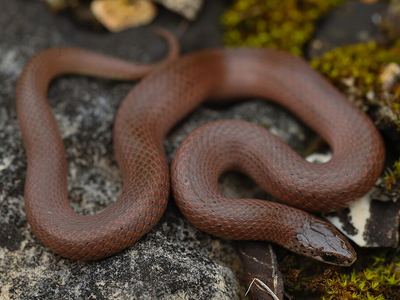
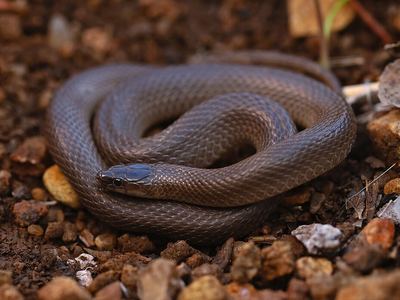
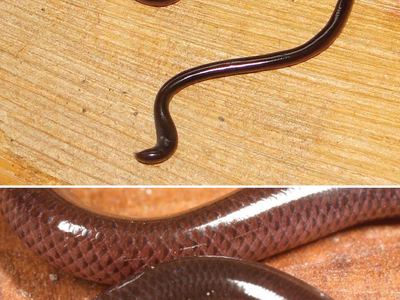
Observation records of the ring-necked snake in Georgia run mostly March through October, peaking in April; most licensed records come from Rabun County, Union County and Clarke County. Observation records of the DeKay's brown snake in Georgia run mostly March through November, peaking in March; most licensed records come from DeKalb County, Fulton County and Clarke County. Observation records of the red-bellied snake in Georgia run mostly March through November, peaking in October; most licensed records come from Clarke County, Rabun County and Oglethorpe County.
Where in Georgia are snakes recorded most?
Burke County dominates: 42% of the state's licensed snake records come from it alone, and the top five counties hold 55%. 153 of Georgia's 159 counties have at least one licensed snake record.
| # | County | Records | Share |
|---|---|---|---|
| 1 | Burke County | 2,572 | 41.6% |
| 2 | Charlton County | 383 | 6.2% |
| 3 | Chatham County | 157 | 2.5% |
| 4 | Clarke County | 152 | 2.5% |
| 5 | Columbia County | 130 | 2.1% |
| 6 | Cobb County | 125 | 2.0% |
| 7 | DeKalb County | 124 | 2.0% |
| 8 | Baker County | 118 | 1.9% |
| 9 | Rabun County | 114 | 1.8% |
| 10 | Richmond County | 108 | 1.7% |
| 11 | Ware County | 90 | 1.5% |
| 12 | Bryan County | 70 | 1.1% |
When do snakes come out in Georgia?
Observation records of snakes in Georgia run mostly March through October, peaking in May with 17% of them. Winter (December to February) holds 5% of the records. The sharpest rise comes from February to March.
| Jan | Feb | Mar | Apr | May | Jun | Jul | Aug | Sep | Oct | Nov | Dec |
|---|---|---|---|---|---|---|---|---|---|---|---|
| 1% | 3% | 10% | 16% | 17% | 11% | 9% | 9% | 9% | 7% | 4% | 2% |
Snakes: Georgia compared with its neighbors
Georgia ranks 7th of 50 states by the number of snake species listed, level with Alabama and Kansas; Texas leads with 86 species.
Of the five states bordering Georgia, Florida lists more snake species; Alabama lists as many (Georgia: 44 species; Florida 49, Alabama 44, South Carolina 40, North Carolina 39, Tennessee 32).
What snakes are in Georgia? All 44 species
Ranked by licensed records in Georgia. Species with a profile page are linked.
| # | Species | Family | Records | Share |
|---|---|---|---|---|
| 1 | Brown water snake Nerodia taxispilota | Colubridae | 2,808 | 45.4% |
| 2 | Ring-necked snake Diadophis punctatus | Colubridae | 310 | 5.0% |
| 3 | DeKay's brown snake Storeria dekayi | Colubridae | 218 | 3.5% |
| 4 | Eastern racer Coluber constrictor | Colubridae | 208 | 3.4% |
| 5 | Northern water snake Nerodia sipedon | Colubridae | 204 | 3.3% |
| 6 | Eastern rat snake Pantherophis alleghaniensis | Colubridae | 203 | 3.3% |
| 7 | Common garter snake Thamnophis sirtalis | Colubridae | 200 | 3.2% |
| 8 | Timber rattlesnake venomous Crotalus horridus | Viperidae | 166 | 2.7% |
| 9 | Southern watersnake Nerodia fasciata | Colubridae | 155 | 2.5% |
| 10 | Eastern kingsnake Lampropeltis getula | Colubridae | 136 | 2.2% |
| 11 | Eastern copperhead venomous Agkistrodon contortrix | Viperidae | 131 | 2.1% |
| 12 | Rough greensnake Opheodrys aestivus | Colubridae | 129 | 2.1% |
| 13 | Eastern hog-nosed snake Heterodon platirhinos | Colubridae | 109 | 1.8% |
| 14 | Northern cottonmouth venomous Agkistrodon piscivorus | Viperidae | 97 | 1.6% |
| 15 | Red-bellied snake Storeria occipitomaculata | Colubridae | 91 | 1.5% |
| 16 | Eastern wormsnake Carphophis amoenus | Colubridae | 84 | 1.4% |
| 17 | Coachwhip Masticophis flagellum | Colubridae | 78 | 1.3% |
| 18 | Corn snake Pantherophis guttatus | Colubridae | 78 | 1.3% |
| 19 | Plain-bellied watersnake Nerodia erythrogaster | Colubridae | 77 | 1.2% |
| 20 | Eastern diamondback rattlesnake venomous Crotalus adamanteus | Viperidae | 74 | 1.2% |
| 21 | Eastern ribbonsnake Thamnophis saurita | Colubridae | 52 | 0.8% |
| 22 | Mud snake Farancia abacura | Colubridae | 39 | 0.6% |
| 23 | Southeastern crown snake Tantilla coronata | Colubridae | 37 | 0.6% |
| 24 | Pygmy rattlesnake venomous Sistrurus miliarius | Viperidae | 36 | 0.6% |
| 25 | Scarlet snake Cemophora coccinea | Colubridae | 34 | 0.6% |
| 26 | Queen snake Regina septemvittata | Colubridae | 28 | 0.5% |
| 27 | Rainbow snake Farancia erytrogramma | Colubridae | 25 | 0.4% |
| 28 | Smooth earth snake Virginia valeriae | Colubridae | 24 | 0.4% |
| 29 | Crayfish snake Liodytes rigida | Colubridae | 20 | 0.3% |
| 30 | Eastern coral snake venomous Micrurus fulvius | Elapidae | 20 | 0.3% |
| 31 | Rough earthsnake Haldea striatula | Colubridae | 20 | 0.3% |
| 32 | Scarlet kingsnake Lampropeltis elapsoides | Colubridae | 20 | 0.3% |
| 33 | Southern hognose snake Heterodon simus | Colubridae | 15 | 0.2% |
| 34 | Eastern milksnake Lampropeltis triangulum | Colubridae | 13 | 0.2% |
| 35 | Pine snake Pituophis melanoleucus | Colubridae | 13 | 0.2% |
| 36 | Eastern indigo snake Drymarchon couperi | Colubridae | 9 | 0.1% |
| 37 | Gray rat snake Pantherophis spiloides | Colubridae | 8 | 0.1% |
| 38 | Florida cottonmouth venomous Agkistrodon conanti | Viperidae | 7 | 0.1% |
| 39 | Black swamp snake Liodytes pygaea | Colubridae | 6 | 0.1% |
| 40 | Florida green water snake Nerodia floridana | Colubridae | 5 | 0.1% |
| 41 | Mole kingsnake Lampropeltis rhombomaculata | Colubridae | 5 | 0.1% |
| 42 | Striped crayfish snake Liodytes alleni | Colubridae | 5 | 0.1% |
| 43 | Eastern black kingsnake Lampropeltis nigra | Colubridae | 3 | 0.0% |
| 44 | Brahminy blindsnake introduced Indotyphlops braminus | Typhlopidae | 0 | 0.0% |
Also recorded in Georgia, fewer than 10 times
Beyond the main list, three snake species are known from Georgia by only 3 to 9 records each. Some are genuine rarities at the edge of their range; others may be strays, released pets or old misidentifications, so treat them as unconfirmed.
Related pages
GBIF records read 2026-09-29. Listed: any license. Counted: CC0/CC BY only. How we count.