Eastern milksnake (Lampropeltis triangulum)
The eastern milksnake is a non-venomous snake in the family Colubridae. GBIF holds 3,536 licensed U.S. records of it; it reaches our listing threshold in 40 states, most of all Pennsylvania (520), New York (330) and Michigan (285). Its observation records peak in June.
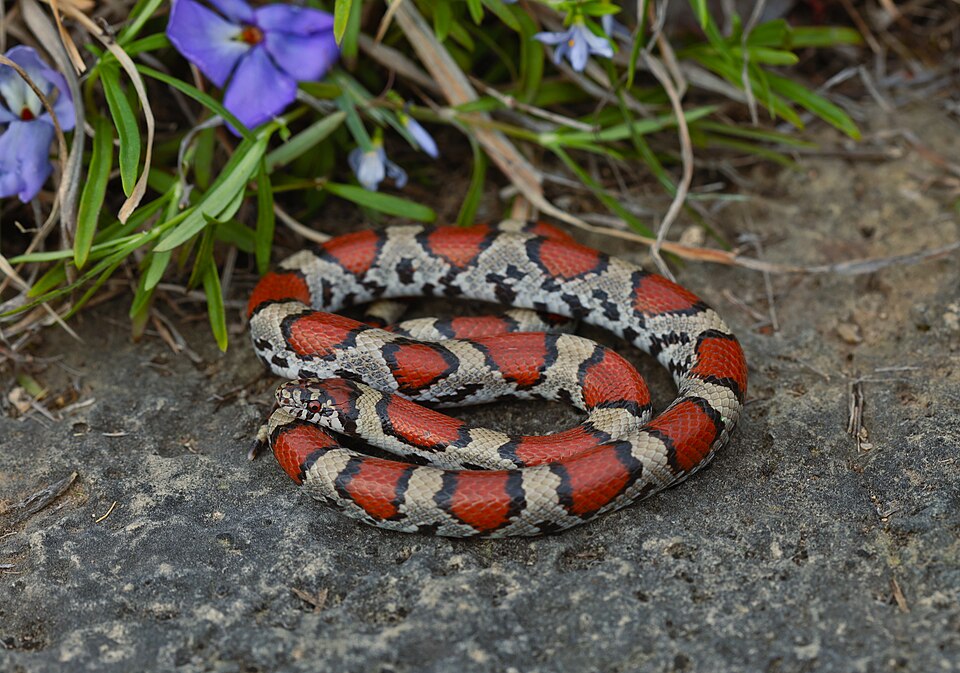
_-_Flickr_-_2ndPeter_(2).jpg)
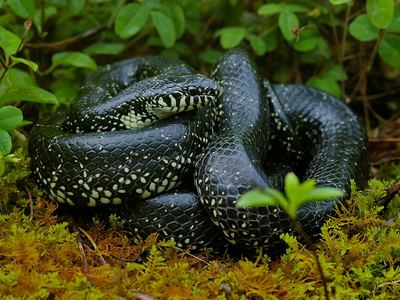
The milk snake or milksnake (Lampropeltis triangulum), is a species of kingsnake; there were once up to 24 subspecies recognized, however fewer are officially recognized today. Lampropeltis elapsoides, the scarlet kingsnake, was formerly classified as a 25th subspecies (L. t. elapsoides), but is now recognized as a distinct species.
From Wikipedia: Milk snake, text under CC BY-SA 4.0.
Is the eastern milksnake poisonous or venomous?
No. The eastern milksnake is non-venomous: it belongs to the family Colubridae, not to the pit vipers or coral snakes, the only U.S. land snakes with medically dangerous venom. It may bite if handled; clean the bite like any small wound.
Often mistaken for
The eastern milksnake is non-venomous, but people often take it for copperheads (both are recorded in 27 of its 40 states) and coral snakes (both are recorded in 9 of its 40 states).
Which states have the eastern milksnake?
Records are spread over 40 states; the top three, Pennsylvania, New York and Michigan, hold 32% of them.
| # | State | Records | Share of state snakes | Rank in state |
|---|---|---|---|---|
| 1 | Pennsylvania | 520 | 6.1% | 6th of 20 |
| 2 | New York | 330 | 5.5% | 3rd of 17 |
| 3 | Michigan | 285 | 5.5% | 5th of 17 |
| 4 | Kansas | 245 | 1.7% | 22nd of 44 |
| 5 | Ohio | 214 | 3.5% | 6th of 25 |
| 6 | Virginia | 207 | 1.9% | 14th of 30 |
| 7 | North Carolina | 172 | 0.8% | 28th of 39 |
| 8 | Texas | 148 | 0.4% | 50th of 86 |
| 9 | Massachusetts | 142 | 7.2% | 3rd of 13 |
| 10 | Indiana | 116 | 5.3% | 6th of 27 |
| 11 | Maryland | 110 | 3.0% | 10th of 20 |
| 12 | Connecticut | 94 | 8.1% | 4th of 14 |
| 13 | West Virginia | 90 | 5.5% | 5th of 18 |
| 14 | Vermont | 74 | 6.5% | 2nd of 9 |
| 15 | Tennessee | 62 | 2.4% | 14th of 32 |
| 16 | Illinois | 59 | 2.1% | 14th of 33 |
| 17 | Kentucky | 56 | 4.4% | 9th of 24 |
| 18 | Nebraska | 49 | 2.1% | 13th of 31 |
| 19 | New Hampshire | 49 | 8.4% | 3rd of 9 |
| 20 | Maine | 46 | 5.3% | 5th of 9 |
| 21 | Oklahoma | 44 | 0.3% | 43rd of 50 |
| 22 | Florida | 41 | 0.2% | 35th of 49 |
| 23 | Louisiana | 41 | 0.8% | 20th of 41 |
| 24 | New Jersey | 41 | 3.6% | 7th of 18 |
| 25 | South Dakota | 31 | 1.0% | 12th of 16 |
| 26 | Iowa | 29 | 2.8% | 12th of 22 |
| 27 | Wisconsin | 26 | 2.6% | 8th of 16 |
| 28 | Missouri | 25 | 1.3% | 22nd of 36 |
| 29 | Minnesota | 23 | 2.5% | 8th of 15 |
| 30 | Utah | 22 | 0.7% | 13th of 28 |
| 31 | Arkansas | 21 | 0.4% | 23rd of 36 |
| 32 | Alabama | 18 | 0.3% | 40th of 44 |
| 33 | Mississippi | 18 | 1.0% | 26th of 38 |
| 34 | South Carolina | 15 | 0.4% | 37th of 40 |
| 35 | Delaware | 13 | 1.9% | 9th of 14 |
| 36 | Georgia | 13 | 0.2% | 34th of 44 |
| 37 | Arizona | 10 | 0.0% | 58th of 60 |
| 38 | Colorado | 8 | 0.2% | 20th of 26 |
| 39 | New Mexico | 8 | 0.1% | 45th of 56 |
| 40 | Rhode Island | 4 | 2.0% | 5th of 10 |
When is the eastern milksnake seen?
Across the U.S., observation records of the eastern milksnake run mostly May through October, peaking in June with 29% of them. Almost none are from December to February.
Season by state
Among states whose main season falls within one calendar year, it starts earliest in March (Tennessee) and latest in May (Indiana, Maryland, Massachusetts, New Hampshire, New York, Ohio and Vermont). The most common peak month is June, shared by Illinois, Indiana, Maryland, Massachusetts, New Hampshire, New York and Vermont.
| State | Main season | Peak month | Observation records |
|---|---|---|---|
| New York | May through September | June | 127 |
| Massachusetts | May through October | June | 117 |
| Ohio | May through October | May | 110 |
| Pennsylvania | April through September | May | 108 |
| Vermont | May through September | June | 69 |
| Kentucky | April through October | May | 46 |
| Maryland | May through October | June | 38 |
| Virginia | April through October | May | 38 |
| Tennessee | March through August | May | 37 |
| Indiana | May through August | June | 36 |
| New Hampshire | May through October | June | 33 |
| Illinois | April through October | June | 30 |
Where the eastern milksnake is recorded in each state
Pennsylvania
Pennsylvania holds 520 licensed records, the 6th most recorded of 20 snakes listed there. Its observation records in Pennsylvania run mostly April through September, peaking in May; most licensed records come from Allegheny County, Centre County and Crawford County. Next come Westmoreland County (20) and Montgomery County (19).
New York
New York holds 330 licensed records, the 3rd most recorded of 17 snakes listed there. Its observation records in New York run mostly May through September, peaking in June; most licensed records come from Tompkins County, Ulster County and Dutchess County. Next come Chemung County (18) and Tioga County (12).
Michigan
Michigan holds 285 licensed records, the 5th most recorded of 17 snakes listed there. Most of its licensed records in Michigan come from Washtenaw County, Isabella County and Cheboygan County. Next come Charlevoix County (20) and Oakland County (9).
Kansas
Kansas holds 245 licensed records, the 22nd most recorded of 44 snakes listed there. Most of its licensed records in Kansas come from Douglas County, Johnson County and Riley County. Next come Jefferson County (10) and Cheyenne County (9).
Ohio
Ohio holds 214 licensed records, the 6th most recorded of 25 snakes listed there. Its observation records in Ohio run mostly May through October, peaking in May; most licensed records come from Summit County, Scioto County and Franklin County. Next come Cuyahoga County (8) and Portage County (7).
Virginia
Virginia holds 207 licensed records, the 14th most recorded of 30 snakes listed there. Its observation records in Virginia run mostly April through October, peaking in May; most licensed records come from Highland County, Augusta County and Madison County. Next come Fauquier County (14) and Loudoun County (9).
North Carolina
North Carolina holds 172 licensed records, the 28th most recorded of 39 snakes listed there. Most of its licensed records in North Carolina come from Watauga County, Macon County and Graham County. Next come Beaufort County (6) and Rutherford County (6).
Texas
Texas holds 148 licensed records, the 50th most recorded of 86 snakes listed there. Most of its licensed records in Texas come from Brazos County, McMullen County and Val Verde County. Next come Hardin County (6) and Jim Hogg County (5).
Massachusetts
Massachusetts holds 142 licensed records, the 3rd most recorded of 13 snakes listed there. Its observation records in Massachusetts run mostly May through October, peaking in June; most licensed records come from Middlesex County, Worcester County and Essex County. Next come Norfolk County (14) and Barnstable County (12).
Indiana
Indiana holds 116 licensed records, the 6th most recorded of 27 snakes listed there. Its observation records in Indiana run mostly May through August, peaking in June; most licensed records come from Brown County, Newton County and Monroe County. Next come Wells County (8) and Morgan County (6).
Maryland
Maryland holds 110 licensed records, the 10th most recorded of 20 snakes listed there. Its observation records in Maryland run mostly May through October, peaking in June; most licensed records come from Garrett County, Montgomery County and Baltimore County. Next come Frederick County (9) and Washington County (7).
Connecticut
Connecticut holds 94 licensed records, the 4th most recorded of 14 snakes listed there. Most of its licensed records in Connecticut come from New Haven County, Fairfield County and Litchfield County. Next come Middlesex County (10) and Hartford County (7).
West Virginia
West Virginia holds 90 licensed records, the 5th most recorded of 18 snakes listed there. Most of its licensed records in West Virginia come from Randolph County, Preston County and Pocahontas County. Next come Tucker County (10) and Grant County (3).
Vermont
Vermont holds 74 licensed records, the 2nd most recorded of 9 snakes listed there. Its observation records in Vermont run mostly May through September, peaking in June; most licensed records come from Windsor County, Chittenden County and Orange County. Next come Rutland County (12) and Windham County (9).
Tennessee
Tennessee holds 62 licensed records, the 14th most recorded of 32 snakes listed there. Its observation records in Tennessee run mostly March through August, peaking in May; most licensed records come from Stewart County, Monroe County and Sevier County. Next come Davidson County (3) and DeKalb County (3).
Illinois
Illinois holds 59 licensed records, the 14th most recorded of 33 snakes listed there. Its observation records in Illinois run mostly April through October, peaking in June; most licensed records come from Cook County, Jersey County and Iroquois County. Next come Kankakee County (6) and Woodford County (5).
Kentucky
Kentucky holds 56 licensed records, the 9th most recorded of 24 snakes listed there. Its observation records in Kentucky run mostly April through October, peaking in May; most licensed records come from Fayette County, Madison County and Hickman County. Next come Trigg County (3) and Garrard County (2).
Nebraska
Nebraska holds 49 licensed records, the 13th most recorded of 31 snakes listed there. Most of its licensed records in Nebraska come from Thayer County, Cherry County and Cass County. Next come Keith County (2) and Knox County (2).
New Hampshire
New Hampshire holds 49 licensed records, the 3rd most recorded of 9 snakes listed there. Its observation records in New Hampshire run mostly May through October, peaking in June; most licensed records come from Cheshire County, Hillsborough County and Grafton County. Next come Belknap County (5) and Rockingham County (5).
Maine
Maine holds 46 licensed records, the joint 5th most recorded of 9 snakes listed there. Most of its licensed records in Maine come from Hancock County, York County and Waldo County. Next come Cumberland County (5) and Lincoln County (5).
Oklahoma
Oklahoma holds 44 licensed records, the 43rd most recorded of 50 snakes listed there. Most of its licensed records in Oklahoma come from LeFlore County, Atoka County and Cherokee County. Next come Pushmataha County (3) and Choctaw County (2).
Florida
Florida holds 41 licensed records, the 35th most recorded of 49 snakes listed there. Most of its licensed records in Florida come from Gulf County, Palm Beach County and Alachua County. Next come Collier County (3) and Liberty County (3).
Louisiana
Louisiana holds 41 licensed records, the joint 20th most recorded of 41 snakes listed there. Most of its licensed records in Louisiana come from Saint Tammany Parish, Livingston Parish and Jefferson Parish. Next come Morehouse Parish (3) and Plaquemines Parish (3).
New Jersey
New Jersey holds 41 licensed records, the joint 7th most recorded of 18 snakes listed there. Most of its licensed records in New Jersey come from Hunterdon County, Morris County and Somerset County. Next come Atlantic County (6) and Sussex County (3).
South Dakota
South Dakota holds 31 licensed records, the joint 12th most recorded of 16 snakes listed there. Most of its licensed records in South Dakota come from Custer County, Clay County and Hughes County. Next come Charles Mix County (2) and Lyman County (2).
Top counties in the U.S.
| # | County | State | Records | Share of U.S. |
|---|---|---|---|---|
| 1 | Tompkins County | New York | 73 | 2.1% |
| 2 | Allegheny County | Pennsylvania | 65 | 1.8% |
| 3 | Washtenaw County | Michigan | 50 | 1.4% |
| 4 | Summit County | Ohio | 50 | 1.4% |
| 5 | New Haven County | Connecticut | 42 | 1.2% |
| 6 | Douglas County | Kansas | 41 | 1.2% |
| 7 | Garrett County | Maryland | 40 | 1.1% |
| 8 | Middlesex County | Massachusetts | 39 | 1.1% |
| 9 | Ulster County | New York | 38 | 1.1% |
| 10 | Highland County | Virginia | 37 | 1.0% |
| 11 | Isabella County | Michigan | 32 | 0.9% |
| 12 | Centre County | Pennsylvania | 27 | 0.8% |
| 13 | Cheboygan County | Michigan | 26 | 0.7% |
| 14 | Watauga County | North Carolina | 26 | 0.7% |
| 15 | Worcester County | Massachusetts | 25 | 0.7% |
How recent are the eastern milksnake records?
The eastern milksnake record leans on older material: only 28% of dated U.S. records come from 2017–2026, and the median record is from 1979. The oldest dated record is from 1860; the busiest year was 2025, with 152 records.
| Decade | Records | Share |
|---|---|---|
| 1860s | 5 | 0.1% |
| 1870s | 10 | 0.3% |
| 1880s | 10 | 0.3% |
| 1890s | 23 | 0.7% |
| 1900s | 72 | 2.2% |
| 1910s | 71 | 2.1% |
| 1920s | 99 | 3.0% |
| 1930s | 316 | 9.5% |
| 1940s | 285 | 8.5% |
| 1950s | 294 | 8.8% |
| 1960s | 272 | 8.1% |
| 1970s | 246 | 7.4% |
| 1980s | 243 | 7.3% |
| 1990s | 151 | 4.5% |
| 2000s | 184 | 5.5% |
| 2010s | 244 | 7.3% |
| 2020s | 813 | 24.4% |
Species recorded in the same counties
Of the 305 counties where the eastern milksnake is most recorded, 171 are also top counties for the common garter snake, more than for any other snake. Venomous species among its neighbors: the eastern copperhead.
| Species | Shared counties |
|---|---|
| Common garter snake | 171 |
| Ring-necked snake | 160 |
| Northern water snake | 142 |
| Eastern racer | 133 |
| DeKay's brown snake | 124 |
| Eastern rat snake | 104 |
| Red-bellied snake | 86 |
| Eastern copperhead venomous | 82 |
Related species in the U.S.
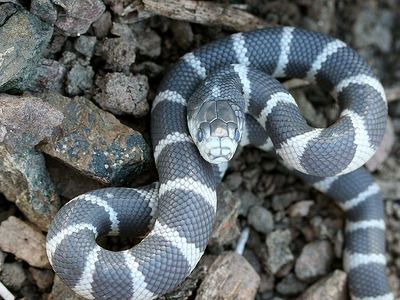
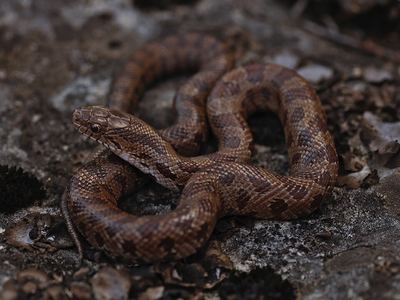
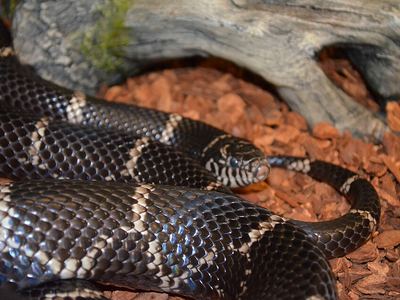
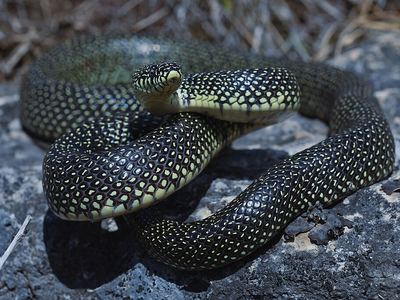
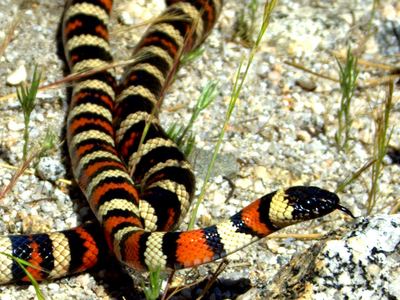
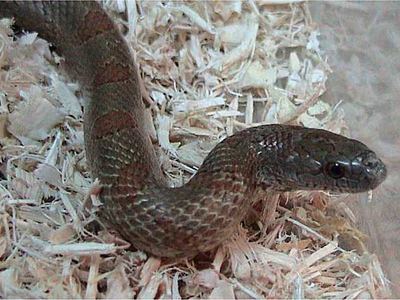
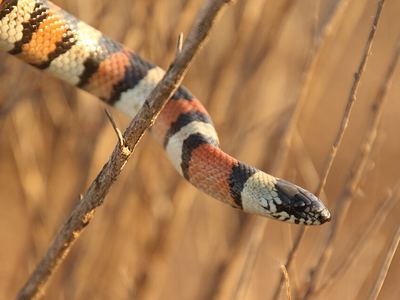
Other species of the genus Lampropeltis with profiles here: California kingsnake, Prairie kingsnake, Eastern kingsnake, Speckled kingsnake, California mountain kingsnake, Mole kingsnake, Central plains milksnake and Eastern black kingsnake.
GBIF records read 2026-09-29. Listed: any license. Counted: CC0/CC BY only. How we count.