Snakes and spiders in Okeechobee County, Florida
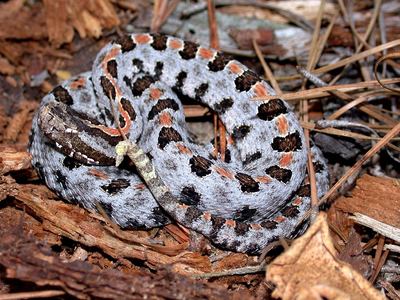
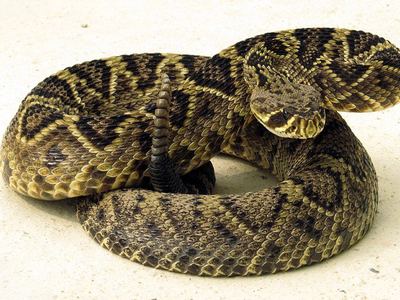
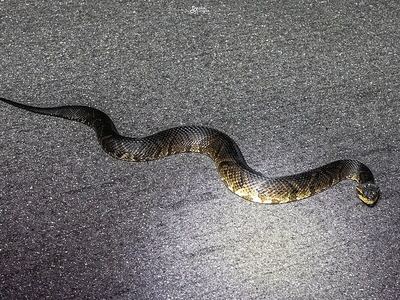
Okeechobee County, home of Okeechobee, has 14 snake and 14 spider species on record, from 55 licensed snake and 393 spider records. Venomous species here: the pygmy rattlesnake, the eastern diamondback rattlesnake and the Florida cottonmouth.
Are there venomous snakes or spiders in Okeechobee County?
Yes. The pygmy rattlesnake: 4 licensed records, 1% of all Florida records of it. The eastern diamondback rattlesnake: 2 licensed records, 1% of all Florida records of it. The Florida cottonmouth: 1 licensed record, 0% of all Florida records of it.
What snakes are in Okeechobee County?
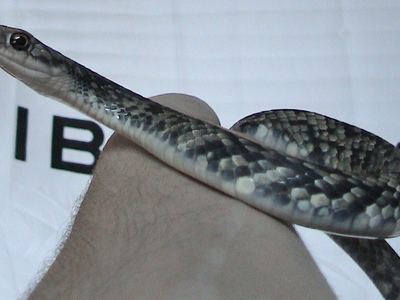
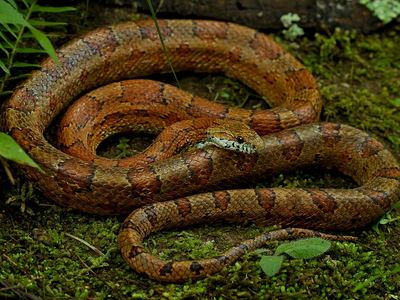
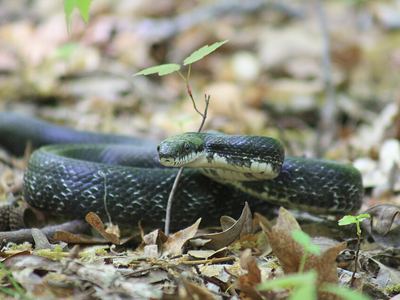
In all, 14 snake species are on the Okeechobee County list. The most recorded are the southern watersnake (7), the eastern racer (5) and the corn snake (4).
| # | Species | Records | Share of Florida records |
|---|---|---|---|
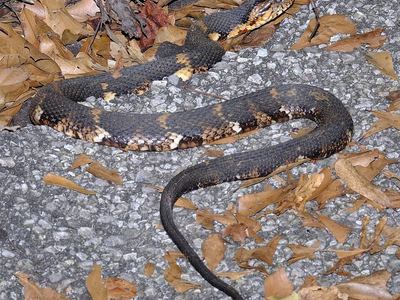
| 1 | Southern watersnake Nerodia fasciata | 7 | 0% |
| 2 | Eastern racer Coluber constrictor | 5 | 0% |
| 3 | Corn snake Pantherophis guttatus | 4 | 1% |
| 4 | Pygmy rattlesnake venomous Sistrurus miliarius | 4 | 1% |
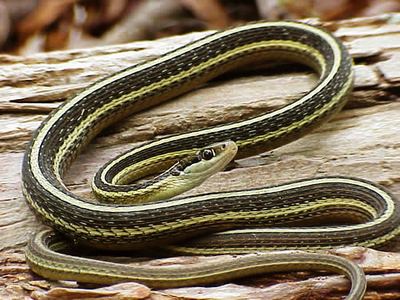
| 5 | Eastern ribbonsnake Thamnophis saurita | 3 | 0% |
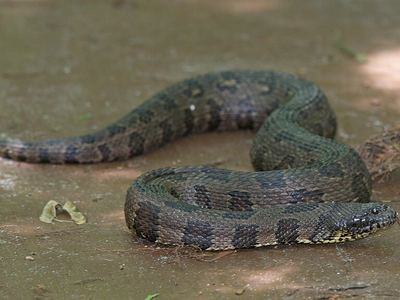
| 6 | Brown water snake Nerodia taxispilota | 2 | 1% |
| 7 | Eastern diamondback rattlesnake venomous Crotalus adamanteus | 2 | 1% |
| 8 | Eastern rat snake Pantherophis alleghaniensis | 2 | 2% |
| 9 | Florida green water snake Nerodia floridana | 2 | 0% |
| 10 | Rough greensnake Opheodrys aestivus | 2 | 1% |
| 11 | Common garter snake Thamnophis sirtalis | 1 | 0% |
| 12 | Florida cottonmouth venomous Agkistrodon conanti | 1 | 0% |
| 13 | Ring-necked snake Diadophis punctatus | 1 | 0% |
| 14 | Striped crayfish snake Liodytes alleni | — | — |
What spiders are in Okeechobee County?
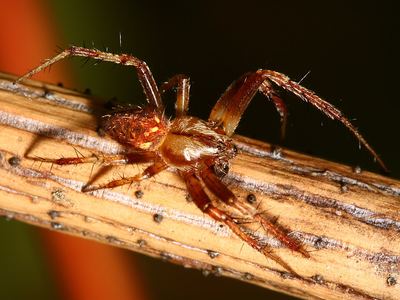
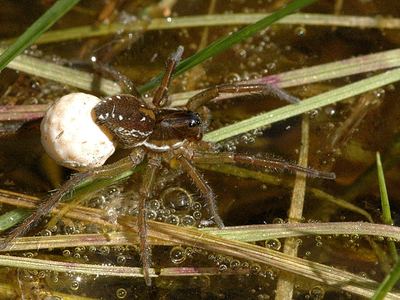
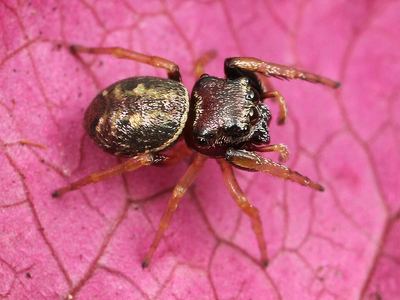
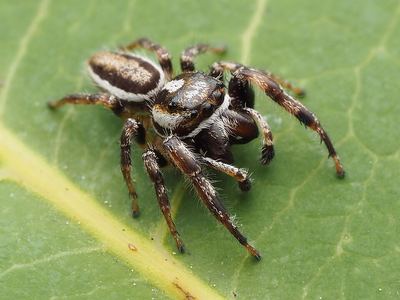
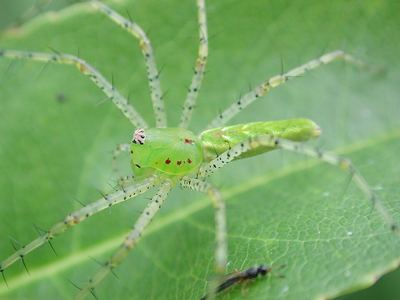
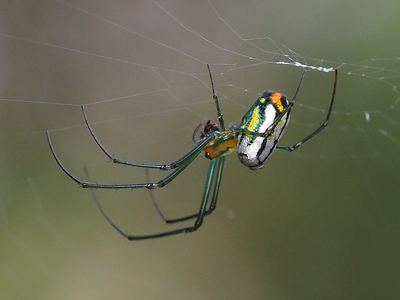
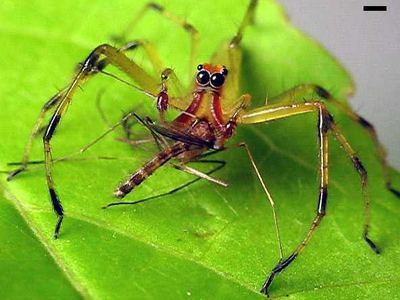
In all, 14 spider species are on the Okeechobee County list. The most recorded are the arabesque orbweaver (15), Pirata suwaneus (12) and the celer crab spider (11).
 Related species: Pirata piraticus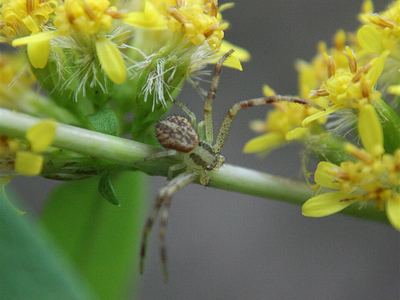
| # | Species | Records | Share of Florida records |
|---|---|---|---|
| 1 | Arabesque orbweaver Neoscona arabesca | 15 | 8% |
| 2 | Pirata suwaneus | 12 | 40% |
| 3 | Celer crab spider Mecaphesa celer | 11 | 28% |
| 4 | Zygoballus sexpunctatus | 10 | 40% |
| 5 | Eris flava | 8 | 44% |
| 6 | Green lynx spider Peucetia viridans | 8 | 2% |
| 7 | Leucauge argyrobapta | 6 | 1% |
| 8 | Magnolia green jumper Lyssomanes viridis | 6 | 2% |
| 9 | Regal jumper Phidippus regius | 6 | 3% |
| 10 | Spiny-backed orbweaver Gasteracantha cancriformis | 6 | 1% |
| 11 | Black-and-yellow argiope Argiope aurantia | 4 | 1% |
| 12 | American golden orb weaver Trichonephila clavipes | 1 | 0% |
| 13 | Gray wall jumper Menemerus bivittatus | 1 | 0% |
| 14 | Greater leucauge Leucauge argyra | 1 | 0% |
When are spiders out in Okeechobee County?
Observation records of spiders in Okeechobee County run mostly August through February, peaking in February with 64% of them; across Florida the peak is April.
What stands out in Okeechobee County
Species for which Okeechobee County holds a large share of all Florida records: Zygoballus sexpunctatus, 40% (10 of 25); Pirata suwaneus, 40% (12 of 30); the celer crab spider, 28% (11 of 39).
Common in Florida, not on the Okeechobee County list
Among the snakes most recorded across Florida, these do not reach the county list: the Burmese python (8,141 statewide) and the black swamp snake (431 statewide). Few records here can mean the species is rare in the county, or that few people have looked.
Among the spiders most recorded across Florida, these do not reach the county list: the tropical orb weaver (309 statewide) and the twin-flagged jumping spider (247 statewide). Few records here can mean the species is rare in the county, or that few people have looked.
Harmless lookalikes in Okeechobee County
No copperheads reach the county list, but the eastern copperhead is on the Florida list: treat any snake like it as venomous until identified. Harmless species often taken for them here: the corn snake and the eastern rat snake. Cottonmouths are on the county list, and so are harmless species often taken for them: the southern watersnake, the brown water snake and the Florida green water snake.
Okeechobee County among Florida counties
By licensed snake records Okeechobee County ranks 44th of 67 Florida counties with any.
Other Florida counties with their own page: Miami-Dade County, Collier County, Alachua County, Monroe County, Broward County, Lee County, Orange County and Marion County.
The whole state: venomous species in Florida, all snakes, all spiders.
GBIF records read 2026-09-29. Listed: any license. Counted: CC0/CC BY only. How we count.