Snakes and spiders in Palo Pinto County, Texas
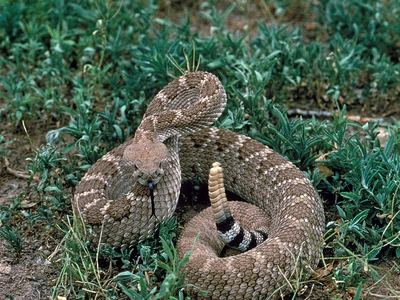
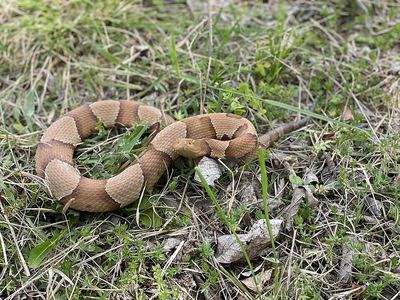
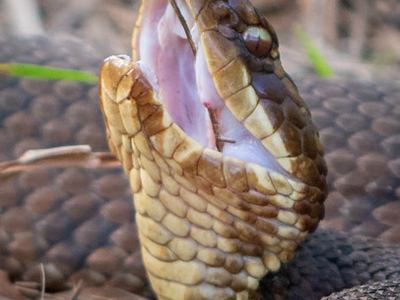
Palo Pinto County, home of Palo Pinto, has 20 snake and 6 spider species on record, from 646 licensed snake and 34 spider records. Venomous species here: the western diamondback rattlesnake, the broad-banded copperhead and the northern cottonmouth.
Are there venomous snakes or spiders in Palo Pinto County?
Yes. The western diamondback rattlesnake: 15 licensed records, 1% of all Texas records of it. The broad-banded copperhead: 11 licensed records, 3% of all Texas records of it. The northern cottonmouth: 2 licensed records, 0% of all Texas records of it.
What snakes are in Palo Pinto County?
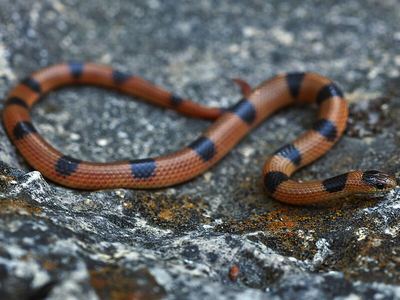
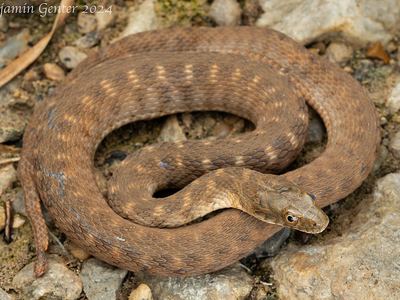
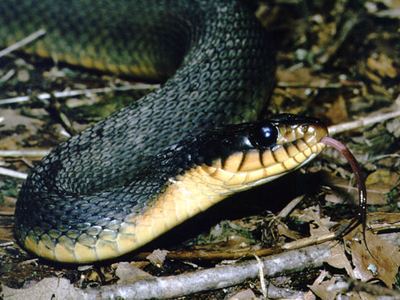
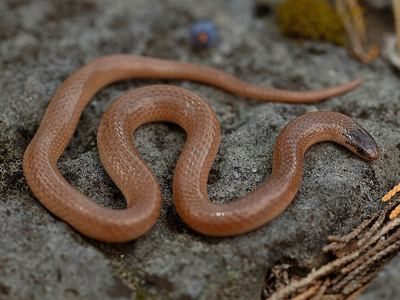
In all, 20 snake species are on the Palo Pinto County list. The most recorded are the western ground snake (348), the Brazos water snake (49) and the plain-bellied watersnake (25).
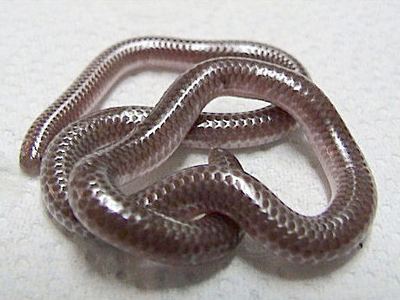
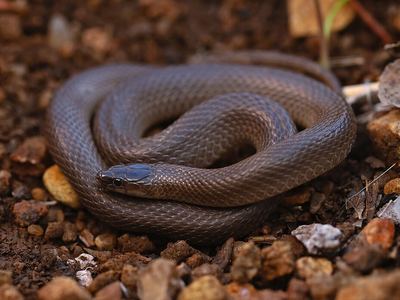
| # | Species | Records | Share of Texas records |
|---|---|---|---|
| 1 | Western ground snake Sonora semiannulata | 348 | 18% |
| 2 | Brazos water snake Nerodia harteri | 49 | 23% |
| 3 | Plain-bellied watersnake Nerodia erythrogaster | 25 | 1% |
| 4 | Flathead snake Tantilla gracilis | 23 | 2% |
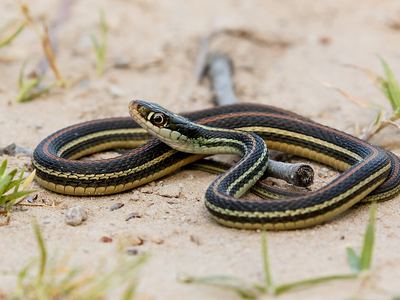
| 5 | Western ribbon snake Thamnophis proximus | 20 | 1% |
| 6 | Texas blind snake Rena dulcis | 18 | 2% |
| 7 | Western diamondback rattlesnake venomous Crotalus atrox | 15 | 1% |
| 8 | Rough earthsnake Haldea striatula | 13 | 1% |
| 9 | Coachwhip Masticophis flagellum | 12 | 1% |
| 10 | Diamondback water snake Nerodia rhombifer | 12 | 1% |
| 11 | Western rat snake Pantherophis obsoletus | 12 | 1% |
| 12 | Broad-banded copperhead venomous Agkistrodon laticinctus | 11 | 3% |
| 13 | Lined snake Tropidoclonion lineatum | 10 | 3% |
| 14 | DeKay's brown snake Storeria dekayi | 6 | 1% |
| 15 | Eastern racer Coluber constrictor | 5 | 1% |
| 16 | Rough greensnake Opheodrys aestivus | 4 | 0% |
| 17 | Eastern hog-nosed snake Heterodon platirhinos | 3 | 1% |
| 18 | Great Plains rat snake Pantherophis emoryi | 3 | 0% |
| 19 | Checkered garter snake Thamnophis marcianus | 2 | 0% |
| 20 | Northern cottonmouth venomous Agkistrodon piscivorus | 2 | 0% |
What spiders are in Palo Pinto County?
In all, 6 spider species are on the Palo Pinto County list. The most recorded are the black-and-yellow argiope (4), the green lynx spider (4) and the bold jumper (3).
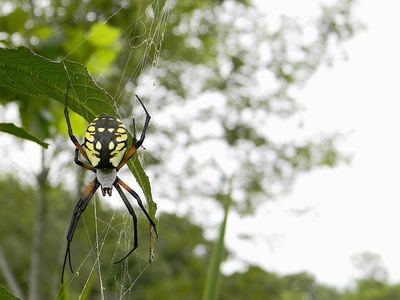
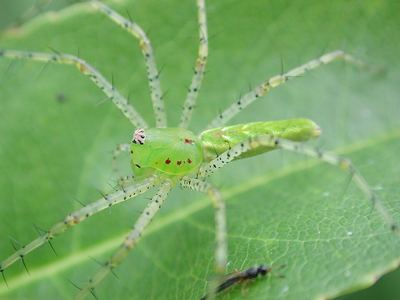
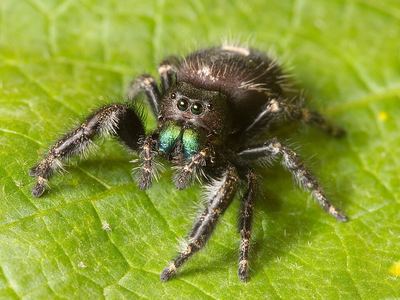
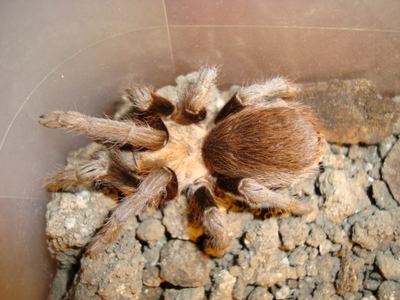
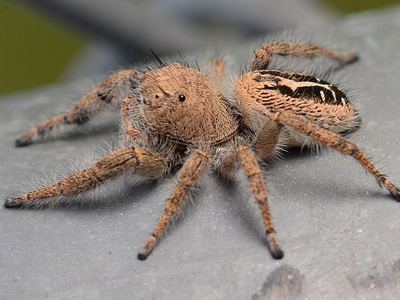
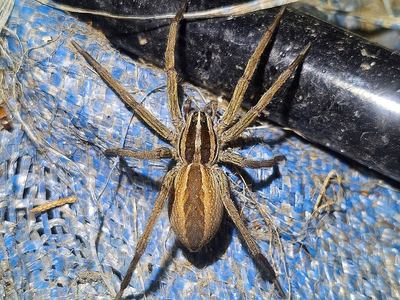
| # | Species | Records | Share of Texas records |
|---|---|---|---|
| 1 | Black-and-yellow argiope Argiope aurantia | 4 | 0% |
| 2 | Green lynx spider Peucetia viridans | 4 | 0% |
| 3 | Bold jumper Phidippus audax | 3 | 0% |
| 4 | Texas brown tarantula Aphonopelma hentzi | 3 | 1% |
| 5 | Phidippus texanus | — | — |
| 6 | Rabid wolf spider Rabidosa rabida | — | — |
When are spiders out in Palo Pinto County?
Observation records of spiders in Palo Pinto County run mostly March through September, peaking in July with 45% of them; across Texas the peak is April.
What stands out in Palo Pinto County
Species for which Palo Pinto County holds a large share of all Texas records: the Brazos water snake, 23% (49 of 217); the western ground snake, 18% (348 of 1,963).
Common in Texas, not on the Palo Pinto County list
Among the snakes most recorded across Texas, these do not reach the county list: the gopher snake (1,440 statewide) and the eastern copperhead (1,188 statewide). Few records here can mean the species is rare in the county, or that few people have looked.
Among the spiders most recorded across Texas, these do not reach the county list: Hogna antelucana (805 statewide), the spiny-backed orbweaver (751 statewide), the twin-flagged jumping spider (669 statewide), the striped lynx spider (579 statewide), the familiar jumping spider (518 statewide) and Cicurina varians (514 statewide). Few records here can mean the species is rare in the county, or that few people have looked.
Harmless lookalikes in Palo Pinto County
Copperheads are on the county list, and so are harmless species often taken for them: the plain-bellied watersnake and the eastern hog-nosed snake. Cottonmouths are on the county list, and so are harmless species often taken for them: the plain-bellied watersnake and the diamondback water snake. Rattlesnakes are on the county list, and so are harmless species often taken for them: the eastern hog-nosed snake and the Great Plains rat snake.
Palo Pinto County among Texas counties
By licensed snake records Palo Pinto County ranks 10th of 254 Texas counties with any.
Other Texas counties with their own page: Travis County, Brewster County, Harris County, Brazos County, El Paso County, Jeff Davis County, Val Verde County and Bexar County.
The whole state: venomous species in Texas, all snakes, all spiders.
GBIF records read 2026-09-29. Listed: any license. Counted: CC0/CC BY only. How we count.