Snakes and spiders in Eddy County, New Mexico
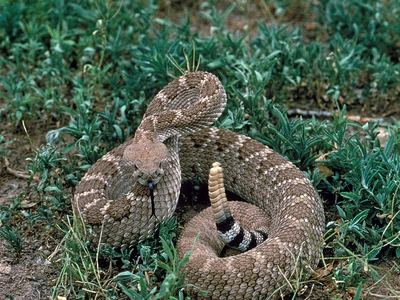
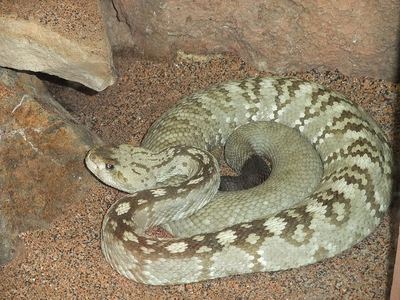
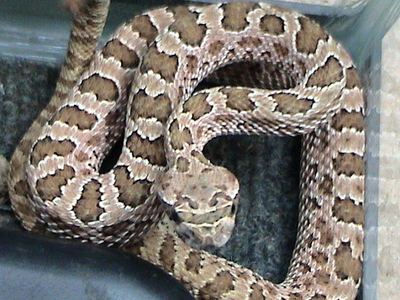
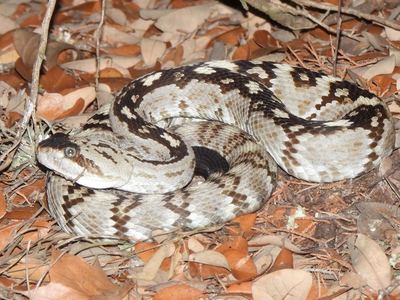
Eddy County, home of Carlsbad, has 29 snake and 8 spider species on record, from 986 licensed snake and 93 spider records. Venomous species here: the western diamondback rattlesnake, the black-tailed rattlesnake, the prairie rattlesnake, the eastern black-tailed rattlesnake, the rock rattlesnake and the western black widow.
Are there venomous snakes or spiders in Eddy County?
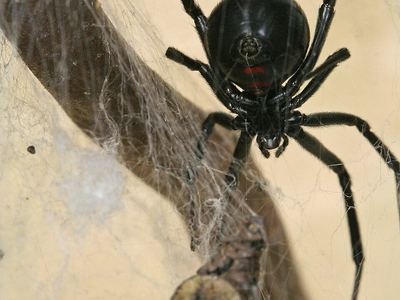
Yes. The western diamondback rattlesnake: 64 licensed records, 9% of all New Mexico records of it. The black-tailed rattlesnake: 14 licensed records, 9% of all New Mexico records of it. The prairie rattlesnake: 12 licensed records, 2% of all New Mexico records of it. The eastern black-tailed rattlesnake: 5 licensed records, 8% of all New Mexico records of it. The rock rattlesnake: 4 licensed records, 4% of all New Mexico records of it. The western black widow: 2 licensed records, 1% of all New Mexico records of it.
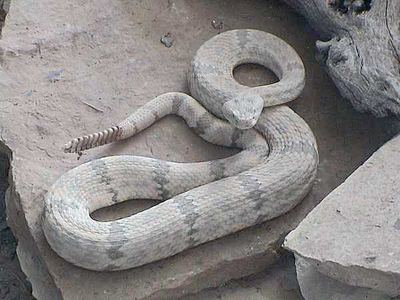
What snakes are in Eddy County?
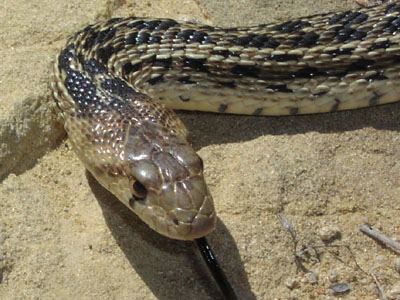
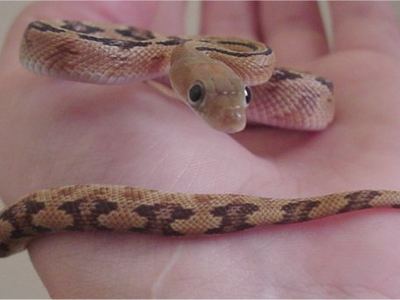
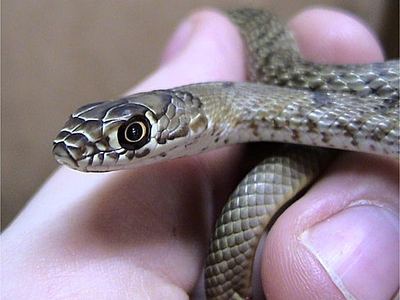
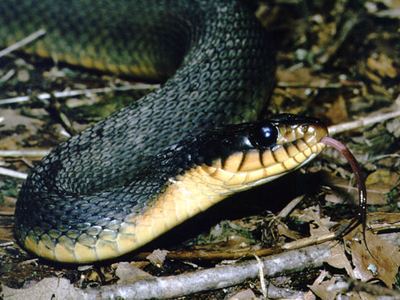
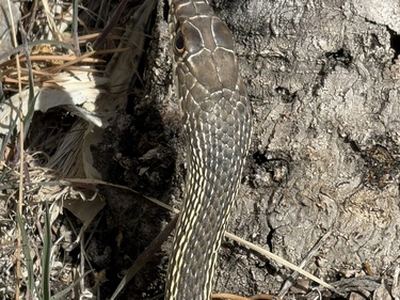
In all, 29 snake species are on the Eddy County list. The most recorded are the western diamondback rattlesnake (64), the gopher snake (47) and the checkered garter snake (30). Eddy County holds more than half of all New Mexico records of the Trans-Pecos rat snake, the plain-bellied watersnake, the Texas blind snake and the Great Plains rat snake.
| # | Species | Records | Share of New Mexico records |
|---|---|---|---|
| 1 | Western diamondback rattlesnake venomous Crotalus atrox | 64 | 9% |
| 2 | Gopher snake Pituophis catenifer | 47 | 7% |
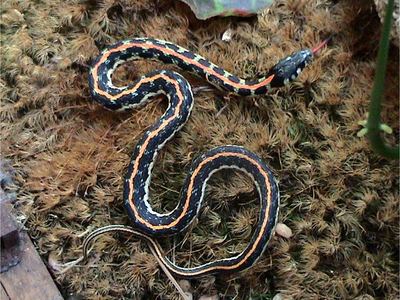
| 3 | Checkered garter snake Thamnophis marcianus | 30 | 24% |
| 4 | Trans-Pecos rat snake Bogertophis subocularis | 26 | 65% |
| 5 | Coachwhip Masticophis flagellum | 23 | 9% |
| 6 | Plain-bellied watersnake Nerodia erythrogaster | 23 | 100% |
| 7 | Striped whipsnake Masticophis taeniatus | 17 | 13% |
| 8 | Blackneck garter snake Thamnophis cyrtopsis | 15 | 7% |
| 9 | Eastern patch-nosed snake Salvadora grahamiae | 15 | 19% |
| 10 | Black-tailed rattlesnake venomous Crotalus molossus | 14 | 9% |
| 11 | Long-nosed snake Rhinocheilus lecontei | 14 | 8% |
| 12 | Prairie rattlesnake venomous Crotalus viridis | 12 | 2% |
| 13 | Texas blind snake Rena dulcis | 10 | 71% |
| 14 | Great Plains rat snake Pantherophis emoryi | 9 | 50% |
| 15 | Southwestern blackhead snake Tantilla hobartsmithi | 8 | 73% |
| 16 | Western ribbon snake Thamnophis proximus | 8 | 57% |
| 17 | Glossy snake Arizona elegans | 7 | 2% |
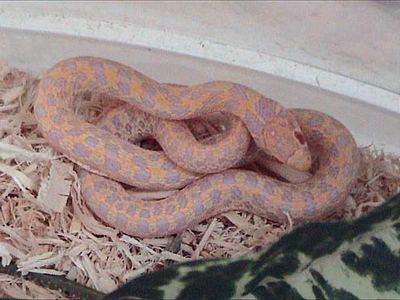
| 18 | Corn snake Pantherophis guttatus | 6 | 40% |
| 19 | Plains black-headed snake Tantilla nigriceps | 6 | 6% |
| 20 | Eastern black-tailed rattlesnake venomous Crotalus ornatus | 5 | 8% |
| 21 | Ring-necked snake Diadophis punctatus | 5 | 7% |
| 22 | Plains hog-nosed snake Heterodon nasicus | 4 | 6% |
| 23 | Rock rattlesnake venomous Crotalus lepidus | 4 | 4% |
| 24 | Western ground snake Sonora semiannulata | 4 | 12% |
| 25 | Chihuahuan hook-nosed snake Gyalopion canum | 3 | 9% |
| 26 | Desert kingsnake Lampropeltis splendida | 2 | 3% |
| 27 | Mexican hog-nose snake Heterodon kennerlyi | 2 | 4% |
| 28 | Chihuahuan night snake Hypsiglena jani | 1 | 2% |
| 29 | Great Plains ground snake Sonora episcopa | 1 | 33% |
When are snakes out in Eddy County?
Observation records of snakes in Eddy County run mostly April through October, peaking in May with 23% of them; across New Mexico the peak is August.
What spiders are in Eddy County?
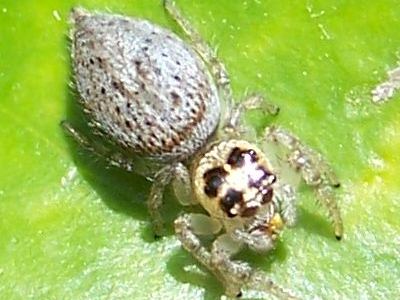
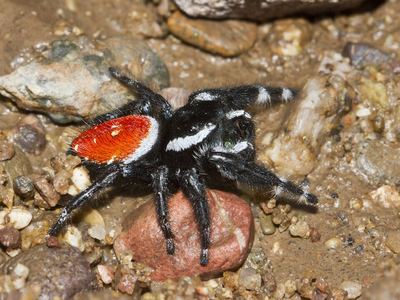
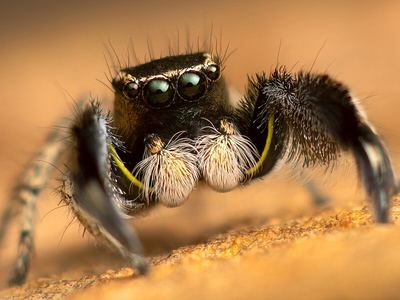
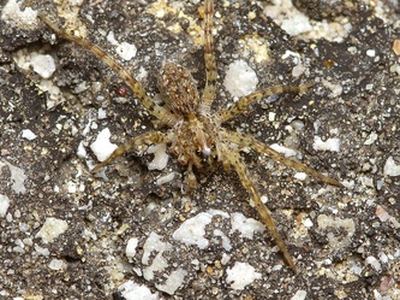
In all, 8 spider species are on the Eddy County list. The most recorded are the western spotted orbweaver (12), the Texas brown tarantula (11) and the Chiricahuan gray tarantula (7).
| # | Species | Records | Share of New Mexico records |
|---|---|---|---|
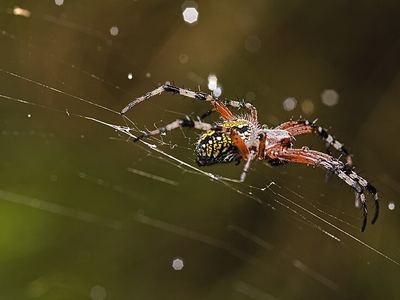
| 1 | Western spotted orbweaver Neoscona oaxacensis | 12 | 27% |
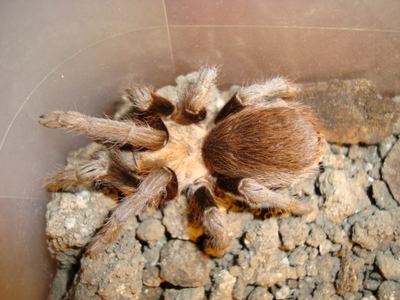
| 2 | Texas brown tarantula Aphonopelma hentzi | 11 | 20% |
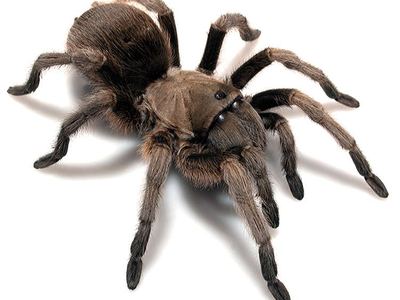
| 3 | Chiricahuan gray tarantula Aphonopelma gabeli | 7 | 41% |
| 4 | Colonus hesperus | 2 | 17% |
| 5 | Phidippus carneus | 2 | 4% |
| 6 | Western black widow venomous Latrodectus hesperus | 2 | 1% |
| 7 | Hirsute paradise spider Habronattus hirsutus | — | — |
| 8 | Hogna antelucana | — | — |
When are spiders out in Eddy County?
Observation records of spiders in Eddy County run mostly April through October, peaking in July with 33% of them; across New Mexico the peak is September.
What stands out in Eddy County
Species for which Eddy County holds a large share of all New Mexico records: the plain-bellied watersnake, 100% (23 of 23); the Trans-Pecos rat snake, 65% (26 of 40); the western spotted orbweaver, 27% (12 of 45); the checkered garter snake, 24% (30 of 126); the Texas brown tarantula, 20% (11 of 55); the eastern patch-nosed snake, 19% (15 of 77).
Common in New Mexico, not on the Eddy County list
Among the snakes most recorded across New Mexico, these do not reach the county list: the western terrestrial garter snake (656 statewide) and the Mohave rattlesnake (216 statewide). Few records here can mean the species is rare in the county, or that few people have looked.
Among the spiders most recorded across New Mexico, these do not reach the county list: the hairy tufted jumping spider (48 statewide), the bold jumper (41 statewide), Hogna coloradensis (40 statewide), Habronattus klauseri (32 statewide), the Apache jumping spider (30 statewide) and the banded garden spider (25 statewide). Few records here can mean the species is rare in the county, or that few people have looked.
Harmless lookalikes in Eddy County
No copperheads reach the county list, and GBIF holds no copperhead record for New Mexico under any license, so one reported here is most likely a harmless lookalike: the plain-bellied watersnake and the corn snake. No cottonmouths reach the county list, and GBIF holds no cottonmouth record for New Mexico under any license, so one reported here is most likely a harmless lookalike: the plain-bellied watersnake. Rattlesnakes are on the county list, and so are harmless species often taken for them: the gopher snake, the Great Plains rat snake and the plains hog-nosed snake. No coral snakes reach the county list, but the Sonoran coralsnake is on the New Mexico list: treat any snake like it as venomous until identified. Harmless species often taken for them here: the long-nosed snake.
Eddy County among New Mexico counties
By licensed snake records Eddy County ranks 2nd of 33 New Mexico counties with any.
Other New Mexico counties with their own page: Hidalgo County, Doña Ana County, Grant County and Bernalillo County.
The whole state: venomous species in New Mexico, all snakes, all spiders.
GBIF records read 2026-09-29. Listed: any license. Counted: CC0/CC BY only. How we count.