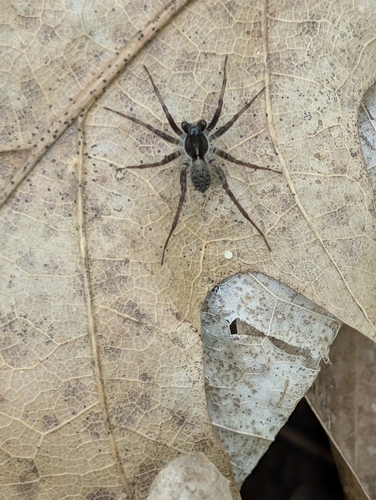
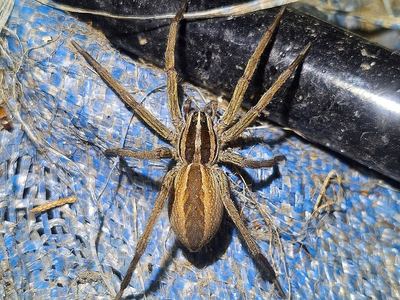
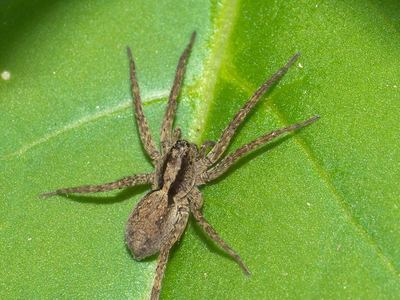
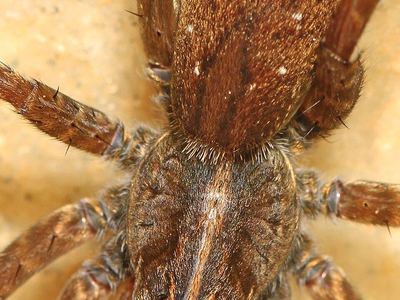
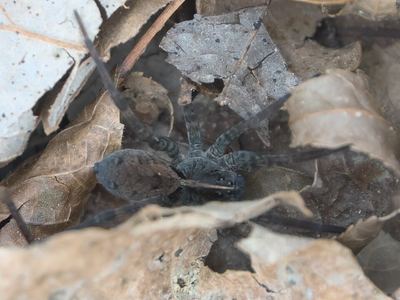
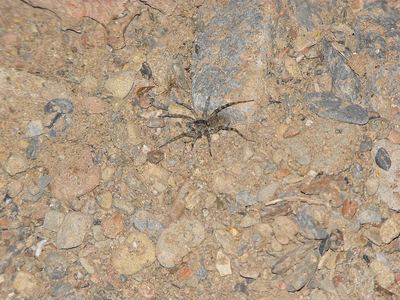
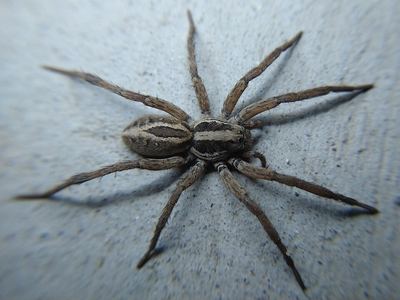
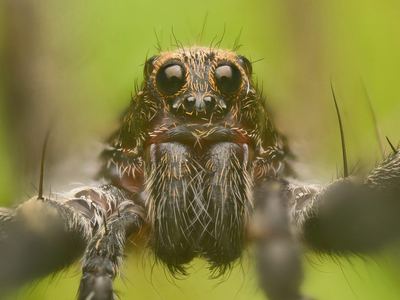
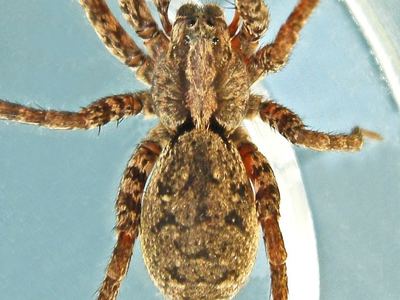
The shiny wolf spider (genus Pardosa) is a spider in the family Lycosidae that is not dangerous to people. Among the 13 wolf spiders profiled here, it ranks 12th by number of states listed, level with one other. Most of its 11 listed states are in the East North Central (4) and New England (2) census divisions. None is in the South.
Bitten? Call 911 for a venomous snakebite or any bite with trouble breathing. For advice on any bite or sting, call Poison Help at 1-800-222-1222 (free, 24/7, U.S.-wide). Do not cut the wound, suck out venom or use a tourniquet. General information, not medical advice. Do not handle or try to identify a snake or spider by this page; if unsure, treat it as venomous.
Is the shiny wolf spider poisonous or venomous?
Not in any medically significant way. Like almost all spiders the shiny wolf spider (family Lycosidae) has venom for its prey, but it is not a widow or recluse, the two U.S. groups whose bites need medical attention.
Which states have the shiny wolf spider?
Only 1% of its wild records are field observations by people; the rest are specimens and other record types.
Source: GBIF, read 2026-11-05. A state is listed once GBIF holds at least 10 records of the species there under any license; Records counts only CC0 and CC BY records, so a listed state can show fewer.
Where the shiny wolf spider is recorded in each state
Denali Borough (114), Fairbanks North Star Borough (26), Prince of Wales-Outer Ketchikan Census Area (23), Anchorage Municipality (16) and Skagway-Yakutat-Angoon Census Area (13)
A species is listed for a state once GBIF holds at least 10 records of it located inside the state by coordinates, under any license. Every count, share, month and county shown is computed only from records published under CC0 or CC BY, so a listed species can show few or no counted records. Monthly patterns show when people record spiders, which also reflects when people are outdoors. Venomous status follows taxonomy: pit vipers and coral snakes; widow and recluse spiders; the Arizona bark scorpion. Records filed under older names count for the species they belong to today. Full methodology.