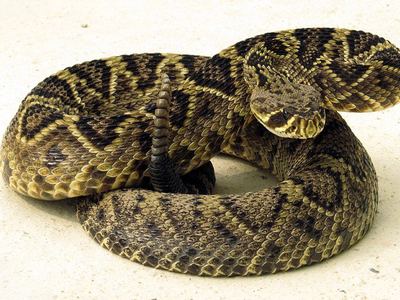
Red diamond rattlesnake (Crotalus ruber)
The red diamond rattlesnake is a venomous pit viper in the family Viperidae. GBIF holds 918 licensed U.S. records of it; it reaches our listing threshold in 1 state, most of all California (916). Its observation records peak in April.
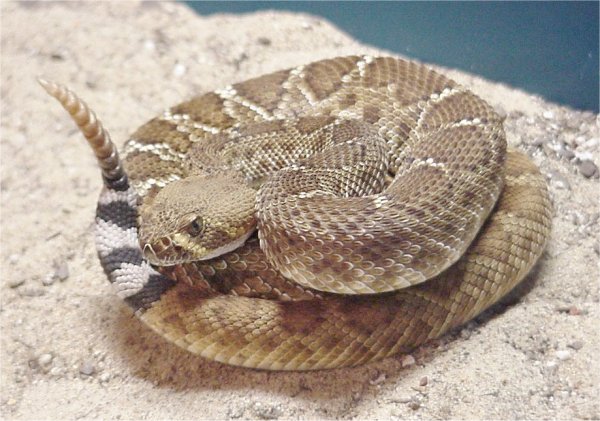

Common names: red diamond rattlesnake, red rattlesnake, red diamond snake, more Crotalus ruber is a venomous pit viper species found in southwestern California in the United States and Baja California in Mexico. Three subspecies are currently recognized, including the nominate subspecies described here.
From Wikipedia: Crotalus ruber, text under CC BY-SA 4.0.
Is the red diamond rattlesnake poisonous or venomous?
Yes. The red diamond rattlesnake is a pit viper (family Viperidae), like every rattlesnake, copperhead and cottonmouth in the U.S. Its bite needs emergency care: call 911 and keep the bitten limb still. Antivenom is given in hospital.
Snakes often mistaken for it
Species commonly confused with rattlesnakes and recorded in the same states: gopher snake (recorded in the same state).
Which states have the red diamond rattlesnake?
All listed records come from a single state, California, with 916 records.
| # | State | Records | Share of state snakes | Rank in state |
|---|---|---|---|---|
| 1 | California | 916 | 1.2% | 18th of 46 |
When is the red diamond rattlesnake seen?
Across the U.S., observation records of the red diamond rattlesnake run mostly March through September, peaking in April with 27% of them. Winter (December to February) holds 4% of them.
How recent are the red diamond rattlesnake records?
The red diamond rattlesnake record leans on older material: only 27% of dated U.S. records come from 2017–2026, and the median record is from 1963. The oldest dated record is from 1875; the busiest year was 1931, with 39 records.
| Decade | Records | Share |
|---|---|---|
| 1870s | 1 | 0.1% |
| 1890s | 6 | 0.7% |
| 1900s | 9 | 1.0% |
| 1910s | 1 | 0.1% |
| 1920s | 55 | 6.2% |
| 1930s | 177 | 19.9% |
| 1940s | 78 | 8.8% |
| 1950s | 99 | 11.1% |
| 1960s | 79 | 8.9% |
| 1970s | 25 | 2.8% |
| 1980s | 30 | 3.4% |
| 1990s | 13 | 1.5% |
| 2000s | 17 | 1.9% |
| 2010s | 110 | 12.4% |
| 2020s | 188 | 21.2% |
Species recorded in the same counties
Of the 8 counties where the red diamond rattlesnake is most recorded, 8 are also top counties for the California kingsnake, more than for any other snake.
| Species | Shared counties |
|---|---|
| California kingsnake | 8 |
| Gopher snake | 7 |
| Western rattlesnake venomous | 7 |
| Coachwhip | 6 |
| Glossy snake | 6 |
| Northern three-lined boa | 6 |
| Rosy boa | 6 |
| Western black-headed snake | 6 |
Related species in the U.S.
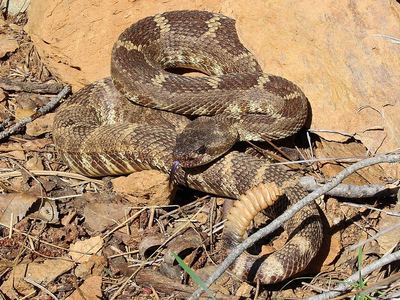
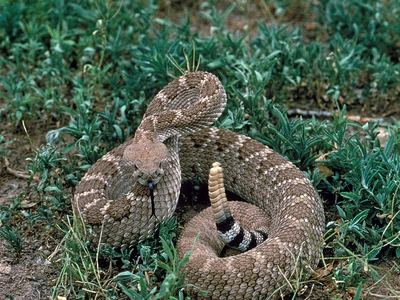
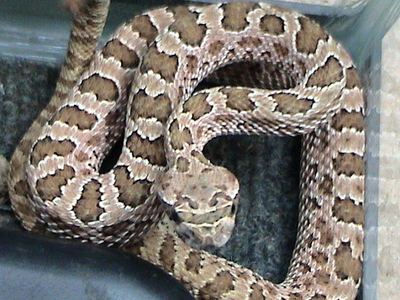
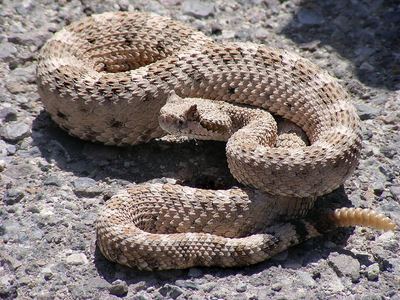
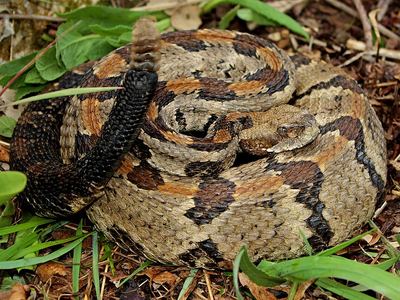
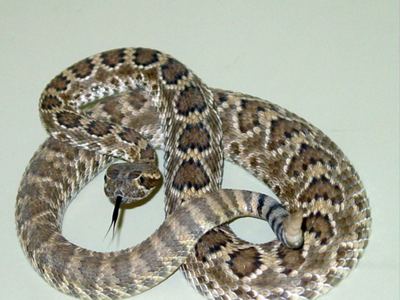
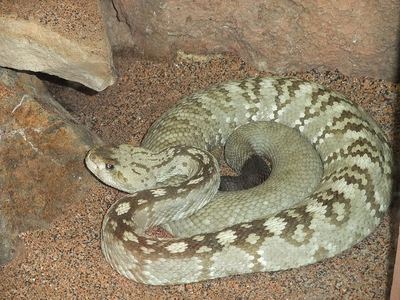
Other species of the genus Crotalus with profiles here: Western rattlesnake, Western diamondback rattlesnake, Prairie rattlesnake, Sidewinder, Timber rattlesnake, Mohave rattlesnake, Black-tailed rattlesnake and Eastern diamondback rattlesnake.
GBIF records read 2026-09-29. Listed: any license. Counted: CC0/CC BY only. How we count.