Snakes and spiders in Cheatham County, Tennessee
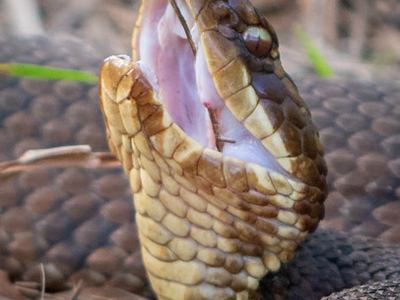
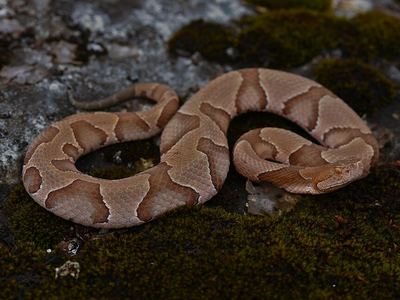
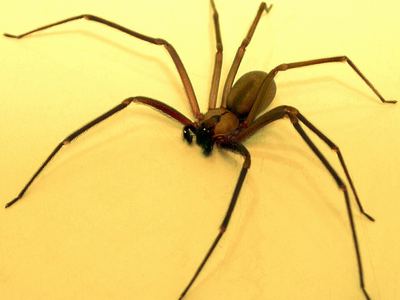
Cheatham County, home of Ashland City, has 16 snake and 4 spider species on record, from 335 licensed snake and 92 spider records. Venomous species here: the northern cottonmouth, the eastern copperhead and the brown recluse.
Are there venomous snakes or spiders in Cheatham County?
Yes. The northern cottonmouth: 76 licensed records, 55% of all Tennessee records of it. The eastern copperhead: 2 licensed records, 1% of all Tennessee records of it. The brown recluse: on record, no openly licensed records to count.
What snakes are in Cheatham County?
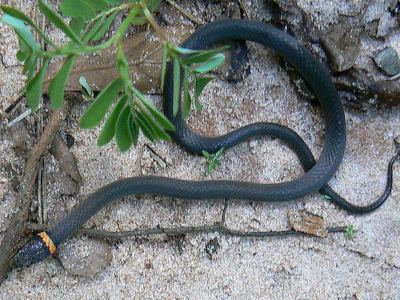
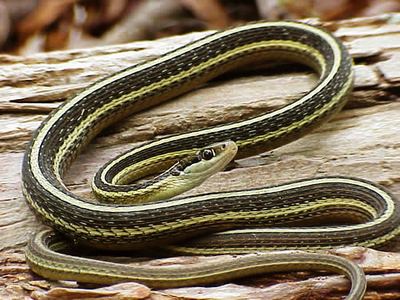
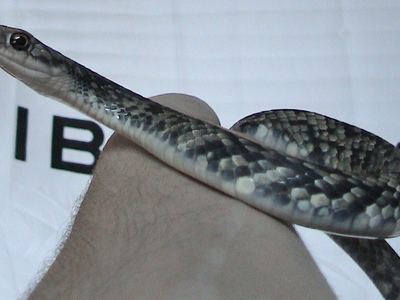
In all, 16 snake species are on the Cheatham County list. The most recorded are the ring-necked snake (102), the northern cottonmouth (76) and the northern water snake (37). Cheatham County holds more than half of all Tennessee records of the northern cottonmouth and the eastern ribbonsnake.
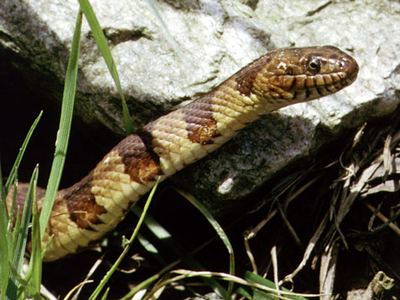
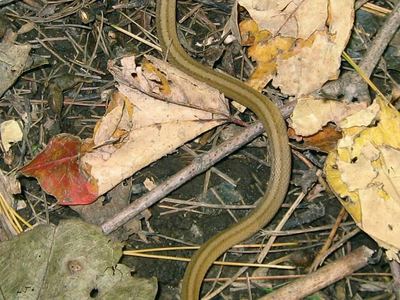
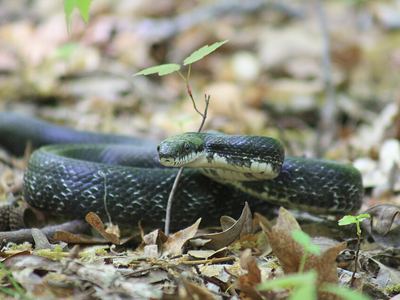
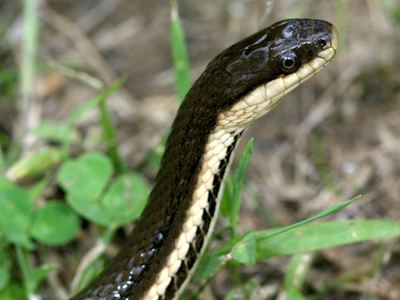
| # | Species | Records | Share of Tennessee records |
|---|---|---|---|
| 1 | Ring-necked snake Diadophis punctatus | 102 | 29% |
| 2 | Northern cottonmouth venomous Agkistrodon piscivorus | 76 | 55% |
| 3 | Northern water snake Nerodia sipedon | 37 | 11% |
| 4 | DeKay's brown snake Storeria dekayi | 20 | 17% |
| 5 | Eastern rat snake Pantherophis alleghaniensis | 18 | 8% |
| 6 | Queen snake Regina septemvittata | 17 | 27% |
| 7 | Eastern ribbonsnake Thamnophis saurita | 14 | 61% |
| 8 | Eastern racer Coluber constrictor | 10 | 8% |
| 9 | Plain-bellied watersnake Nerodia erythrogaster | 9 | 15% |
| 10 | Smooth earth snake Virginia valeriae | 9 | 16% |
| 11 | Eastern black kingsnake Lampropeltis nigra | 7 | 6% |
| 12 | Common garter snake Thamnophis sirtalis | 5 | 2% |
| 13 | Rough greensnake Opheodrys aestivus | 3 | 4% |
| 14 | Eastern copperhead venomous Agkistrodon contortrix | 2 | 1% |
| 15 | Eastern wormsnake Carphophis amoenus | 1 | 1% |
| 16 | Eastern milksnake Lampropeltis triangulum | — | — |
When are snakes out in Cheatham County?
Observation records of snakes in Cheatham County run mostly March through November, peaking in March with 29% of them; across Tennessee the peak is April.
What spiders are in Cheatham County?
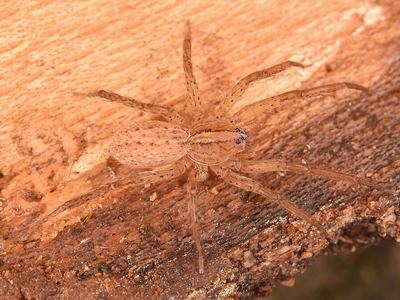
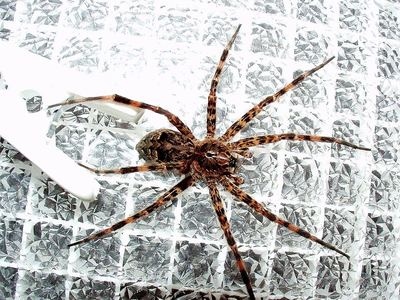
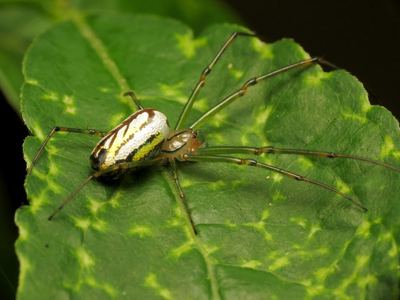
In all, 4 spider species are on the Cheatham County list. The most recorded are the southeastern wandering spider (8), the dark fishing spider (7) and the orchard orbweaver (2).
| # | Species | Records | Share of Tennessee records |
|---|---|---|---|
| 1 | Southeastern wandering spider Anahita punctulata | 8 | 33% |
| 2 | Dark fishing spider Dolomedes tenebrosus | 7 | 8% |
| 3 | Orchard orbweaver Leucauge venusta | 2 | 1% |
| 4 | Brown recluse venomous Loxosceles reclusa | — | — |
When are spiders out in Cheatham County?
Observation records of spiders in Cheatham County run mostly March through October, peaking in June with 24% of them; across Tennessee the peak is July.
What stands out in Cheatham County
Species for which Cheatham County holds a large share of all Tennessee records: the eastern ribbonsnake, 61% (14 of 23); the northern cottonmouth, 55% (76 of 138); the ring-necked snake, 29% (102 of 347); the queen snake, 27% (17 of 63); the DeKay's brown snake, 17% (20 of 116).
Common in Tennessee, not on the Cheatham County list
Among the snakes most recorded across Tennessee, these do not reach the county list: the diamondback water snake (67 statewide). Few records here can mean the species is rare in the county, or that few people have looked.
Harmless lookalikes in Cheatham County
Copperheads are on the county list, and so are harmless species often taken for them: the northern water snake, the eastern rat snake, the plain-bellied watersnake and the eastern milksnake. Cottonmouths are on the county list, and so are harmless species often taken for them: the northern water snake and the plain-bellied watersnake. No coral snakes reach the county list, and GBIF holds no coral snake record for Tennessee under any license, so one reported here is most likely a harmless lookalike: the eastern milksnake.
Cheatham County among Tennessee counties
By licensed snake records Cheatham County ranks 1st of 87 Tennessee counties with any.
Other Tennessee counties with their own page: Knox County and Sevier County.
The whole state: venomous species in Tennessee, all snakes, all spiders.
GBIF records read 2026-09-29. Listed: any license. Counted: CC0/CC BY only. How we count.