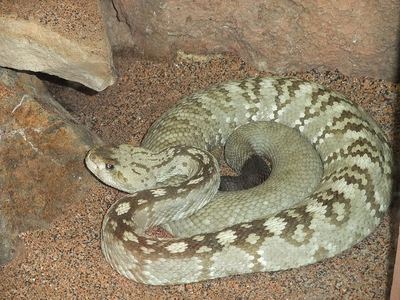
Tiger rattlesnake (Crotalus tigris)
The tiger rattlesnake is a venomous pit viper in the family Viperidae. GBIF holds 337 licensed U.S. records of it; it reaches our listing threshold in 1 state, most of all Arizona (335). Its observation records peak in August.
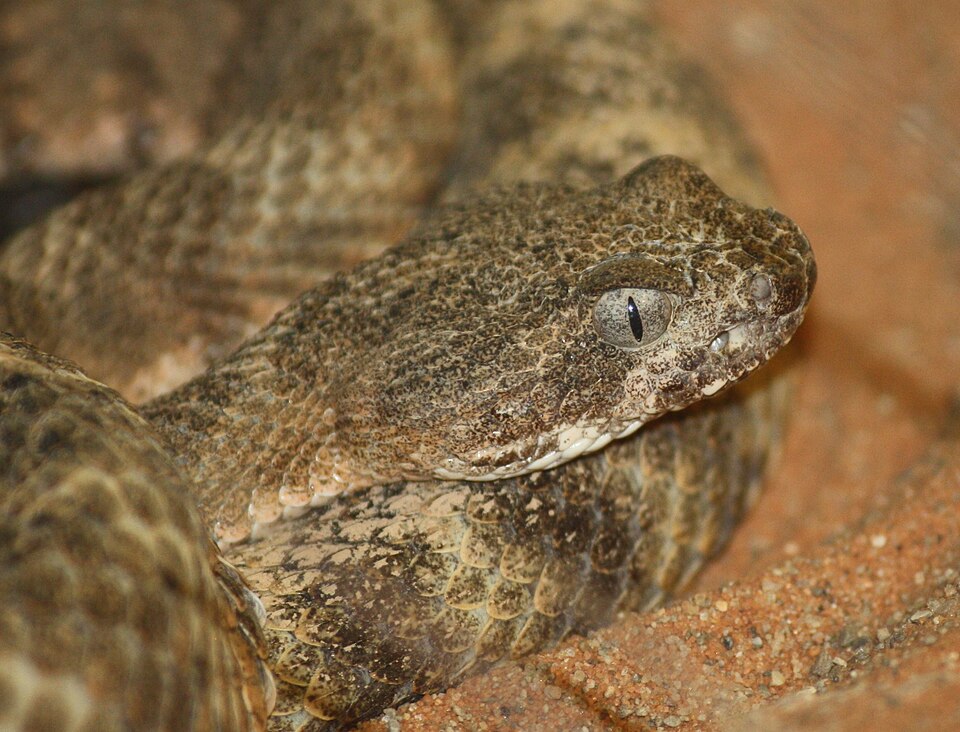

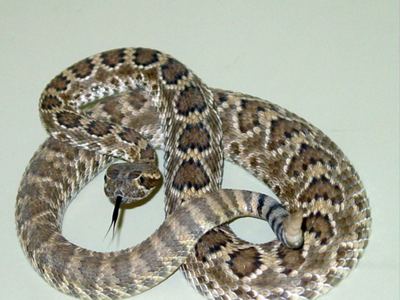
The tiger rattlesnake (Crotalus tigris) is a highly venomous pit viper species found in the southwestern United States and northwestern Mexico. No subspecies are currently recognized. The specific name tigris, (Latin for 'tiger'), refers to the many narrow dorsal crossbands, which create a pattern of vertical stripes when viewed from the side.
From Wikipedia: Tiger rattlesnake, text under CC BY-SA 4.0.
Is the tiger rattlesnake poisonous or venomous?
Yes. The tiger rattlesnake is a pit viper (family Viperidae), like every rattlesnake, copperhead and cottonmouth in the U.S. Its bite needs emergency care: call 911 and keep the bitten limb still. Antivenom is given in hospital.
Snakes often mistaken for it
Species commonly confused with rattlesnakes and recorded in the same states: gopher snake (recorded in the same state) and plains hog-nosed snake (recorded in the same state).
Which states have the tiger rattlesnake?
All listed records come from a single state, Arizona, with 335 records.
| # | State | Records | Share of state snakes | Rank in state |
|---|---|---|---|---|
| 1 | Arizona | 335 | 1.6% | 20th of 60 |
When is the tiger rattlesnake seen?
Across the U.S., observation records of the tiger rattlesnake run mostly May through September, peaking in August with 56% of them. Almost none are from December to February.
How recent are the tiger rattlesnake records?
The tiger rattlesnake record leans on older material: only 33% of dated U.S. records come from 2017–2026, and the median record is from 2002. The oldest dated record is from 1912; the busiest year was 2024, with 12 records.
| Decade | Records | Share |
|---|---|---|
| 1910s | 1 | 0.5% |
| 1920s | 5 | 2.7% |
| 1930s | 9 | 4.9% |
| 1940s | 2 | 1.1% |
| 1950s | 9 | 4.9% |
| 1960s | 21 | 11.4% |
| 1970s | 17 | 9.2% |
| 1980s | 13 | 7.1% |
| 1990s | 5 | 2.7% |
| 2000s | 26 | 14.1% |
| 2010s | 31 | 16.8% |
| 2020s | 45 | 24.5% |
Species recorded in the same counties
Of the 7 counties where the tiger rattlesnake is most recorded, 7 are also top counties for each of the eight snakes in the table below; no other snake shares more.
| Species | Shared counties |
|---|---|
| Black-tailed rattlesnake venomous | 7 |
| Blackneck garter snake | 7 |
| California kingsnake | 7 |
| Coachwhip | 7 |
| Glossy snake | 7 |
| Gopher snake | 7 |
| Long-nosed snake | 7 |
| Mohave rattlesnake venomous | 7 |
Related species in the U.S.
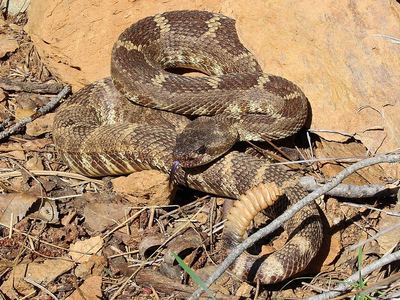
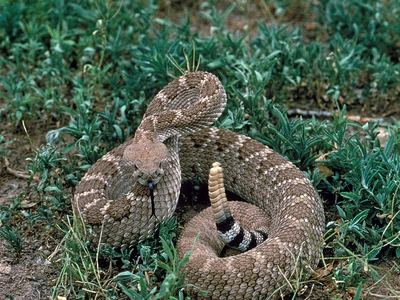
Other species of the genus Crotalus with profiles here: Western rattlesnake, Western diamondback rattlesnake, Prairie rattlesnake, Sidewinder, Timber rattlesnake, Mohave rattlesnake, Red diamond rattlesnake and Black-tailed rattlesnake.
GBIF records read 2026-09-29. Listed: any license. Counted: CC0/CC BY only. How we count.